
How a Home Battery System Can Lower Your Electric Bill?
Home Battery System
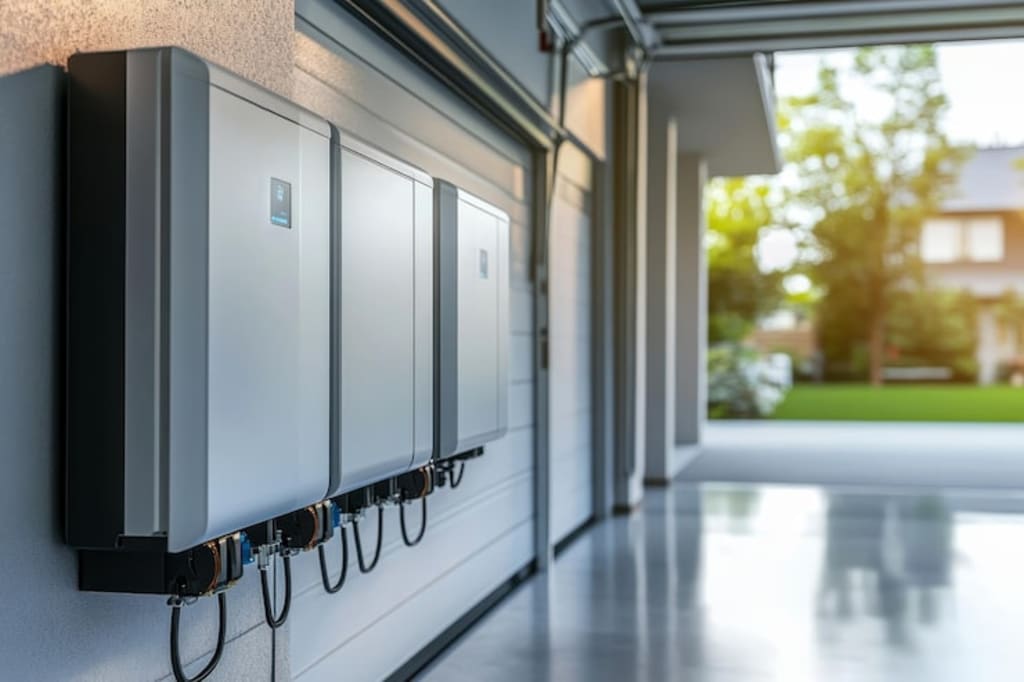
A home battery system is no longer just a futuristic concept—it’s a practical solution for households seeking energy independence and significant electricity cost savings. By storing power when rates are low and using it during peak hours, a home battery system can help reduce monthly bills while increasing resilience against power outages.
In this guide, we’ll explore exactly how a home battery system works, why it’s cost-effective, and how you can maximize savings with the right setup.
Understanding How a Home Battery System Works
A home battery system stores electrical energy—often generated from solar panels or the grid—so you can use it when you need it most. During off-peak hours, when electricity prices are lower, your system charges. During peak demand times, when rates are higher, it discharges stored energy to power your home.
Key components include:
- Battery Unit – The core storage device, usually lithium-ion or lithium iron phosphate.
- Inverter – Converts stored DC power into AC power for home use.
- Energy Management Software – Optimizes charging and discharging for cost efficiency.
Reduce Peak-Hour Electricity Costs
Electricity rates often vary throughout the day. Utilities charge more during peak demand hours, usually in the late afternoon and early evening. A home battery system allows you to:
- Charge during off-peak hours when rates are low.
- Discharge during peak hours to avoid high rates.
For example, if off-peak rates are $0.10/kWh and peak rates are $0.30/kWh, using stored power during peak times could cut your electricity costs by more than 50% during those hours.
Pairing with Solar for Maximum Savings
When combined with solar panels, a home battery system becomes even more cost-effective. Here’s why:
- Store Excess Solar Energy – Instead of sending unused solar power back to the grid for a small credit, store it for nighttime use.
- Avoid Grid Dependence – Reduce reliance on expensive utility power.
- Maximize Self-Consumption – Keep more of your generated energy instead of losing value through net metering.
This synergy allows solar homeowners to cut their electric bills by 70–100%, depending on system size and energy habits.
Protection Against Power Outages
While lowering your electric bill is the main goal, a home battery system also acts as a backup power source. During outages, the battery automatically switches to power essential appliances—refrigerators, lighting, Wi-Fi, medical equipment—without the noise and fuel requirements of a generator.
This added energy security means you’re protected during blackouts without extra utility costs.
Time-of-Use (TOU) Rate Optimization
Many utilities use Time-of-Use rate plans, where electricity costs vary based on the time of day. Home batteries are perfect for TOU customers because they allow for energy arbitrage:
- Charge during the cheapest time of day.
- Use stored energy during the most expensive time of day.
By strategically cycling your battery, you can save hundreds of dollars annually—without changing your lifestyle.
Reducing Demand Charges for Larger Homes
In some areas, customers—especially those with high-energy homes or businesses—face demand charges based on the highest amount of power drawn during a billing period.
A home battery system can shave peak demand, ensuring that large appliances don’t all spike usage at the same time. This lowers the demand charge portion of your bill, which can be substantial in some markets.
Environmental and Financial Benefits
A home battery system doesn’t just save money—it’s also eco-friendly. By using stored renewable energy instead of fossil-fuel-generated grid power, you reduce your household’s carbon footprint.
Benefits include:
- Lower monthly utility bills.
- Increased home value.
- Contribution to a cleaner energy grid.
Some homeowners even qualify for federal tax credits, state incentives, or rebates—making installation costs more affordable.
Choosing the Right Home Battery System
When selecting a system, consider:
- Capacity (kWh) – The total amount of energy it can store.
- Power Rating (kW) – How much electricity it can deliver at once.
- Cycle Life – How many charge/discharge cycles it can handle.
- Warranty – Typically ranges from 10–15 years.
- Integration with Solar – Ensure compatibility for maximum efficiency.
Popular systems include Tesla Powerwall, LG Chem RESU, and Enphase IQ Battery, but the right choice depends on your household’s unique energy usage and goals.
Maximizing Your Savings with a Home Battery System
To get the most out of your investment:
- Monitor Your Usage – Use smart apps to track consumption and optimize charge/discharge times.
- Combine with Energy Efficiency Upgrades – LED lighting, smart thermostats, and efficient appliances further reduce bills.
- Leverage Incentives – Research local and federal incentives to lower installation costs.
- Schedule Maintenance – Keep your system running efficiently for years to come.
Final Thoughts
A home battery system is a powerful tool for lowering your electric bill while improving energy independence and resilience. By charging during off-peak times, storing solar power, and reducing demand charges, you can save money every month—while also contributing to a cleaner, more sustainable future.
If you’re ready to take control of your electricity costs and future-proof your home’s energy system, investing in a home battery system could be the smartest decision you make this year.
About the Creator
Enjoyed the story? Support the Creator.
Subscribe for free to receive all their stories in your feed.
Comments
There are no comments for this story
Be the first to respond and start the conversation.