
Hopping into Toon Time: The Enchanting World of Rabbit Cartoons
Bunny Bonanza: Exploring the Enchanting World of Rabbit Cartoons

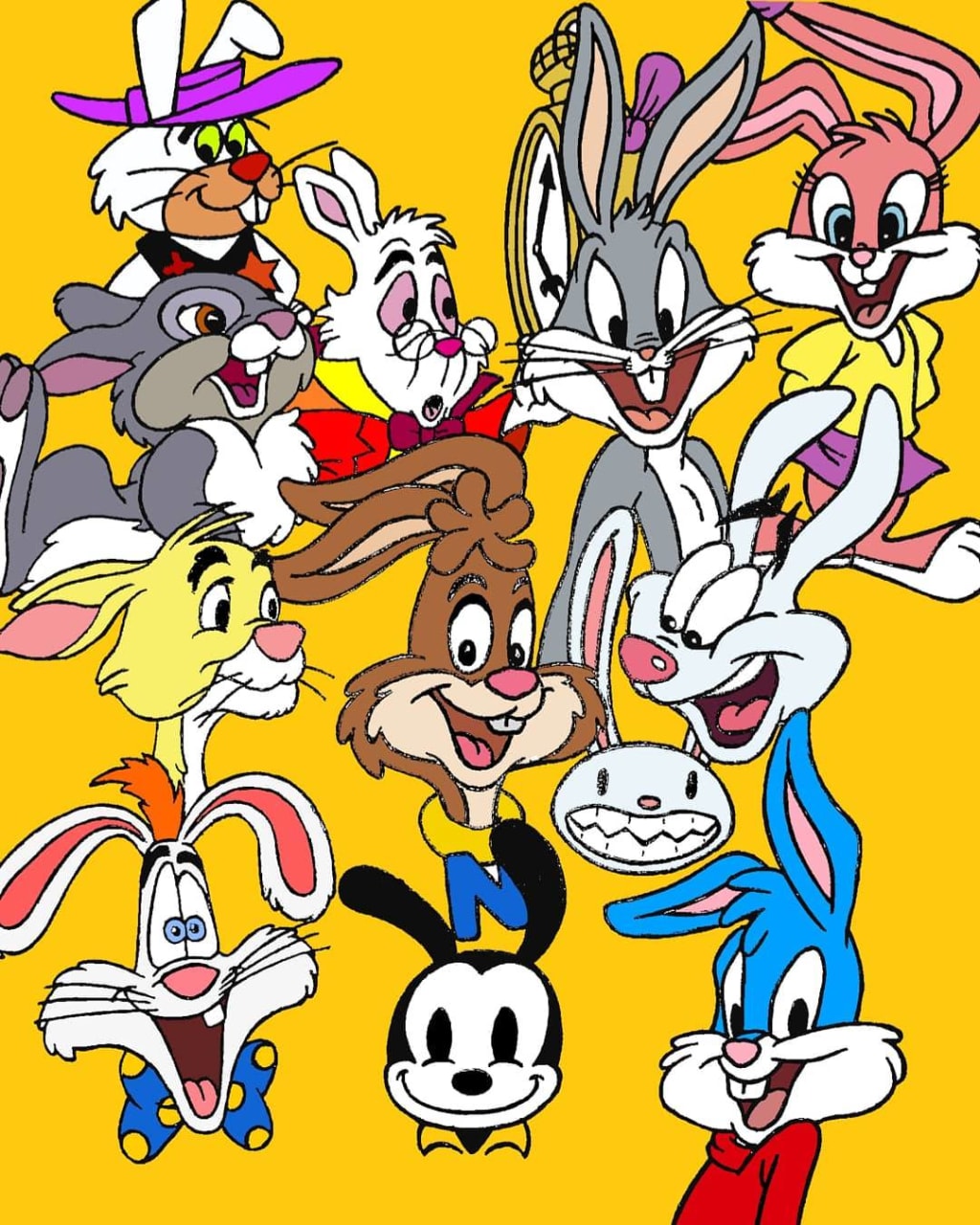
Bunny Bonanza: Exploring the Enchanting World of Rabbit Cartoons
Rabbit cartoons, a delightful and timeless subject that has enthralled audiences for generations. These whimsical creations have left an indelible mark on the world of animation, captivating viewers with their vibrant characters and engaging narratives. In this exploration, we delve into the enduring charm and universal appeal of rabbit cartoons.
A Stroll Down Memory Lane
The history of rabbit cartoons traces its roots back to the early 20th century, a time when animated shorts began to capture the imagination of audiences worldwide. It was during this era that the iconic Bugs Bunny made his debut, forever cementing rabbits as beloved cartoon characters.
The Endearing Charm of Bugs Bunny
Bugs Bunny, the mischievous trickster with a quick wit, won the hearts of audiences around the globe. His catchphrases, like "What's up, doc?" have become ingrained in popular culture, solidifying his status as the quintessential rabbit cartoon character.
The Allure of Rabbit Characters
Rabbits in cartoons possess an inherent cuteness that can warm even the iciest of hearts. Their twitching noses and perky ears evoke feelings of warmth and innocence, resonating deeply within us. These fluffy creatures often mirror our desires for exploration and adventure, captivating us with their playful and curious nature. Moreover, their agility and speed make them ideal protagonists for thrilling chase sequences that keep us on the edge of our seats.
The Enduring Popularity: A Hare-Raising Phenomenon
The Universal Appeal
What makes rabbit cartoons stand the test of time? Their versatility and relatability set them apart. Regardless of one's cultural background or language, the adorable antics and mischievous escapades of rabbit characters transcend boundaries. From bustling urban settings to serene rural landscapes, people of all ages and backgrounds find solace and joy in the adventures of rabbit characters.
Embodying Human Qualities
Rabbits often symbolize qualities that resonate deeply with human emotions. Their courage inspires bravery, their resilience instills hope, and their playful nature reminds us to cherish life's simple joys. Rabbit cartoons have an exceptional ability to tap into our emotions, eliciting laughter and tears as we vicariously experience their triumphs and setbacks. These delightful creatures have carved a special place in animation history through their enduring popularity.
Bugs Bunny: The Undisputed King of Rabbit Cartoons
The Evolution of Bugs Bunny
Bugs Bunny, the epitome of hare-raising hilarity, was created in 1940 by Tex Avery. He started as a secondary character but quickly stole the spotlight, becoming a cultural phenomenon. Over the years, Bugs evolved into a clever and quick-witted icon, marked by his nonchalant attitude, sly humor, and unmistakable Brooklyn accent.
Memorable Catchphrases and Personality Traits
Bugs Bunny's catchphrases, such as "What's up Doc?" are instantly recognizable and embedded in popular culture. Beyond catchphrases, his personality sets him apart. He epitomizes resilience, effortlessly outsmarting adversaries like Yosemite Sam or Elmer Fudd. His confidence and coolness under pressure make him the ultimate trickster, encouraging viewers never to give up.
Influence on Other Rabbit Characters
Bugs Bunny's influence on rabbit characters in cartoons is immeasurable. He set the standard for storytelling and characterization, inspiring countless animators to follow in his furry footsteps. His impact extends beyond animation, reaching television shows, commercials, and even video games. Bugs Bunny's cultural significance goes beyond entertainment; it's woven into our pop culture fabric.
Thumper: The Lovable Sidekick from "Bambi"
Thumper's Endearing Characteristics
Thumper, the lovable cottontail bunny from Disney's "Bambi," added sweetness to the narrative with his playful nature, innocent charm, and infectious giggle. His role as Bambi's best friend provided comic relief while imparting valuable life lessons about friendship, kindness, and resilience.
Impact on Audience's Perception
Thumper's presence in "Bambi" transformed the way audiences perceived rabbits in cartoons. Previously depicted as mischievous tricksters, Thumper showcased a more gentle and nurturing side of rabbit characters. Viewers were reminded that rabbits could display warmth and compassion, opening up new perspectives on animated rabbit portrayals.
Lesser-Known Rabbit Cartoons
Oswald the Lucky Rabbit: Walt Disney's First Success
Amidst the world of rabbit-themed cartoons, Oswald the Lucky Rabbit shines as a hidden gem of animation history. Created by Walt Disney and Ub Iwerks in 1927, Oswald quickly gained popularity with his mischievous charm and lively personality.
Origins and Early Success
Oswald's journey began with silent films that showcased his amusing adventures, making him one of the most beloved animated characters of his time. However, a contractual dispute led to Disney losing the rights to Oswald, ultimately paving the way for Mickey Mouse's creation.
Rediscovery and Revival
In recent years, Oswald's resurgence has been heartwarming. The Walt Disney Company reclaimed ownership in 2006, reintroducing this classic character through video games and merchandise. Oswald may not have reached the same recognition as Mickey Mouse or Bugs Bunny, but his revival reminds us not to forget the heroes of animation history.
Roger Rabbit: The Groundbreaking Blend of Animation and Live-Action
"Who Framed Roger Rabbit": A Game-Changer
In the late 1980s, "Who Framed Roger Rabbit" pushed the boundaries of filmmaking with its groundbreaking fusion of animation and live-action. Directed by Robert Zemeckis and produced by Steven Spielberg, the film introduced a world where animated characters coexist with humans.
Roger Rabbit's Impact
Roger Rabbit revolutionized both filmmaking techniques and the animation industry. It inspired animators to explore new creative possibilities, leading to future collaborations between animated characters and human actors in films like "Space Jam" and "Mary Poppins Returns." Roger's clever humor and intricate storylines made cartoons appealing to both children and adults, leaving an indelible mark on animation history.
Anthropomorphic Rabbits in Japanese Anime
Exploring Anime Characters
In Japanese anime, anthropomorphic rabbits have found a special place in our hearts. Characters like Usagi Tsukino from "Sailor Moon" embody innocence, vulnerability, and determination, captivating audiences with their charming clumsiness and unwavering devotion.
Cultural Significance
In Japan, rabbits symbolize luck, fertility, and prosperity, reflecting a desire for positive outcomes. They also represent hidden strength and resilience, reminding us that seemingly fragile beings can display remarkable determination in the face of challenges.
Rabbits as Tricksters in Folklore
Iconic Tricksters
Mischievous rabbits have captivated readers and audiences through folklore. Brer Rabbit from African-American folklore, known for his cunning wit, stands as an iconic trickster. His stories entertain and teach valuable lessons about the consequences of arrogance and the power of intelligence.
Modern-Day Portrayals
Modern-day cartoons continue to embrace the trickster archetype through rabbit characters like Bugs Bunny, who use quick thinking and clever antics to outwit their foes. These portrayals entertain and inspire viewers to embrace their resourcefulness in navigating life's challenges.
About the Creator
jennifer
I am new to vlogging but have many interests and love to blog and write articles i have many interests as well but to many to list here for now,.
Enjoyed the story? Support the Creator.
Subscribe for free to receive all their stories in your feed.
Comments
There are no comments for this story
Be the first to respond and start the conversation.