
Hong Kong Restaurants Are Closing. Shenzhen Didn’t Kill Them.
The border run is a symptom. The service is the problem.
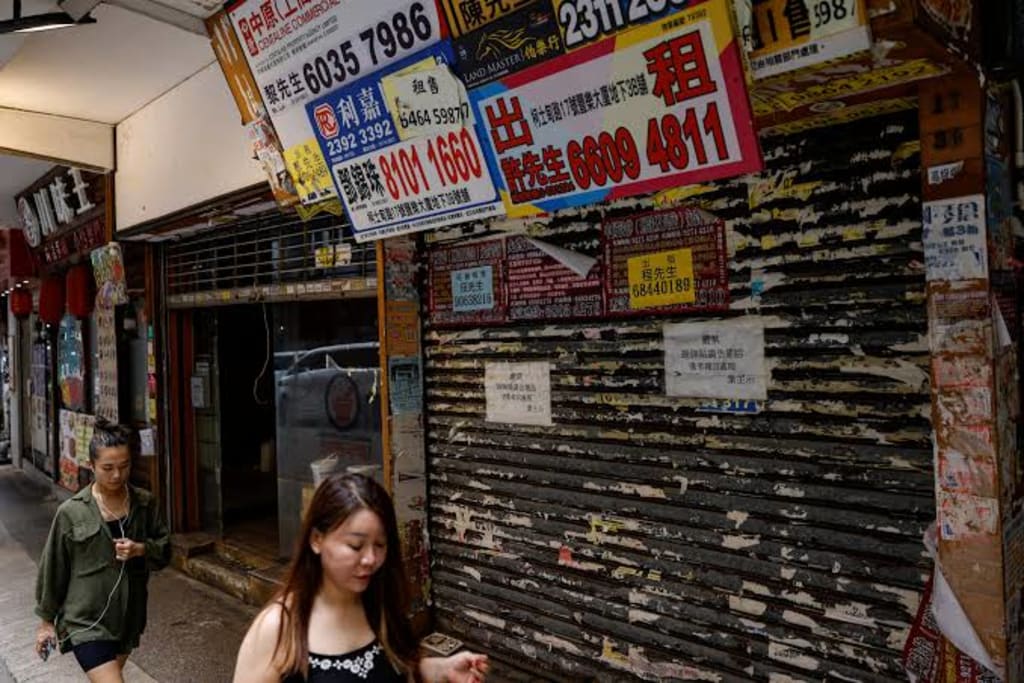
The closures are no longer scattered. Lei Garden in Mong Kok, open for forty-six years and once awarded two Michelin stars, has shut. Hoi Wong Congee, a name in Hong Kong for thirty-three years, has closed. Pizza Box, a local chain that ran for twenty-three years, has left the market. In the first eight months of this year, more than twenty-eight traditional Cantonese restaurants closed, and over a hundred Chinese restaurants are in trouble.
The easy explanation is Shenzhen. Hongkongers go north, spend money there, and local restaurants lose. That explanation protects the industry from a harder question. The border queue answers it.
Hongkongers are going north. On weekends, Shenzhen malls fill with Hong Kong visitors. They eat, shop, get massages, see dentists, and book health checks. The trip costs time and money. People still go. Eating in Hong Kong has picked up costs that do not show on the menu: cold service, rushed meals, unclear prices, and the feeling that the customer is an inconvenience.
Shenzhen restaurants are not all good. Some serve pre-made food. Some are overpriced. Some have bad service. But the basic contract is usually there. Someone greets you. Someone takes you to a table. The menu has prices. If a dish is wrong, you can send it back. Rice and tea get refilled. Nobody rushes you out after forty-five minutes. Small things, repeated often.
Hong Kong restaurants once sold speed, price, and consistency. Cha chaan tengs, roast meat shops, and congee stalls served working people. They were neighborhood businesses. They lived on repeat customers. Some operators later mistook the tourist boom and the financial-center crowd for permanent assets. They acted as if the Hong Kong sign alone justified the bill. The sign does not cook or serve, and it does not bring a customer back.
The service problem shows up at the door. A staff member looks you up and down and barks, “How many?” Then, “Stand aside. Don’t block the entrance.” You have not sat down, and you already feel unwanted. The booth is narrow. The table has water marks from the last customer. The floor is greasy. You squeeze in and wait.
The menu arrives. You read for five seconds. The waiter sighs, taps his foot, and gives you a look that says you are wasting his time. If you have not chosen, he walks away: “Call me when you’re ready.” You ask about portion size or ingredients. He mutters in Cantonese and says, “Don’t ask so much. The chef knows.”
The bill adds its own joke. You do the table work yourself. Then a ten percent service charge appears. The wonton noodles promise three shrimp and deliver two and a half. The rice dish is mostly rice. The seafood congee is mostly congee. The claypot rice has three transparent slices of bacon and sells for sixty or seventy dollars. Seafood has no price, only “market price.” Ask too late, and one fish can cost a week’s salary. Question it, and the reply is, “This is how we do it. You should have asked.”
The time limit finishes the job. At lunch, forty-five minutes after you order, someone asks when you will finish. The bill lands on the table before you ask for it. At the next table, an old man is still eating when his plates are cleared. Lunch becomes a race. You swallow, pay, and leave with a bad mood.
The habit repeats across the industry. One rude waiter alone would not explain it. Customers notice. They compare. They cross the border and find a different set of expectations. They find a greeting, a clear menu, a refill, and no one hovering with the bill. They come back.
Some owners blame Shenzhen, Taobao, rent, and the times. They blame everyone except the person who set the service standard. Years ago, a Hong Kong umbrella shop closed and the owner blamed Taobao. The “shop” was a stall selling cheap umbrellas piled like scrap, dozens of dollars each. That was not neighborhood service. That was a markup with a story.
The trouble will not stop at restaurants. Hongkongers already go north for shopping, massages, dental work, and medical checks. The logic holds. When local service and price stop matching, customers leave. Finance has support and will not be allowed to collapse. Other sectors do not have that protection. Restaurants, retail, and services will keep losing customers until they change how they treat them.
Shenzhen is the excuse. Hong Kong is the explanation. Restaurants sell food. They also sell how they treat the person eating it. A customer who feels cheated does not come back. A customer who feels respected does. The market does not care about nostalgia.
About the Creator
Jin
Writer of reamstories
https://reamstories.com/jin
Enjoyed the story? Support the Creator.
Subscribe for free to receive all their stories in your feed. You could also become a paid subscriber, letting them know you appreciate their work.
Comments
There are no comments for this story
Be the first to respond and start the conversation.