
Home Furniture Market Signals a New Era of Living Spaces
Global Home Furniture Momentum Reshapes Everyday Homes
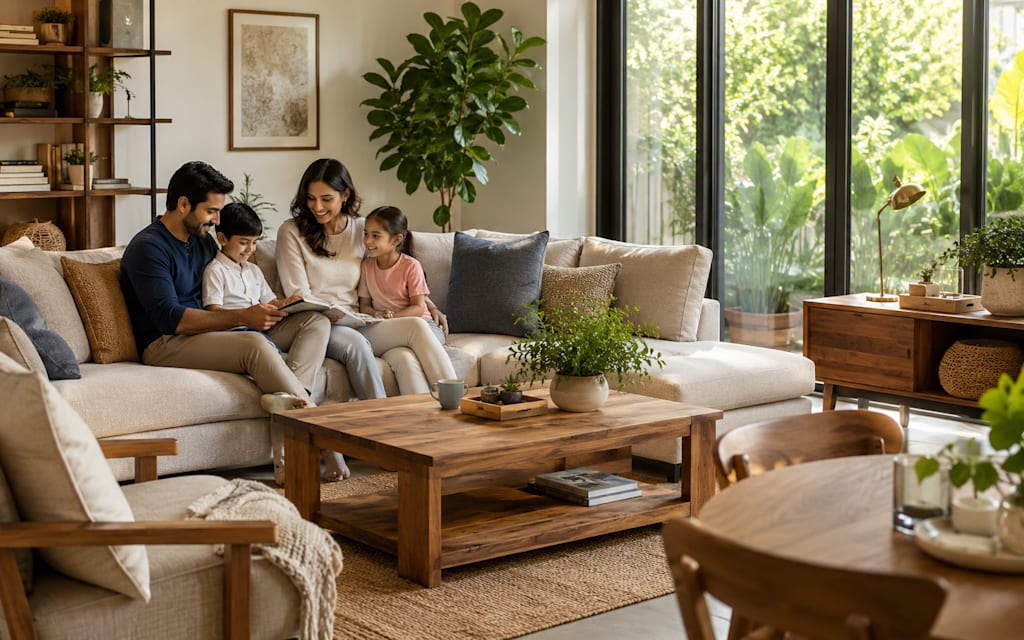
The front door clicks open after a long day. Shoes are kicked aside, bags are dropped, and the familiar comfort of home takes over. Yet something feels different. The dining table has become a workspace. The couch doubles as a movie theater seat. A quiet reading corner now serves as a personal retreat from a noisy world.
Across continents, people are redefining what home means, and furniture sits at the center of that transformation.
The spaces we live in have become more than places to sleep and store belongings. They have become reflections of identity, lifestyle, and personal well-being. As households evolve, so do the choices people make about the objects that surround them every day.
The global home furniture market is experiencing steady expansion as consumers increasingly invest in creating spaces that blend comfort, functionality, and style.
According to Mordor Intelligence, the home furniture market size is expected to grow from USD 508.59 billion in 2025 to USD 529.39 billion in 2026 and is forecast to reach USD 646.86 billion by 2031, at a CAGR of 4.09% during 2026–2031.
Homes Are Becoming Personal Ecosystems
A generation ago, furniture purchases often revolved around necessity. A sofa was simply a sofa. A dining table existed primarily for meals. Today, consumers expect much more from every piece they bring into their homes.
The rise of flexible lifestyles has encouraged homeowners and renters alike to seek furniture that serves multiple purposes. Pieces are expected to adapt to changing needs while still expressing personal taste.
This shift has influenced the broader home furniture industry, where design priorities increasingly center on versatility, durability, and emotional connection. Consumers are no longer looking solely for products; they are searching for experiences that enhance daily life.
Social media has amplified this behavior. Carefully curated interiors, minimalist aesthetics, cozy reading nooks, and functional home offices inspire millions of users each day. As visual inspiration becomes more accessible, people gain confidence in transforming ordinary spaces into highly personalized environments.
Urban living has also contributed to this movement. Smaller apartments and compact homes encourage creative furniture choices that maximize available space without sacrificing comfort. Consumers appreciate pieces that balance practicality with design appeal, helping them make the most of every square foot.
Furniture has evolved from a background necessity into a central component of modern living.
Consumer Preferences Continue Shaping Competitive Landscapes
Furniture decisions increasingly reflect broader lifestyle values. Sustainability, craftsmanship, comfort, and personalization influence purchasing behavior across diverse demographic groups.
These changing preferences play a significant role in determining home furniture market share among brands and manufacturers seeking to connect with modern consumers. Companies that successfully align with evolving expectations often gain stronger customer loyalty and long-term relevance.
Digital shopping experiences have further accelerated market activity. Consumers can compare styles, visualize room layouts, read reviews, and explore customization options from virtually anywhere. This convenience has expanded access to furniture choices while encouraging more informed purchasing decisions.
At the same time, consumers remain highly selective. They seek products that offer lasting value rather than short-term appeal. Furniture is increasingly viewed as an investment in daily quality of life, influencing buying decisions across income levels and regions.
The emotional component cannot be ignored either. People associate furniture with memories, milestones, and personal stories. A dining table hosts celebrations. A favorite chair becomes a place for reflection. A bedroom set creates a sense of security and comfort.
These emotional connections continue driving demand as consumers prioritize environments that support both physical and mental well-being.
Design Innovation Drives Long-Term Market Evolution
The future of furniture appears closely linked to lifestyle adaptability. As living patterns continue changing, manufacturers and retailers are responding with products that accommodate diverse needs and preferences.
Current home furniture market trends reveal growing interest in contemporary aesthetics, multifunctional solutions, natural materials, and personalized design experiences. Consumers increasingly favour furniture that seamlessly integrates into dynamic living environments while maintaining visual appeal.
Technology is also influencing product development. Digital visualization tools, virtual showrooms, and enhanced online purchasing experiences help bridge the gap between inspiration and ownership. These innovations make furniture shopping more accessible and engaging than ever before.
Meanwhile, the expanding home furniture market size reflects the continued importance of residential investment worldwide. Whether driven by renovation projects, new household formation, lifestyle upgrades, or changing design preferences, demand remains supported by a universal desire to create comfortable and meaningful living spaces.
As homes continue evolving into multifunctional hubs for work, relaxation, entertainment, and connection, furniture will remain a defining element of daily life.
The next great transformation in living spaces may not begin with architecture or technology. It may begin with something much simpler—a chair, a table, a sofa, or a carefully chosen piece that helps turn a house into a home.
What is the one piece of furniture in your home that carries the most meaning, and what story does it tell about your life?
About the Creator
Enjoyed the story? Support the Creator.
Subscribe for free to receive all their stories in your feed.
Comments
There are no comments for this story
Be the first to respond and start the conversation.