
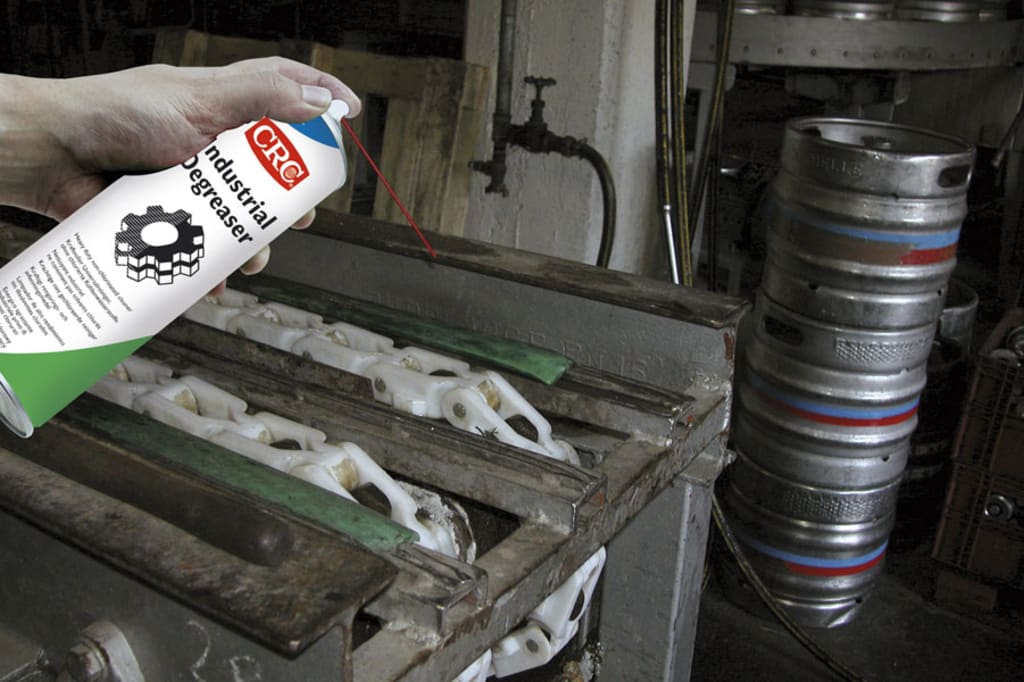
high-performance degreaser specifically formulated for industrial machinery
specifically formulated for industrial machinery
In industrial environments, cleanliness isn’t just about aesthetics but performance, safety, and compliance.
From factories and warehouses to transportation fleets and heavy-duty workshops, using the right industrial cleaning product is essential for maintaining equipment, keeping workspaces safe, and ensuring smooth operations.
Yet, many companies unknowingly rely on products that are either ineffective or incompatible with their cleaning needs. This leads to wasted time, damaged surfaces, and poor cleaning results.
In this article, we’ll explore five clear signs you’re using the wrong cleaner—and how to find a better fit.
1. Surfaces Stay Greasy, Slippery, Or Sticky After Cleaning
One of the most obvious signs of an underperforming cleaner is residue that just won’t go away. If your team has already scrubbed a surface, but it still feels greasy, slippery, or tacky, your cleaning solution may lack the right degreasing strength.
Why This Happens:
The product isn’t designed to break down oil or petroleum-based grime
It may be over-diluted or not left on long enough to activate
You're using a household-grade product for a heavy-duty job
The Fix:
Use a high-performance degreaser specifically formulated for industrial machinery, parts, and work surfaces. These degreasers typically feature solvent or alkaline bases that cut through grime without damaging the material underneath. For high-volume needs, chemical applicators can improve coverage and reduce waste.
2. Streaks, Clouding, Or White Residue Are Left Behind
After cleaning, you should see clear, polished surfaces—not streaks, cloudiness, or dried residue. If you notice any of these, it could mean:
The cleaner is leaving too much soap or chemical behind
It contains ingredients that react poorly with the surface
It's being used with hard water, causing deposits
What To Do:
Opt for a low-residue or rinse-free industrial cleaner, especially when working with glass, plastic, or polished metal. These formulas are specifically designed to evaporate cleanly or wipe off easily, reducing downtime and rework.
3. Employees Report Strong Odours, Irritation, Or Sensitivity
If staff consistently complain about burning eyes, sore throats, headaches, or skin irritation, the culprit might be your cleaning product. Many industrial cleaners contain volatile organic compounds (VOCs) or harsh solvents that aren’t safe for prolonged exposure, especially in enclosed spaces.
Potential Risks:
Respiratory distress and allergic reactions
Non-compliance with workplace safety regulations (e.g., WHMIS in Canada, OSHA in the U.S.)
Increased absenteeism and low morale
Safer Solutions:
Modern industrial cleaners come in low-odour, low-VOC, and biodegradable formulas that offer powerful performance with fewer health risks.
If your operation involves confined or poorly ventilated areas, these are a must. Also, consider using automated sprayers or dilution systems to minimize manual exposure.
4. Cleaning Takes Too Long Or Requires Repeated Effort
If it feels like cleaning is becoming a full-time job—or your team has to scrub the same spots repeatedly—it’s a sign the product isn’t effective. Not only does this impact efficiency, but it also drains time, energy, and resources.
Real-World Impact:
Higher labour costs due to slow cleaning cycles
Product waste from repeated applications
Frustrated teams working with low-quality tools
The Smart Move:
Switch to task-specific cleaners. For example:
Use foaming degreasers for vertical surfaces where dwell time matters
Try enzyme-based cleaners in food or organic waste environments
Apply alkaline cleaners for oily, carbon-rich grime in manufacturing plants
Matching product to problem = faster, cleaner results.
5. Long-Term Surface Damage Starts Appearing
If your equipment, floors, or work surfaces are showing signs of wear—fading, rusting, pitting, or peeling—you might be using a product with the wrong pH or chemical composition. Over time, even small incompatibilities can lead to serious damage.
Costly Consequences:
Paint peeling from walls or equipment
Corroded metal tools or components
Rubber seals are cracking or becoming brittle
Coatings wearing off prematurely
Prevent The Damage:
Read product labels and Material Safety Data Sheets (MSDS) to ensure compatibility. Choose neutral ph or mildly alkaline cleaners for painted, coated, or sensitive surfaces. When in doubt, test in a small area first, or consult with an industrial cleaning supplier who offers tailored solutions.
Bonus: When To Customize Your Cleaning Approach
Sometimes, even the best off-the-shelf cleaner won’t cut it, especially if your facility handles:
Mixed-material machinery
Sensitive electronics or optical equipment
High-risk biological or chemical waste
In these cases, a custom industrial cleaner designed for your specific needs may be the most efficient and safest option.
Many businesses rely on reputable Canadian suppliers of industrial cleaning solutions to get expert advice and the right product match for their environment.
Quick Checklist: Signs You Need A New Cleaner
Surfaces remain greasy or slippery
Visible streaks or residue after cleaning
Employees report discomfort or irritation
The cleaning process is slow and repetitive
Surfaces show signs of wear or damage
If you checked even one of these boxes, it might be time to rethink what you’re using—and how you’re using it.
Final Thoughts: Clean With Confidence
Choosing the right industrial cleaning product isn’t just about wiping away dirt—it’s about maximizing productivity, protecting surfaces, keeping workers safe, and complying with regulations.
The wrong cleaner costs you more in the long run through wasted effort, equipment damage, and potential health risks.
Take the time to assess your current cleaning routine. Explore task-specific solutions that align with your environment, materials, and safety standards. When in doubt, don’t hesitate to consult a trusted supplier who can help you find the right fit for the job.
About the Creator
Enjoyed the story? Support the Creator.
Subscribe for free to receive all their stories in your feed.
Comments
There are no comments for this story
Be the first to respond and start the conversation.