
Hempcrete Manufacturing Plant Feasibility Report: A Comprehensive Overview
The building industry is undergoing a profound transformation, propelled by the escalating demand for sustainable, energy-efficient, and environmentally conscious construction materials.

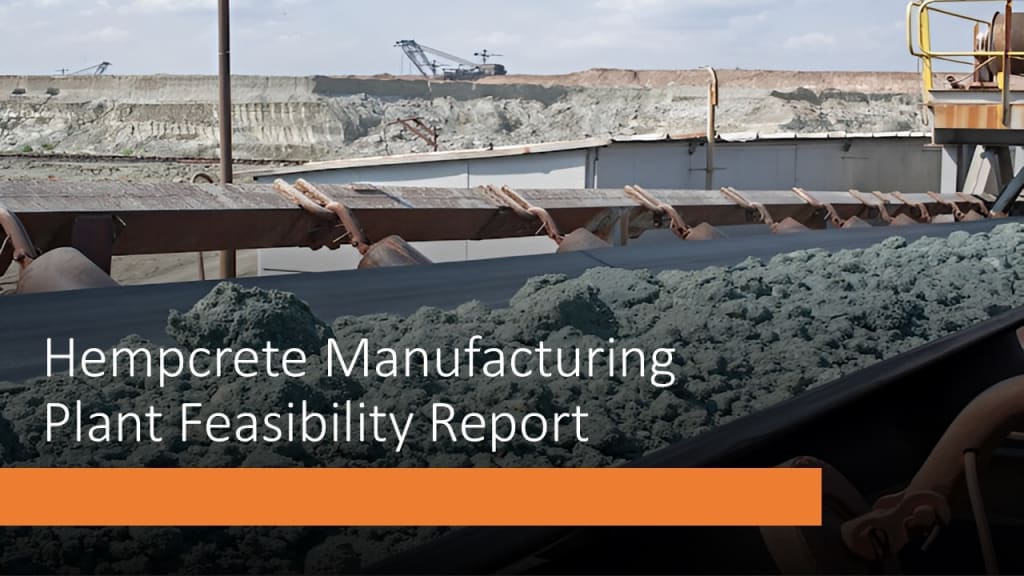
As the demand for sustainable, energy-efficient, and environmentally conscious construction materials grows, the building industry is undergoing a major transformation. At the forefront of this shift is hempcrete—a biocomposite material that offers a sustainable alternative to conventional construction practices. Made by blending the woody inner core of the hemp plant (known as hemp hurd) with lime-based binders and water, hempcrete is known for its excellent insulation capabilities, effective moisture control, and ability to sequester carbon, positioning it as a key player in the future of green building.
The hempcrete manufacturing plant feasibility report presents a comprehensive and professional assessment of the viability of launching a hempcrete production facility. Aimed at investors, entrepreneurs, and key industry players, it delivers an in-depth exploration of the strategic, financial, and operational aspects crucial to entering this rapidly growing market. From analyzing industry trends and outlining manufacturing procedures to detailing cost structures, the report provides a clear, well-informed roadmap for those considering a venture into hempcrete manufacturing.
1. Understanding Hempcrete: The Sustainable Building Solution
Hempcrete is widely recognized for its distinctive qualities that directly respond to modern construction challenges. Its advantages go well beyond thermal insulation, offering strong fire and pest resistance as well as the ability to maintain balanced indoor humidity—factors that collectively support healthier indoor environments. Notably, hempcrete is a carbon-negative material, absorbing more carbon dioxide over its lifecycle than is released during its production and use, positioning it as a valuable asset in the fight against climate change. In this section, we will delve into the material’s composition, key characteristics, and its versatile applications in both new builds and retrofitting projects.
Request for a Sample Report: https://www.imarcgroup.com/hempcrete-manufacturing-plant-project-report/requestsample
2. Market Outlook: Growth in Green Construction
The demand for sustainable building materials is experiencing robust growth, propelled by increasing environmental awareness, stringent building codes, and rising energy costs. Governments globally are incentivizing green construction, while consumers and developers are increasingly prioritizing eco-friendly solutions. This market analysis will delve into:
• Global and Regional Market Trends: Identifying key drivers and growth projections within the sustainable construction sector.
• Target Applications: Exploring the primary uses for hempcrete, such as infill walls, insulation, and non-load-bearing structures in residential, commercial, and agricultural buildings.
• Competitive Landscape: Analyzing the position of hempcrete relative to other sustainable and conventional building materials, identifying market gaps and opportunities for market penetration.
• Regulatory Support: Highlighting policies and certifications that favor sustainable materials, bolstering hempcrete's market acceptance.
This analysis provides a strategic overview of the market potential, guiding product development and sales strategies.
3. The Hempcrete Manufacturing Process
Producing high-quality hempcrete involves precise mixing and formulation. While often mixed on-site for construction, a manufacturing plant focuses on producing pre-mixed dry bags, blocks, or even prefabricated panels, offering consistency and convenience. The typical process flow in a manufacturing facility includes:
• Raw Material Preparation: Ensuring hemp hurd is dry and free of contaminants, and binder components are accurately proportioned.
• Mixing: Industrial mixers combine the hemp hurd, binder, and any necessary additives in controlled conditions to achieve a homogeneous blend.
• Drying (for blocks/panels): If producing pre-cast blocks or panels, a controlled drying process is crucial to achieve stable moisture content.
• Curing: Allowing the material to cure properly to gain strength and durability.
• Packaging: Bagging dry mix, or packaging cured blocks/panels for shipment.
Emphasis will be placed on quality control at each stage to ensure product consistency and adherence to performance specifications.
4. Capital Investment: The Foundation of Your Venture
Establishing a hempcrete manufacturing plant requires a comprehensive initial capital outlay. This section details the major categories of expenditure required to bring the plant into operation.
Key components of the capital investment include:
• Land and Site Development: Costs associated with acquiring or leasing suitable land, site preparation, grading, and foundation work. This also covers the development of access roads and utility connections.
• Building and Civil Works: Expenses for constructing the factory building, dedicated areas for raw material storage, production lines, curing chambers (if applicable), quality control laboratories, finished product warehousing, administrative offices, and staff facilities.
• Machinery and Equipment Procurement: The substantial investment in specialized manufacturing machinery and ancillary equipment, which will be detailed in the subsequent section.
• Installation and Commissioning: Costs associated with transporting, installing, testing, and calibrating all machinery and systems to ensure they are fully operational and performing to specifications. This also includes initial trial runs and adjustments.
• Pre-operative Expenses: Essential expenditures incurred before commercial production commences, such as legal fees, permits and licenses, initial marketing and brand development, recruitment and initial training of staff, and pre-production raw material inventory.
• Contingency Fund: A vital allocation to cover unforeseen expenses or delays during the project development and initial operational phases, safeguarding against unexpected financial pressures.
Understanding these capital components is crucial for developing a realistic project budget and securing necessary financing.
5. Hempcrete Manufacturing Plant Machinery Cost
The machinery required for a hempcrete manufacturing plant represents a significant portion of the total capital investment. The specific equipment will depend on the scale of production and the final product form (dry mix bags, blocks, or panels).
Essential machinery typically includes:
• Hemp Hurdle Processing Equipment: This may involve shredders, sieves, and dust extraction systems to ensure the hemp hurd is of the correct size and purity for mixing.
• Binder Preparation Systems: Equipment for handling, storing, and accurately weighing the lime-based binders and other additives. This could include silos, conveyors, and dosing units.
• Industrial Mixers: High-capacity, robust mixers specifically designed for handling the fibrous nature of hemp hurd and ensuring uniform distribution of the binder. Different types may be suitable depending on batch size and desired consistency.
• Bagging and Packaging Machines: For automated filling, sealing, and labeling of dry hempcrete mix into bags for distribution.
• Moulding Equipment (for blocks/panels): If producing pre-cast blocks or panels, this includes specialized moulds, pressing equipment (if compaction is desired), and demoulding systems.
• Drying and Curing Chambers: Controlled environment chambers or progressive drying systems necessary for removing excess moisture from pre-cast products and ensuring proper curing. This often involves precise temperature and humidity control.
• Material Handling Systems: Conveyor belts, forklifts, palletizers, and automated guided vehicles (AGVs) to efficiently move raw materials, in-process materials, and finished products throughout the plant.
• Quality Control and Testing Equipment: Essential laboratory equipment for testing raw material quality, mix consistency, density, compressive strength, thermal performance, and moisture content of the finished products.
• Ancillary Equipment: This category includes dust collection systems, air compressors, water treatment units, and general workshop tools.
The selection of machinery directly influences production capacity, efficiency, and the quality of the final hempcrete product.
6. Operating Cost: Sustaining Production
Beyond the initial setup, understanding the ongoing operational expenses is critical for assessing the long-term viability and profitability of the hempcrete manufacturing plant. These costs are incurred regularly to keep the plant running.
Major components of the operating cost include:
• Raw Material Costs: The recurring expenditure on purchasing hemp hurd, lime binders, and any other additives. This is typically the largest variable cost.
• Utility Costs: Expenses for electricity (for machinery, lighting, and climate control), water (for mixing and general use), and potentially natural gas or other fuels for drying processes.
• Labor Costs: Salaries, wages, benefits, and related payroll taxes for all personnel, including production staff, quality control, maintenance, administration, and management.
• Maintenance and Repair: Regular expenses for servicing machinery, replacing worn parts, and addressing unexpected breakdowns to ensure continuous operation.
• Quality Control Expenses: Ongoing costs associated with laboratory testing, certifications, and maintaining quality assurance systems.
• Packaging and Logistics: Costs for packaging materials (bags, pallets, wraps) and transportation of finished products to distributors or construction sites.
• Administrative and Overhead Costs: Expenses for office supplies, insurance, security, communication, professional services (accounting, legal), and marketing activities.
• Depreciation: The non-cash expense representing the decrease in value of capital assets over their useful life.
• Environmental Compliance Costs: Ongoing costs associated with adhering to environmental regulations, including waste disposal and monitoring.
Effective management of these operating costs is key to maintaining competitive pricing and achieving healthy profit margins.
7. Site Selection & Infrastructure: Strategic Location
The choice of site significantly impacts logistical costs, access to raw materials, and distribution networks. Ideal locations often balance proximity to hemp cultivation areas with access to transportation infrastructure and target markets. This section will discuss:
• Land Requirements: Considerations for the size of the land parcel to accommodate production facilities, storage, and future expansion.
• Utility Access: Ensuring reliable and adequate access to power, water, and waste disposal systems.
• Logistical Advantages: Proximity to major roads, rail, or ports for efficient raw material inbound and finished product outbound transportation.
8. Raw Material Sourcing: Secure Supply Chain
A consistent and high-quality supply of hemp hurd and specialized binders is paramount. This section explores:
• Hemp Hurdle Supply: Strategies for sourcing decorticated hemp hurd, either from local agricultural sources or through established supply networks. Emphasis on consistency in quality and quantity.
• Binder Procurement: Identifying reliable suppliers for the specialized lime-based binders and other additives essential for hempcrete formulation.
• Supply Chain Management: Developing robust relationships with suppliers and contingency plans to mitigate potential disruptions.
9. Human Resources: Building a Skilled Team
The operation of a hempcrete manufacturing plant requires a competent workforce. This section will cover:
• Staffing Structure: Outlining the necessary roles, from production line operators and maintenance technicians to quality control specialists, administrative personnel, and management.
• Skill Requirements: Identifying the technical skills and experience needed for efficient and safe operations.
• Training and Development: Plans for initial training and ongoing professional development to ensure staff proficiency with machinery, safety protocols, and product quality standards.
10. Regulatory and Certification Landscape
Navigating the regulatory environment and obtaining necessary certifications is crucial for market acceptance and legal operation. This section will address:
• Building Codes and Standards: Ensuring the hempcrete products meet relevant national and international building codes, fire safety regulations, and structural performance standards.
• Environmental Permits: Securing all required environmental licenses and permits related to manufacturing operations, waste management, and emissions.
• Product Certifications: Pursuing certifications (e.g., from green building councils, material testing organizations) that validate the product's performance, sustainability claims, and marketability.
Conclusion: Paving the Way for Sustainable Construction
Establishing a hempcrete manufacturing plant presents a compelling opportunity within the rapidly expanding green construction sector. While the initial capital investment and ongoing operating costs require careful planning, the inherent benefits of hempcrete and the growing market demand for sustainable solutions position such a venture for long-term success.
This feasibility report provides a comprehensive framework, detailing the critical elements from market analysis and production processes to the nuanced cost considerations. By meticulously addressing these aspects, stakeholders can develop a robust business plan, attract necessary funding, and confidently embark on a journey to contribute to a more sustainable built environment. The future of construction is green, and hempcrete is poised to play a pivotal role.
About the Creator
jamie cooke1296
IMARC Group is a global management consulting firm that helps the world’s most ambitious changemakers to create a lasting impact.
Enjoyed the story? Support the Creator.
Subscribe for free to receive all their stories in your feed.
Comments
There are no comments for this story
Be the first to respond and start the conversation.