
Hearing Amplifiers: Boost Your Hearing and Quality of Life
Explore hearing amplifiers, hearing aid amplifiers, and amplified hearing devices. Learn how these devices can improve your hearing experience and quality of life.
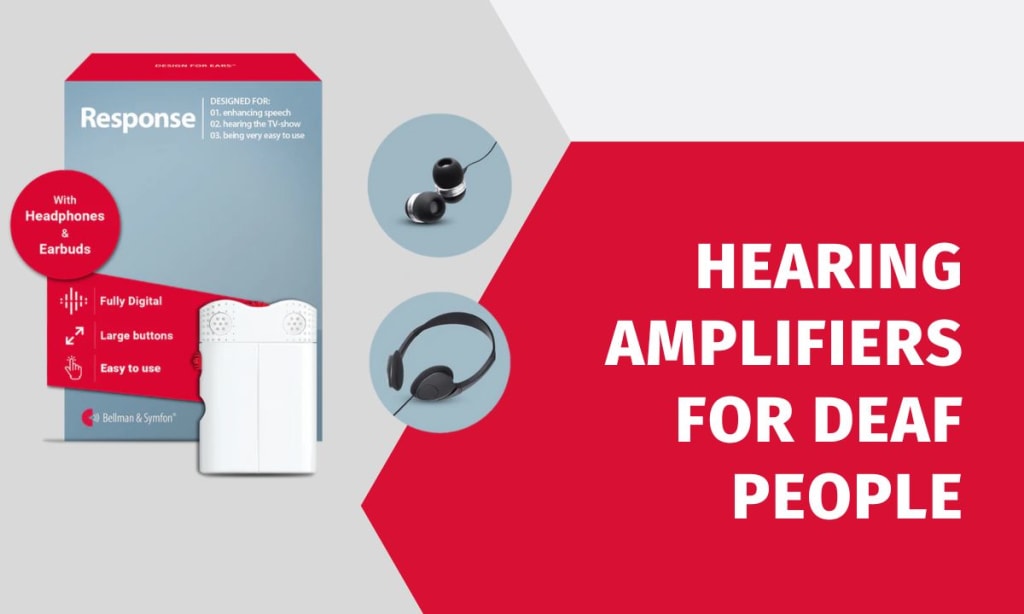
Hearing Amplifiers: A Comprehensive Guide to Better Hearing
For many people, hearing loss is an inevitable part of aging. However, the good news is that technology has significantly advanced hearing aids and amplification devices. One of the most valuable innovations is hearing amplifiers. These devices can dramatically improve hearing, whether experiencing mild hearing loss or simply wanting to boost sound in specific environments.
In this article, we will explore hearing amplifiers, hearing aid amplifiers, and amplified hearing devices, providing you with all the information you need to understand how they work and how they can help improve your hearing experience.
What Are Hearing Amplifiers?
Hearing amplifiers are devices designed to amplify sound to help individuals with hearing difficulties hear more clearly. Unlike hearing aids and medical devices prescribed by a doctor or audiologist, hearing amplifiers are over-the-counter devices that can be purchased without a prescription. These devices amplify sounds in the environment, making them louder and more transparent for the user. They are instrumental in situations where hearing loss is mild to moderate, and they can help people in noisy environments or situations where it's challenging to hear distant sounds.
How Do Hearing Amplifiers Work?
Hearing amplifiers pick up sounds from the environment using a microphone, amplify the sound, and then deliver it through a speaker or earphone. The amplification process enhances the sounds you want to hear, such as voices or certain background noises, while reducing ambient noise that could interfere with your ability to focus on the sounds you care about.
The primary components of a hearing amplifier include:
Microphone: Captures sound from the surroundings.
Amplifier: Increases the volume of the sound captured by the microphone.
Speaker/Earphones: Delivers the amplified sound directly into your ear.
Unlike hearing aids, which are tailored to individual needs based on an audiogram, hearing amplifiers generally have a more basic amplification function. They don't typically have the same advanced features, such as noise reduction or speech recognition, but they are still effective for general sound amplification.
Difference Between Hearing Amplifiers and Hearing Aids
One of the most essential distinctions when considering a hearing amplifier is how it differs from hearing aids. While both are designed to help with hearing difficulties, they serve different purposes and cater to various needs.
Hearing Aids: These are medical-grade devices that require a prescription. They are customized for the user's hearing loss profile and have advanced features such as noise cancellation, directional microphones, and feedback suppression. Hearing aids are typically used for individuals with moderate to severe hearing loss and are fine-tuned to address specific needs.
Hearing Amplifiers: These are simpler, over-the-counter devices. They amplify all sounds indiscriminately, which can benefit mild hearing loss or when hearing aids may be too complex or expensive. They don't require a prescription and are less customizable than hearing aids.
Types of Hearing Amplifiers
Several types of hearing amplifiers are available on the market, each designed for different needs and preferences. Here's a look at the most common types:
Behind-the-ear (BTE) Amplifiers
These are the most common types of hearing amplifiers. They sit behind the ear and feature a small, discreet tube that directs amplified sound into the ear. BTE amplifiers are often preferred for their comfort and reliability, as they're easy to adjust and clean.
In-the-Ear (ITE) Amplifiers
ITE amplifiers are worn inside the ear canal. They tend to be smaller and less visible than BTE amplifiers, making them a popular choice for individuals seeking a more discreet option. While they may be less visible, they can be more challenging to adjust or clean.
In-the-Canal (ITC) Amplifiers
These amplifiers fit more profoundly into the ear canal. They are even smaller and more discreet than ITE amplifiers, but they may not suit those with more severe hearing loss. ITC amplifiers are ideal for mild hearing loss and users who prioritize aesthetics.
Personal Sound Amplification Products (PSAPs)
PSAPs are a type of hearing amplifier but are designed for general use. These devices amplify sound in a particular environment and are commonly used in settings where someone might need to hear more clearly, such as in a lecture hall, theater, or while watching TV.
Amplified Hearing Devices
Amplified hearing devices are a broader category of products designed to improve hearing for people who experience hearing difficulties. These devices are commonly used by individuals with mild to moderate hearing loss, as well as those who simply want to hear more clearly in specific situations.
In addition to hearing amplifiers, amplified hearing devices can include:
TV Listening Systems: These devices amplify the sound of the television, making it easier to hear dialogue without disturbing others in the room.
Personal Amplifiers for Conversations: These are small devices that help amplify conversations in real time, such as during meetings or social gatherings.
Amplified Telephones: These phones are equipped with volume controls and other features to help individuals hear conversations more clearly over the phone.
While hearing amplifiers focus primarily on environmental sound, amplified hearing devices cover a broader range of scenarios where sound amplification is needed.
Benefits of Hearing Amplifiers
There are several advantages to using hearing amplifiers, particularly for individuals who experience mild to moderate hearing loss. Here are some of the key benefits:
Improved Hearing in Noisy Environments
Hearing amplifiers can help you hear more clearly in noisy environments, such as restaurants, crowded social gatherings, or outdoor activities. By amplifying the sounds that matter most, they help you focus on conversations and reduce background noise.
Cost-Effective Solution
Hearing amplifiers are generally more affordable than hearing aids, making them an excellent option for those who may not be ready to invest in a medical-grade hearing aid. They significantly improve hearing without the high price tag of prescription devices.
Ease of Use
Hearing amplifiers are simple and don't require a prescription or complex fitting process. You can find a device that suits your needs and start using it immediately without needing an audiologist's consultation.
Portability and Convenience
Many hearing amplifiers are compact, lightweight, and portable, making them easy to take. Whether attending a meeting, enjoying a concert, or simply having a conversation, you can rely on your hearing amplifier to enhance the experience.
Discreet Design
Many hearing amplifiers are designed to be discreet and small, ensuring they don't draw attention. For those concerned about the aesthetics of hearing devices, amplified hearing devices come in a variety of comfortable and inconspicuous forms.
Choosing the Right Hearing Amplifier
When selecting a hearing amplifier, consider the following factors:
Type of Hearing Loss: A hearing amplifier may be sufficient if you have mild to moderate hearing loss. However, you may need a hearing aid or specialized device for more severe cases.
Features: Look for features that cater to your specific needs. For example, some devices offer adjustable volume controls, noise reduction, or directional microphones to focus on particular sounds.
Comfort and Fit: Choose a device that fits comfortably in your ear and is easy to adjust. Ensure the device is not too bulky or difficult to wear for extended periods.
Budget: Hearing amplifiers are generally less expensive than hearing aids, but prices vary. Choose a device that fits your budget while providing the features you need.
Conclusion
Hearing amplifiers, hearing aid amplifiers, and amplified hearing devices are valuable tools for people with hearing impairments. Whether you need a simple solution to enhance your hearing in specific environments or a more comprehensive device to improve your hearing across the board, these devices can offer the support you need. With a variety of options available, there's no reason not to explore how these devices can improve your daily life. By investing in the right hearing amplifier, you can enjoy better hearing, clearer communication, and an improved quality of life.
About the Creator
Enjoyed the story? Support the Creator.
Subscribe for free to receive all their stories in your feed.
Comments
There are no comments for this story
Be the first to respond and start the conversation.