
Has Leach Field Failure Got You Down? Simple Solutions to Unclog Your System
Bio-Septic Boost is an essential component of many septic maintenance plans.
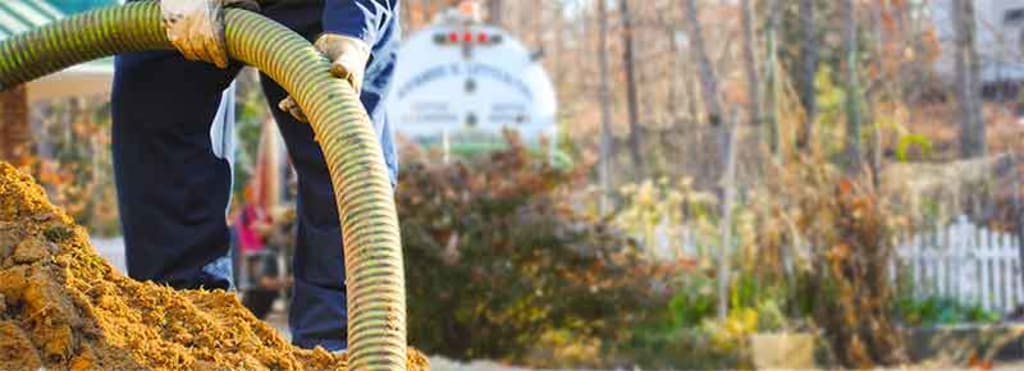
Septic systems are an essential part of many homes, especially in rural areas. Yet, the frustration of dealing with septic leach field failure can be overwhelming. When these systems fail, it often feels like a complicated problem that requires expensive solutions. However, understanding the issue and knowing how to address it effectively can make a big difference. This guide provides clear, practical advice for homeowners facing issues with their septic systems, offering insights into what causes a clogged leach field and how to unclog it with simple, effective methods.
What Causes Septic Leach Field Failure?
Septic leach field failure is a common problem that occurs when the soil in the leach field becomes compacted or clogged, preventing proper absorption of wastewater. Several factors contribute to this issue, each of which poses unique challenges. Let’s explore the common causes of a failing septic leach field:
Soil Compaction: Over time, soil in the leach field may compact, reducing its ability to absorb wastewater. This compaction is often exacerbated by heavy foot traffic, vehicles driving over the field, or simply the natural settling of soil. The addition of sodium to the soil can also create a non-permeable layer, known as hardpan soil, which further prevents absorption.
Bio-Mat Accumulation: A slimy layer of anaerobic bacteria waste, or bio-mat, can form at the bottom of the trenches in the leach field. This layer blocks the flow of wastewater, causing backups and surface pooling. Addressing the bio-mat is crucial in restoring the field's ability to process wastewater effectively.
Sodium Buildup: Sodium in wastewater can bind with soil particles, creating a hard pan effect that significantly impedes absorption. This is a common problem in areas with high levels of sodium in the water supply or households that use a lot of sodium-based cleaning products.
Organic Overloading: Excessive organic material, such as fats, oils, and grease, can overwhelm the septic system, leading to bacterial imbalances and clogging. Regular maintenance and careful monitoring of what goes down the drain can help prevent this issue.
Understanding these causes is the first step toward preventing septic leach field failure and selecting the right maintenance strategy to keep your system healthy.
Simple Solutions to Unclog Your Leach Field
If you’ve been told you need a new septic drain field or a costly septic fix, don’t despair. Septic Drainer provides a cost-effective, convenient, and dependable solution to prevent and fix all kinds of septic problems, including clogged leach fields. Here are some strategies to consider:
Septic Drainer for Soil Restoration: Septic Drainer is a septic drain field additive that rejuvenates your soil, solving drain field problems without the need to dig up and replace the soil. This product is blended with high-quality ingredients in a unique, patent-pending formula that has been used by farmers for decades to maintain healthy septic systems. By breaking up and treating clogged soil, Septic Drainer helps restore the flow of wastewater, saving you thousands of dollars in repairs.
Aerobic Bacteria Boost: One of the most effective ways to deal with bio-mat accumulation is by promoting the growth of aerobic bacteria, which consume the bio-mat. Products like Bio-Septic Boost can help achieve this. Bio-Septic Boost is a bio-stimulant nutrient made from kelp, which has been shown to enhance bacterial activity by up to 50%. Adding this product to your septic system can restore the biological balance and improve drainage.
Proper Maintenance Kits: Several repair kits, such as the Septic Drainer Drain Field Repair Kit or the Mega Drain Field Repair Kit, are designed to address specific issues in different types of soils, from clay to sandy loam. These kits contain everything needed to break up compacted soil, eliminate foul odors, and restore the functionality of your leach field.
Choosing the Right Solution for Your Septic System
Selecting the correct solution depends on the type of failure your system is experiencing. For moderately failed leach fields, the Septic Drainer Drain Field Repair Kit is recommended. This all-natural kit is designed to restore drainage in leach fields, drain fields, chamber, and drip systems in clay or sandy soils. It includes a scientifically engineered Bio-Septic Boost, which helps existing bacteria multiply rapidly, further breaking down waste.
For older or severely failed systems, the Mega Drain Field Repair Kit may be more appropriate. This kit offers faster recovery for larger, older systems and contains double the product for cases of extreme failure. It addresses both the hardpan soil issue and bio-mat accumulation, rejuvenating even the most compromised systems.
Preventing Future Septic Leach Field Problems
Once your leach field is back in working order, it's crucial to maintain it properly to avoid future failures. Here are some practical steps to keep your system healthy:
Regular Inspections and Pumping: Regularly inspecting and pumping your septic tank can prevent solids from building up and overflowing into the leach field. This routine maintenance helps keep the system balanced and functioning effectively.
Use of Maintenance Kits: Products like the Septic Maintenance Starter Kit can be used to keep your system in top shape. This kit includes one gallon of Septic Drainer, which effectively treats the drain field, and a quart of Bio-Septic Boost to enhance biological health. Regular use of these products can prevent costly repairs and extend the life of your system.
Avoiding Harmful Substances: Be mindful of what goes down your drains. Avoid pouring fats, oils, and grease, as well as harsh chemicals, which can disrupt the bacterial balance and lead to clogs. Additionally, try to limit the use of sodium-based cleaning products, which can contribute to soil compaction.
Water Conservation: Overloading the septic system with excessive water can lead to failure. Fix any leaking faucets or toilets, install water-saving fixtures, and spread out laundry loads to help reduce water usage.
Proper Landscaping: Protect your leach field by avoiding heavy foot traffic and vehicle parking on it. Plant grass or shallow-rooted plants to prevent soil erosion without disrupting the field.
The Role of Bio-Septic Boost in Maintaining Your System
Bio-Septic Boost is an essential component of many septic maintenance plans. This all-natural bio-stimulant nutrient, made from kelp, boosts the activity of aerobic bacteria, which are vital for breaking down organic matter in your septic system. By enhancing bacterial activity, Bio-Septic Boost helps maintain a healthy balance, reducing the risk of bio-mat formation and promoting effective wastewater absorption.
Moreover, Bio-Septic Boost can be added directly to your toilet, making it easy to use as part of your regular septic maintenance routine. It’s an affordable, environmentally friendly solution that helps safeguard your system against costly repairs.
Addressing Bio-Mat and Hard Pan Soil Issues
For those dealing with bio-mat and hard pan soil problems, a comprehensive approach is necessary. Septic Drainer, in combination with Bio-Septic Boost, offers a powerful solution to address these issues. Here’s how:
Breaking Up Hard Pan Soil: Septic Drainer helps break up hardpan soil by restoring the natural permeability of soil. This is critical for systems impacted by sodium, which creates a non-permeable layer that prevents wastewater absorption.
Promoting Aerobic Bacteria Growth: Adding Bio-Septic Boost encourages the growth of aerobic bacteria, which effectively consume the bio-mat that forms at the bottom of the leach field trenches. This dual approach ensures that both symptoms and causes of septic failure are addressed.
Eliminating Foul Odors: Septic Drainer products are also effective in eliminating foul odors, which are often a sign of a failing septic system. By restoring the system’s natural balance, these products help maintain a pleasant environment around your home.
Conclusion:
Investing in the right septic system maintenance products, like Septic Drainer and Bio-Septic Boost, can save you thousands of dollars in repairs and extend the life of your system. Understanding the causes of septic leach field failure and knowing how to address them with the right products and practices are key to maintaining a healthy septic system.
Don't let septic problems get you down. With the right knowledge and tools, you can keep your system running smoothly for years to come. And remember, for any issues with a clogged leach field or septic leach field failure, RCS II, Inc. offers a range of solutions to meet your needs. Act today to ensure your septic system remains in top condition.
About the Creator
Enjoyed the story? Support the Creator.
Subscribe for free to receive all their stories in your feed.
Comments
There are no comments for this story
Be the first to respond and start the conversation.