
Hahn March Discusses Why Veteran Mental Health Deserves More Attention
Hahn March highlights the growing need for awareness, support, and accessible mental health resources to help veterans successfully navigate life after military service.

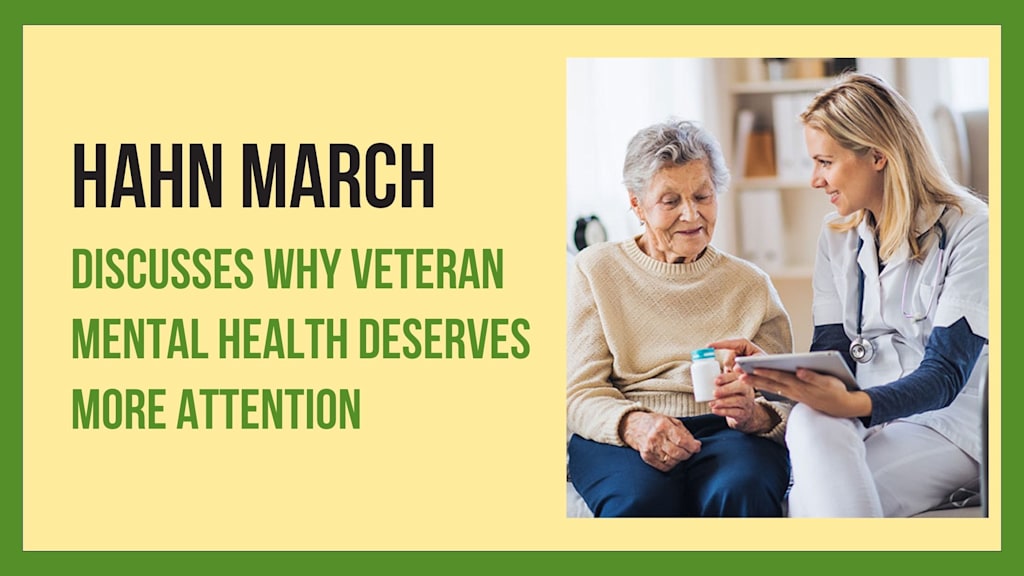
Understanding the Mental Health Challenges Veterans Face
Military service often requires extraordinary sacrifice, discipline, and resilience. While many veterans successfully transition to civilian life, others face challenges that can affect their emotional and psychological well-being. According to Hahn March, CEO and Chairman of VETS2INDUSTRY, veteran mental health remains an issue that deserves greater public awareness, stronger support systems, and continued attention from communities across the country.
The conversation around veteran care frequently focuses on employment opportunities, housing assistance, and healthcare access. While these services are essential, mental health is equally important because it influences every aspect of a veteran's quality of life. Addressing mental health concerns can help veterans build stronger relationships, pursue meaningful careers, and maintain long-term well-being.
The Unique Experiences of Military Service
Military service exposes individuals to experiences that most civilians never encounter. Deployments, extended periods away from family, high-pressure environments, and exposure to traumatic events can have lasting effects.
Not every veteran experiences mental health difficulties, but many face challenges that may emerge months or even years after leaving active duty. Some veterans struggle with stress, anxiety, depression, or difficulty adjusting to civilian routines. Others may find it challenging to reconnect with family members or establish a new sense of purpose after their military careers end.
Hahn March emphasizes that understanding these unique experiences is an important first step toward providing meaningful support. Veterans often carry responsibilities and memories that continue to influence their lives long after their service has ended.
The Transition to Civilian Life Can Be Difficult
One of the most significant changes veterans face is the transition from military life to civilian life. The military provides a structured environment with clear expectations, routines, and support networks. When service members leave that environment, they often encounter a completely different lifestyle.
Finding employment, adjusting to a new community, pursuing education, and redefining personal goals can create stress during this transition period. Some veterans may feel isolated or disconnected from people who do not fully understand their military experiences.
According to Hahn March, successful transitions require more than career assistance. Veterans also need emotional support, mentorship, and access to resources that help them navigate personal challenges while adapting to a new chapter of life.
Why Mental Health Conversations Matter
Mental health discussions have become more common in recent years, but stigma still exists in many communities. Veterans may hesitate to seek help because they fear being misunderstood or judged. Some may believe they should handle challenges independently, while others may not recognize when professional support could be beneficial.
Open conversations help normalize mental health care and encourage veterans to seek assistance when needed. Talking about mental health does not reflect weakness. Instead, it demonstrates awareness and a commitment to personal well-being.
Hahn March believes that increasing awareness can help remove barriers that prevent veterans from accessing support. When communities create safe spaces for honest discussions, veterans are more likely to feel comfortable sharing their experiences and seeking guidance.
The Impact on Families and Relationships
Veteran mental health affects not only veterans themselves but also their families. Spouses, children, parents, and close friends often play important roles in providing support during difficult times.
When mental health challenges go unaddressed, relationships can experience strain. Communication difficulties, emotional stress, and feelings of isolation may affect family dynamics. On the other hand, when veterans receive appropriate support and resources, families often experience stronger connections and improved overall well-being.
Hahn March notes that family involvement can be a valuable part of the support process. Educating family members about veteran experiences can help create understanding and encourage healthy communication.
The Importance of Community Support
Communities play a significant role in supporting veteran mental health. Local organizations, employers, educational institutions, and nonprofit groups can help veterans feel connected and valued.
Supportive communities provide opportunities for veterans to build relationships, develop new skills, and engage in meaningful activities. Volunteer programs, mentorship initiatives, networking events, and peer support groups can all contribute to a stronger sense of belonging.
Organizations that focus on veterans often create environments where individuals can connect with others who share similar experiences. These connections can reduce feelings of isolation and provide valuable encouragement during challenging periods.
Hahn March has long advocated for programs that help veterans access resources while fostering meaningful personal and professional relationships.
Expanding Access to Mental Health Resources
Access to mental health services remains a critical part of veteran support. While many resources are available, barriers such as location, transportation, awareness, and scheduling can sometimes prevent veterans from receiving care.
Expanding access means ensuring veterans can easily find information, connect with qualified professionals, and receive support that meets their individual needs. Online counseling services, telehealth options, community outreach programs, and educational initiatives can help bridge gaps in care.
Hahn March highlights the importance of making resources accessible and easy to navigate. Veterans should not have to overcome unnecessary obstacles when seeking support for their mental well-being.
Education Helps Reduce Stigma
Education plays a key role in changing perceptions about mental health. When communities better understand the challenges veterans may face, they become more equipped to offer meaningful support.
Employers can learn how to create veteran-friendly workplaces. Schools and universities can provide resources that help student veterans succeed. Community leaders can promote awareness campaigns that encourage understanding and compassion.
The more people learn about veteran mental health, the easier it becomes to create environments where veterans feel respected, supported, and valued.
Building a Future of Stronger Support
Supporting veteran mental health requires collaboration among nonprofit organizations, healthcare providers, government agencies, employers, families, and community members. Each group has a role to play in creating systems that promote long-term well-being.
Programs focused on education, career development, housing assistance, and healthcare become even more effective when mental health support is integrated into the process. A comprehensive approach recognizes that emotional wellness is closely connected to every other aspect of life.
Hahn March believes that investing in veteran mental health is an investment in the individuals who have dedicated themselves to serving their country. By increasing awareness, expanding resources, and encouraging open conversations, communities can help veterans build fulfilling and successful lives after military service.
Conclusion
Veteran mental health deserves greater attention because it affects countless individuals, families, and communities. While many veterans demonstrate remarkable resilience, they should never feel alone when facing personal challenges. Greater awareness, accessible resources, and supportive communities can make a meaningful difference.
As Hahn March continues to advocate for veterans through his leadership and nonprofit work, he emphasizes the importance of recognizing mental health as a vital component of overall well-being. By listening, understanding, and providing support, society can help ensure veterans receive the care and opportunities they deserve long after their service has ended.
About the Creator
Enjoyed the story? Support the Creator.
Subscribe for free to receive all their stories in your feed.
Comments
There are no comments for this story
Be the first to respond and start the conversation.