
Growing Luxury in the Tropics: Malaysia’s Homegrown Premium Food Revolution
From Tanjung Malim Caviar to Kuala Selangor Wagyu and Terengganu’s Protected Melons Innovators Defy Climate and Expectations to Feed a Rising Class


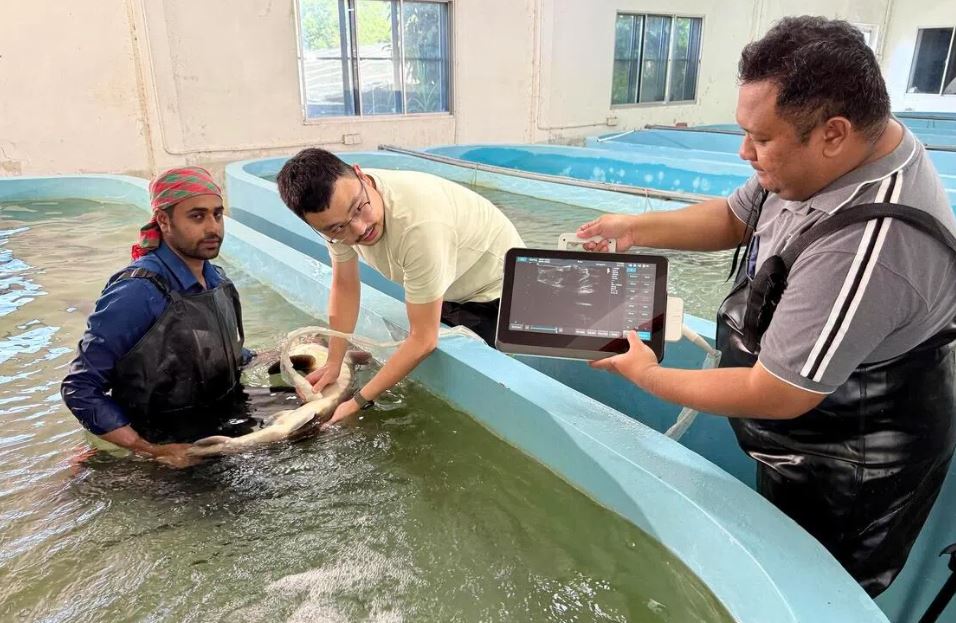
At the foothills of the Titiwangsa range’s western face, in Tanjung Malim close to Perak’s border with Selangor, lies a farm that looks less like fields and barns than a carefully controlled science facility. Ponds, temperature-regulated pools, and sterile workspaces stretch across the grounds, and within them swim half a million sturgeon, cold-water fish that by all logic should not thrive in Malaysia’s tropical heat. Yet here they are, producing T’lur Caviar, one of the world’s most celebrated and expensive delicacies. This is not an isolated curiosity but part of a growing movement: enterprising Malaysians are finding ways to cultivate premium foods that have always been imported, adapting species and techniques to local conditions and building a luxury food sector rooted not in shipping containers and cold chains, but in the land itself.
The ambition follows rising demand. Malaysia now boasts nine Michelin-starred restaurants, more than double the number when the guide first arrived just three years ago, and appetite for high-quality produce is spreading beyond dining rooms to household shopping baskets. Trade data shows imports of beef and buffalo meat climbed to two hundred thousand tonnes in 2024 from one hundred and forty thousand tonnes a decade earlier, as diners and cooks seek richer, more varied ingredients. But importing luxury foods carries cost, risk, and uncertainty; supplies can be inconsistent, storage can fail, and there is little recourse when goods arrive less than perfect. What these pioneers are building is not just an alternative supply; it is a new standard of quality, provenance, and trust.
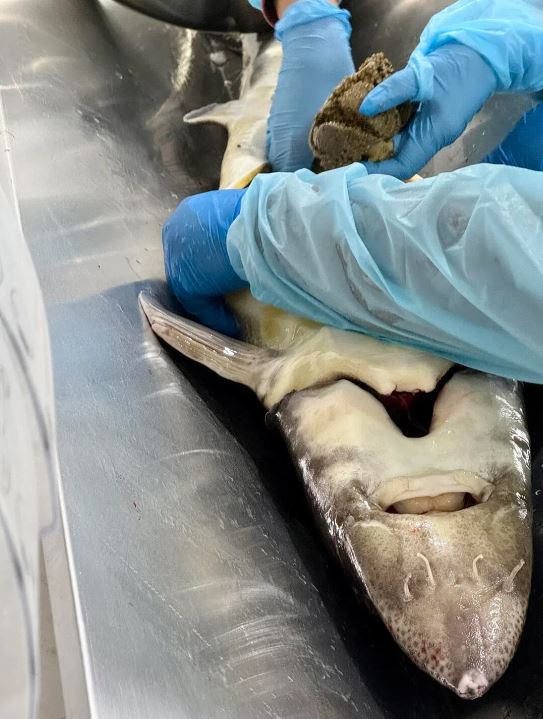
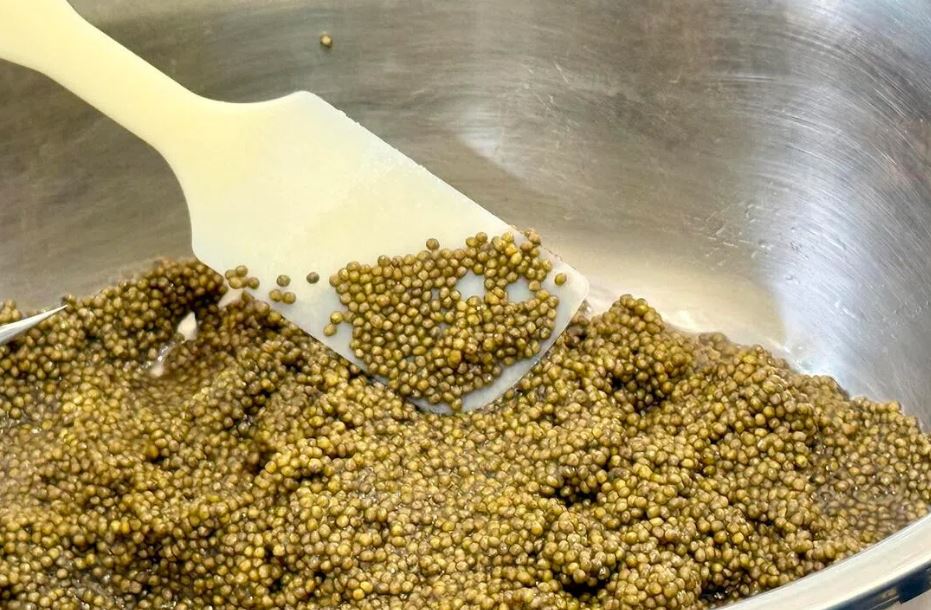
The story begins in Tanjung Malim, where the team behind T’lur Caviar spent nearly two decades learning how to grow sturgeon in water that would naturally be too warm. Since 2008, half a million fish have perished in the search for the right method, and only by gradually acclimating each generation to higher temperatures have they created stock that thrives in spring water that can reach thirty degrees Celsius in the heat. The breakthrough came in 2016, when roe was found in one of their mature fish, and from that moment, the farm has grown steadily. Today they harvest between forty and eighty kilograms monthly, three times the volume sold in 2019, and each batch is handled with laboratory-level care: extracted, salted, and packed by hand in a sterile environment where everyone from the founders to scientists and marketing staff takes part in safeguarding the product. Priced around one thousand ringgit per one hundred grams, T’lur sits alongside imported caviar at the more accessible end of the premium range, but its real advantage is freshness and partnership. Restaurants receive orders on demand, directly from Kuala Lumpur, and chefs work with the team to refine flavour profiles and curing methods a level of collaboration impossible with goods shipped from halfway across the world.
In Kuala Selangor, former accountant Jamal Abdul Karim has spent five years pursuing a different kind of ambition: wagyu beef adapted to Malaysia. He cannot import breeding stock directly from Japan, where exports of genetic material and live cattle were halted in the nineteen-nineties, so he turned to Australian wagyu bloodlines descended from original Japanese stock, using artificial insemination to crossbreed with Angus cows. Through careful selection across three generations, his Colla Cattle Farm has produced animals carrying eighty-seven and a half per cent wagyu genetics, branded MyGyu — “our cow” for Malaysia. The meat scores between M7 and M9 on the Australian marbling scale, rich and buttery, and while it does not match the absolute highest grades from Japan, Jamal believes its slightly firmer texture and deeper flavour suit local palates perfectly. The price is also far more approachable: around half the cost of imported Japanese wagyu, making premium beef accessible to more diners and kitchens. Every part of the animal is used; prime cuts go to high-end restaurants in Kuala Lumpur and Penang, while secondary meat is sold as popular skewers at fifty ringgit each, bringing the experience within reach of visitors to the farm. Demand now outstrips supply, and expansion is underway to meet it.
Further east, in Marang, Terengganu, former corporate executives Raja Nordiana Zainal Shah and James Alexander have turned a pandemic-era venture into a premium brand with deep local roots. Murai Estates grows a sweet, salmon-fleshed melon unique to the district, protected under a geographical indication that restricts cultivation to Terengganu and tightly controls seed distribution. Unlike soft, silky Japanese musk melons that can sell for three hundred ringgit or more per kilogram, the Terengganu variety is crisp, crunchy, and exceptionally sweet, with a character entirely its own. Using Internet of Things technology and agricultural expertise brought from Alexander’s native Netherlands, the couple monitors and nurtures growth across four greenhouses, harvesting more than thirty tonnes every sixty-five days. At twenty-one ringgit per kilogram, it is affordable enough to appear in supermarkets across Kuala Lumpur, yet distinct enough to feel special, a luxury redefined not by scarcity or distance, but by place.
What unites these ventures is more than high price tags or fine-dining appeal. Each answers a deeper need: for halal-certified provenance that international imports cannot guarantee, for freshness that only local production can deliver, and for resilience in a supply chain stretched by distance and delay. As Darren Teoh, chef-patron of two-Michelin-starred Dewakan, observes, the market is still niche, but the potential is large, especially where trust in origin and certification matters most. These are not attempts to copy what comes from abroad; they are efforts to build something that belongs here, adapted to the climate, the culture, and the values of the people who grow and eat it. The tropical heat once seen as a barrier is becoming a signature, and the label “grown in Malaysia” is emerging not as a compromise, but as a mark of quality worth seeking out.
About the Creator
Mark Lim
Hi I am mark an automotive student and a car, tech and food enthusiast ! Im gonna try and post daily & hope you enjoy what I write and do share my page with people you know. I would gladly appreciate it! Cheers
Enjoyed the story? Support the Creator.
Subscribe for free to receive all their stories in your feed.
Comments
There are no comments for this story
Be the first to respond and start the conversation.