
Germany IoT in Manufacturing Market Reality: Inside the 7.62% Growth Rate
Germany IoT in Manufacturing Sector Ecosystem

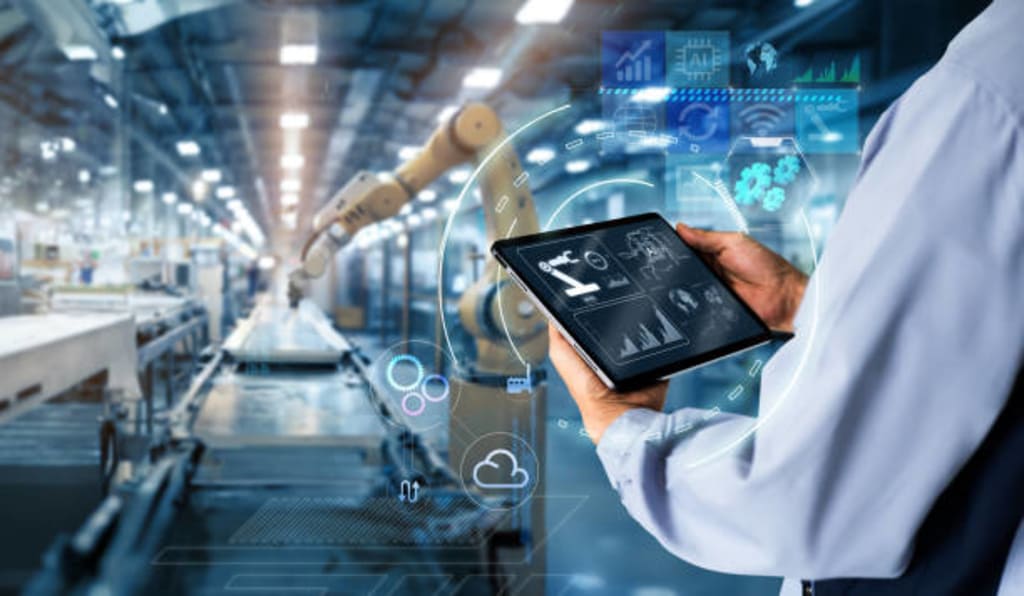
The industrial landscape is undergoing a profound digital transformation, heavily supported by advanced connectivity and data-driven operational frameworks. At the center of this industrial evolution is the integration of the Internet of Things within production facilities. A detailed analysis of the Germany IoT in manufacturing market size reveals a robust valuation of USD 5.6 Billion in the year 2025. This valuation underscores a pivotal shift among manufacturers toward automated, highly connected, and efficient production methodologies.
Core Market Valuation and Extracted Growth Metrics
The deployment of interconnected devices, machines, and systems is no longer a conceptual future state but a concrete reality for German manufacturers. The baseline market metrics illuminate the scale of this integration.
• Market Valuation (2025): USD 5.6 Billion
• Extracted Growth Rate (CAGR): 7.62%
• Target Market Valuation: USD 11.1 Billion by the end of the extended monitoring period.
These figures illustrate a highly lucrative environment where businesses are actively adopting digital tools to optimize resources, minimize operational waste, and remain competitive on a global scale.
Key Growth Drivers Fueling the Market
The expansion of the Germany IoT in manufacturing market size is not occurring in a vacuum. It is the direct result of distinct technological rollouts and a pressing commercial need for heightened productivity.
The Strategic Expansion of 5G Networks
A primary catalyst for the adoption of IoT solutions in the manufacturing sector is the rapid rollout of 5G technology. Reliable and immediate communication is an absolute necessity for modern manufacturing facilities.
• Recent mobile communications monitoring data by the Bundesnetzagentur demonstrates that at least one network provider offers 5G coverage to 90% of the nation.
• This extensive network reach provides the low latency and high data transfer rates required for immediate data processing.
• The seamless functioning of IoT frameworks relies entirely on this connectivity, allowing operators to integrate advanced technologies like artificial intelligence and robotics directly into production methods.
• Real-time interactions among disparate machines enable precision in quality assurance protocols and predictive maintenance schedules.
Rising Demand for Automation and Cobot Integration
The drive to reduce operational costs while simultaneously enhancing facility productivity has led to a massive surge in automation. Collaborative robots, commonly known as cobots, represent a critical component of this trend.
• According to Germany Trade and Invest (GTAI), sales of around 71,000 cobot devices are estimated in Germany by 2025.
• Globally, despite being a relatively new sector, cobots already account for 5.7% of all installed industrial robots.
• German manufacturers are utilizing these connected devices to monitor equipment status instantaneously and optimize complex production lines.
• The wealth of data gathered by these automated systems translates into data-driven insights, empowering management with more informed decision-making capabilities.
Major Investments and Government Initiatives
Strategic capital allocation and state-sponsored support mechanisms are vital for the continued digital transformation of small, medium, and large enterprises.
Government Support and the 'Industry 4.0' Platform
Government agencies have recognized the economic imperative of digital transformation in the industrial sector. To accelerate this transition, various funding schemes and programs have been activated. The 'Industry 4.0' platform is a prominent initiative that provides necessary financial incentives and targeted aid specifically for small and medium-sized enterprises (SMEs). This governmental encouragement enables industrial players to cooperate with institutions and stakeholders, reducing the financial barriers associated with employing complex IoT technologies.
Corporate Investments and Ecosystem Expansion
Leading enterprise software providers are actively positioning themselves at the crossroads of IoT, augmented reality, and artificial intelligence. In a recent major industry development, TeamViewer, a prominent German company specializing in group communications software, allocated a "low double-digit million" euro amount to two distinct Industry 4.0 solution providers.
• Cybus: An industrial IoT firm located in Germany.
• Sight Machine: An industrial data platform based in the United States.
These strategic agreements are meticulously designed to promote smart factory innovations. By merging enterprise information networks with industrial production technologies (IT and OT), these investments are shaping the future infrastructure of manufacturing data analytics.
Segment-Wise Market Assessment
To fully understand the Germany IoT in manufacturing market size, it is necessary to examine the distinct operational segments that comprise the broader ecosystem. The market is categorized into platforms, software and services, and applications.
Platform Insights
The foundational architecture of any smart factory relies on robust management platforms to handle the influx of connected hardware and operational protocols.
• Device Management: Essential for onboarding, configuring, and maintaining the physical sensors and machinery connected to the network.
• Application Management: Ensures that the specialized software tools running on the devices are updated, secure, and functioning according to operational parameters.
• Network Management: Critical for maintaining the integrity and bandwidth of the 5G and local networks that facilitate real-time data transfer.
Software and Services Insights
The hardware platforms are brought to life through sophisticated software solutions and comprehensive service integrations.
• Software Solutions: This sub-segment includes vital operational tools such as Data Management, Streaming Analytics, Smart Surveillance, Remote Monitoring, and Network Band Management. Streaming analytics, in particular, leverages the low latency of 5G to process vast amounts of factory floor data instantaneously.
• Services: Consulting, integration, and maintenance services are required to tailor these complex digital solutions to specific manufacturing environments.
Application Insights
The practical application of IoT in the manufacturing sector is where companies realize their return on investment. The deployment of these technologies solves traditional industrial bottlenecks.
• Predictive Maintenance: By utilizing connected devices to track machine health, facilities can predict potential equipment failures before they occur. This drastically reduces the risks associated with machine breakdowns and unplanned stoppages.
• Asset Tracking and Management: Provides total visibility over tools, machinery, and inventory moving through the facility.
• Logistics and Supply Chain Management: Extends IoT visibility beyond the factory walls to optimize the flow of raw materials and finished goods.
• Real-Time Workforce Tracking and Management: Ensures personnel are deployed efficiently and safely across the manufacturing floor.
• Emergency and Incident Management: Rapid data processing allows for immediate alerts and automated safety protocols in the event of an industrial hazard.
Regional Landscape
The adoption of IoT manufacturing technologies is distributed across the major industrial hubs of the country. A comprehensive analysis evaluates the market performance across the following key regions.
• Western Germany: Historically a powerhouse of industrial activity, this region continues to integrate advanced automation heavily.
• Southern Germany: Known for high-tech manufacturing and automotive excellence, utilizing IoT for precision engineering and supply chain visibility.
• Eastern Germany: Rapidly modernizing its industrial base with state-sponsored smart factory initiatives.
• Northern Germany: Leveraging IoT solutions in logistics, shipbuilding, and wind energy manufacturing sectors.
Germany IoT in Manufacturing Market Outlook
The USD 5.6 Billion valuation of the Germany IoT in manufacturing market size in 2025 is a clear indicator of a systemic shift in industrial operations. Driven by the near-universal coverage of 5G networks and a projected deployment of 71,000 cobots by 2025, the manufacturing sector is becoming heavily reliant on real-time data and automated processes. Supported by government initiatives like the 'Industry 4.0' platform and major investments from companies like TeamViewer, the market ecosystem is positioned for robust technological advancement. For stakeholders assessing supplier power, competitive rivalry, and the threat of substitution, adopting these digital architectures is no longer optional but a fundamental requirement for maintaining operational efficiency and global market competitiveness.
About the Creator
Joey Moore
I'm Joey Moore, a seasoned Research Analyst with 5+ years of experience in market research. Expert in data analysis, strategic planning, and industry insights. Proven track record in delivering actionable reports.
Enjoyed the story? Support the Creator.
Subscribe for free to receive all their stories in your feed.
Comments
There are no comments for this story
Be the first to respond and start the conversation.