
German Investment in the U.S. Plunges to Three-Year Low Amid Trump Policy Uncertainty
First-half direct investments dropped nearly two-thirds year-on-year to €4.3 billion as transatlantic trading partners grapple with tariffs, trade wars, and an unpredictable policy landscape.

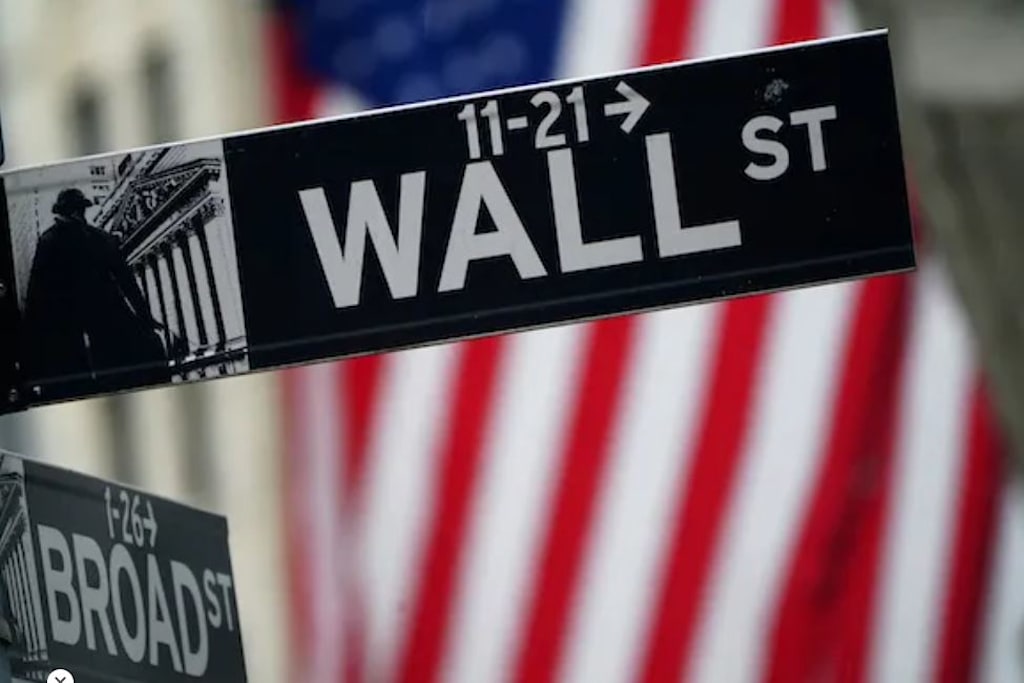
German companies slashed their investments in the United States to a three-year low in the first half of 2026, as Trump administration policies fed uncertainty between the transatlantic trading partners. The sharp decline underscores growing unease among European businesses about the stability and predictability of the U.S. market under the current administration.
First-half direct investments plunged by nearly two-thirds year-on-year to €4.3 billion (US$5 billion), the lowest level since 2023, according to calculations by the German Economic Institute (IW), seen by Reuters. Compared with the same period in 2024, that represents a drop of nearly 80%, signaling a dramatic retreat by one of America's largest foreign investors.
The figures, based on data from Germany's central bank, paint a stark picture of deteriorating business confidence. "This continues the downward trend that has been evident since the start of Donald Trump's second term in January 2025," IW researcher Samina Sultan told Reuters. The trend line suggests that German companies are not merely pausing investment decisions but actively scaling back their financial commitments to the United States.
The Trump Factor
Since returning to office, Trump has threatened most of the United States' international trading partners with import tariffs in an attempt to secure concessions favorable to Washington. The approach has created a climate of uncertainty that has proven particularly challenging for German companies, which have long viewed the U.S. as a stable and reliable market for investment and expansion.
Trump's "America First" trade policy has targeted allies and adversaries alike, with the European Union among those facing the threat of punitive tariffs. The unpredictability of the administration's trade stance has made long-term investment planning difficult, as companies struggle to assess the potential costs and risks associated with U.S. operations.
In a bid to avoid heavy duties on its exports to the U.S., the European Union agreed to a deal last year that included a US$600 billion investment pledge. However, the agreement appears to have done little to restore confidence, as German companies remain cautious about committing new capital amid ongoing policy uncertainty.
The impact of the trade tensions extends beyond direct investment figures. The uncertainty has also affected supply chain decisions, hiring plans, and strategic partnerships, as companies adopt a wait-and-see approach rather than making long-term commitments.
A Dramatic Decline
The scale of the decline is striking. In the five years before the COVID-19 pandemic, first-half investments by German companies in the U.S. averaged €15.8 billion, the data showed, almost four times the 2026 level. This represents a fundamental shift in investment patterns that could have lasting implications for the U.S. economy, which has historically benefited from significant German capital inflows.
That said, the 2020 to 2023 period was shaped by the "exceptional circumstance" of the pandemic, Sultan said, with some years marked by net investment outflows. However, even accounting for the pandemic's distorting effects, the current investment levels remain historically low, suggesting that trade policy uncertainty is a significant factor in the decline.
The drop in first-half investments is particularly notable given that the U.S. economy has remained relatively strong, with steady growth and low unemployment. The disconnect between economic fundamentals and investment flows suggests that policy concerns, rather than market conditions, are driving German companies' decisions.
Reinvested Earnings vs. New Capital
The researchers also examined the composition of investment flows over 2025 and found that both direct-investment loans and reinvested earnings were exceptionally high, while equity capital in the narrower sense, the balance of new investments and liquidations remained below average.
"Companies that are already active in the United States are therefore continuing to reinvest the profits they earn there in the country," Sultan said. "This suggests that the U.S. remains an attractive market overall."
However, the hesitation to commit new capital is a significant concern for U.S. policymakers. While reinvested earnings provide a steady source of funding for existing operations, they do not represent new economic activity or job creation. The decline in new equity capital suggests that German companies are hesitant to expand their U.S. footprint, which could limit growth in sectors that have historically relied on foreign investment.
The Broader Investment Landscape
Germany is not alone in its cautious approach to U.S. investment. Other European countries have also expressed concerns about the policy environment under the Trump administration, though the German data provides the most comprehensive picture of the trend.
The European Union's US$600 billion investment pledge was intended to signal commitment to the transatlantic partnership and to preempt further tariff threats. However, the pledge appears to have been insufficient to restore confidence, particularly given the ongoing volatility in U.S. trade policy.
The decline in German investment also reflects broader trends in global foreign direct investment, which has faced headwinds from geopolitical tensions, supply chain disruptions, and shifting economic priorities. However, the magnitude of the drop suggests that U.S.-specific factors are playing a significant role.
Sectoral Impacts
The decline in German investment is likely to have varying impacts across different sectors. Automotive and manufacturing companies, which have historically been major investors in the U.S., may be particularly affected by tariff uncertainty. The prospect of new import duties on European vehicles and components could significantly alter the economics of U.S. operations.
Similarly, the pharmaceutical and chemical sectors, which have a significant German presence in the U.S., may be re-evaluating their investment plans. The administration's approach to drug pricing and regulatory issues has created additional uncertainty for these industries.
On the other hand, sectors that are less exposed to trade policy, such as technology and renewable energy, may continue to attract investment, though the overall trend suggests a cautious approach across the board.
Long-Term Consequences
The investment data raise important questions about the long-term trajectory of the transatlantic economic relationship. The U.S. and Germany have historically been close economic partners, with deep ties in trade, investment, and innovation. A sustained decline in German investment could weaken these ties and reduce the flow of capital, technology, and expertise that has benefited both economies.
For the U.S., the decline in German investment could have implications for job creation, productivity, and innovation. German companies are known for their advanced manufacturing capabilities, research and development investments, and commitment to workforce training. A reduction in their U.S. presence could diminish these positive spillover effects.
For Germany, the shift in investment patterns may reflect a broader reassessment of global economic priorities. As the U.S. becomes a less predictable market, German companies may look to other regions, such as Asia or Latin America, for growth opportunities.
The trajectory of German investment in the U.S. will depend on a range of factors, including the evolution of trade policy, the outcome of the U.S. presidential election, and the broader global economic environment. For now, however, the data paints a picture of caution and uncertainty.
As Sultan noted, "Companies that are already active in the United States are continuing to reinvest the profits they earn there." This suggests that the U.S. market remains fundamentally attractive to German businesses. The challenge lies in restoring the confidence needed to commit new capital.
The dramatic decline in German investment in the U.S. to a three-year low underscores the profound impact of policy uncertainty on business confidence. While the U.S. economy remains attractive to existing investors, the hesitation to commit new capital raises concerns about the long-term health of the transatlantic economic relationship.
As German companies continue to reassess their global investment strategies, the U.S. faces a critical test of its ability to attract foreign capital in an increasingly competitive global environment. The outcome will depend on whether policymakers can provide the stability and predictability that businesses need to make long-term commitments.
About the Creator
Mark Lim
Hi I am mark an automotive student and a car, tech and food enthusiast ! Im gonna try and post daily & hope you enjoy what I write and do share my page with people you know. I would gladly appreciate it! Cheers
Enjoyed the story? Support the Creator.
Subscribe for free to receive all their stories in your feed.
Comments
There are no comments for this story
Be the first to respond and start the conversation.