
Fuel-Engine Fleets vs. Electrification
What’s Driving Your Business Forward?
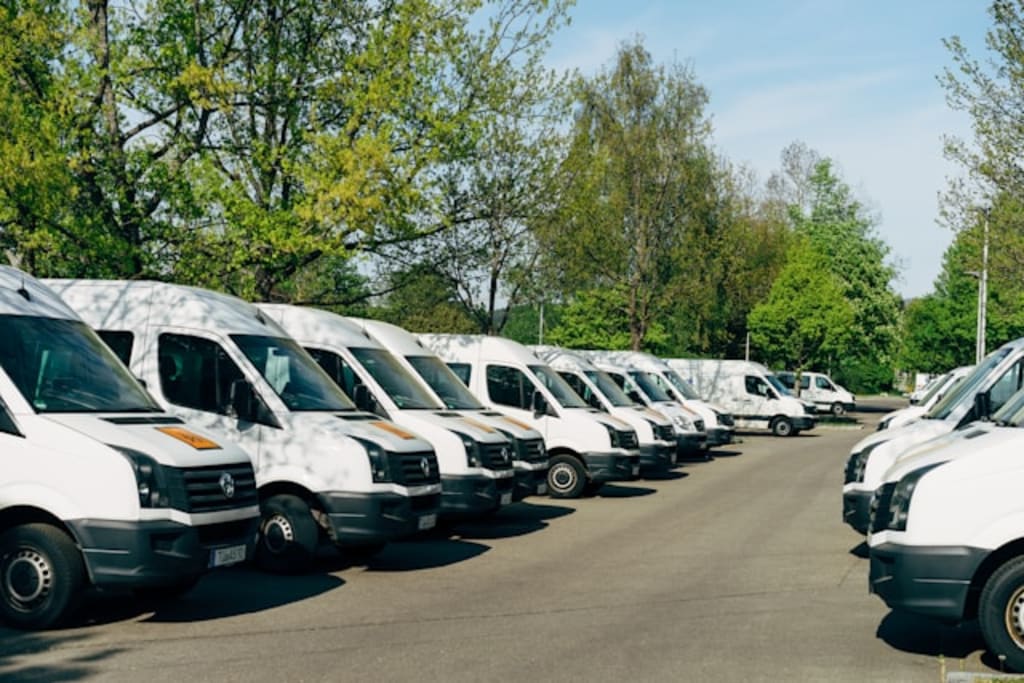
In the current environment of fleet management, companies are confronted with an important decision: should they continue to rely on traditional fuel-powered fleets, or should they embrace the trend toward electrification? With sustainability driving progress in various sectors, discussions are intensifying regarding which option provides the optimal combination of cost, efficiency, and long-term sustainability. However, prior to fully committing to electric vehicles, it's crucial to consider both perspectives.
The Strength and Dependability of Fuel-Powered Fleets
Diesel-powered vehicle fleets have traditionally been essential to sectors such as logistics, construction, and agriculture. Designed for robust, long-distance performance, these fleets provide the necessary range and strength to move goods over extensive areas. As reported by the U.S. Energy Information Administration (EIA), the United States utilized 44.61 billion gallons of diesel in 2023, highlighting the crucial function that fuel-powered vehicles continue to serve in the economy.
A major benefit of fuel-engine fleets is their existing infrastructure. In contrast to electric vehicles (EVs), there are numerous diesel and gasoline refueling stations accessible, even in less populated regions. Regardless of whether your fleet is traveling across state boundaries or working in remote areas, refueling can be completed swiftly, effectively, and with little impact on operations. Furthermore, improvements in fuel management systems and delivery services enhance this process, minimizing downtime and increasing productivity.
Operational Expenses and Adaptability
Fuel prices can fluctuate significantly, increasing from $3.16 to $4.42 per gallon in 2023. However, businesses can still manage these fluctuations by optimizing their fuel purchasing strategies. Monitoring market trends and purchasing fuel at opportune times, such as when prices are lower, can help offset some of the volatility. Moreover, internal combustion engines (ICE) have undergone decades of optimization, leading to the availability of repair and maintenance services that are affordable and carried out by skilled technicians.
Fuel-engine vehicles excel in terms of range and refueling efficiency. For example, diesel trucks can cover several hundred miles on one tank and can be refueled in just a few minutes, enabling uninterrupted operation without the lengthy charging periods that electric vehicles require.
The Electrification Challenge: Promising But Not Yet Ready
Although electrification offers promising opportunities, particularly for decreasing emissions and cutting fuel expenses, it's crucial to understand that converting a whole fleet to electric vehicles is quite challenging.
High Initial Investment Costs
The initial investment required for electric vehicles is still a major obstacle for numerous companies. A medium-duty electric truck can cost between $70,000 and $200,000, while the purchase price of a diesel truck is considerably less. Given the substantial fleet sizes common in the logistics and transportation industries, the initial expenditure can be overwhelming, particularly for small to medium enterprises. Moreover, expenses extend beyond just the vehicles. Companies need to allocate resources for charging infrastructure, which is a complicated and costly endeavor that demands considerable initial investment and time to establish.
Range Anxiety and Downtime
A significant drawback of electric vehicles currently is their range, especially for heavy-duty models. Numerous electric trucks provide a range of merely 100 to 300 miles per charge, which is considerably lower than that of diesel trucks. For fleet operators dependent on long-distance transportation or catering to remote areas, this limited range results in the need for more regular charging stops, causing delays and extending downtime.
Additionally, the time required to charge electric vehicles is an important factor. Even at fast-charging stations, achieving a full charge can take anywhere from 30 minutes to several hours. This poses a major operational hurdle for companies that depend on constant fleet activity. Although fuel-powered vehicles can be refueled in just a few minutes, the lengthy charging durations for electric vehicles can interfere with timetables and raise labor expenses, particularly when drivers must wait for their cars to charge.
Limited Charging Infrastructure
Although large cities are expanding their electric vehicle charging networks, the charging facilities in rural areas remain inadequate. For businesses that function in remote locations or require extensive travel, locating a dependable charging station can pose a significant challenge to their operations. The insufficient number of charging stations, particularly for heavy-duty vehicles, restricts the operational versatility of a fully electric fleet. Until this infrastructure develops further, companies need to consider the operational challenges associated with restricted charging access.
Battery Life and Replacement Costs
While electric vehicles are expected to have reduced maintenance expenses because they contain fewer moving components, battery deterioration remains a major issue. EV batteries typically last between 8 to 10 years, influenced by usage and environmental conditions. The costs for battery replacement can be significant, with some projections indicating they may be as high as $20,000 for larger trucks. Additionally, in colder environments or for fleets that function under harsh conditions, the performance of batteries may deteriorate, leading to decreased range and efficiency of the vehicle.
Grid Dependency and Energy Costs
With the increase in fleet electrification, fleet operators face a new challenge: dependence on the power grid. Unlike diesel or gasoline, which can be stored and controlled, electric fleets rely completely on the electricity supply. During periods of high energy demand or in areas that frequently experience power outages, fleets may be susceptible to interruptions. When the power grid is under stress, electric fleets could encounter limited charging options or increased electricity costs. Furthermore, as a growing number of businesses and consumers adopt electric solutions, the demand for energy is anticipated to rise, potentially resulting in increased electricity costs down the line.
Why Fuel-Engine Fleets Remain a Strong Option
Although electrification brings clear long-term advantages, particularly in lowering emissions, fleets powered by fuel still deliver unparalleled reliability, range, and cost efficiency for many businesses at present. The lower initial investment, coupled with extensive infrastructure and more stable operational characteristics, makes fuel-powered vehicles an appealing choice, especially for sectors that need heavy-duty or long-distance performance.
In addition, as fuel efficiency improves, fleet managers have the opportunity to enhance the performance of diesel and gasoline vehicles. This will lead to lower emissions and better fuel economy, all while avoiding a complete shift to electric vehicles. Partnering with a reliable diesel fuel delivery provider can further streamline operations by ensuring consistent access to high-quality fuel, reducing downtime, and optimizing fuel management strategies.
In Summary
Although we may see a gradual move towards electrification in the future, companies must make sensible choices based on their current operational needs. For numerous businesses, fuel-powered fleets continue to be essential, providing the dependability, adaptability, and efficiency required to remain competitive in the present market.
About the Creator
Krissy_S
I’m Krissy, a business content writer passionate about travel, business support, and digital marketing. I create content that helps companies optimize operations, enhance marketing, and make informed decisions in an evolving business world.
Enjoyed the story? Support the Creator.
Subscribe for free to receive all their stories in your feed.
Comments