
From Scratch Cards to One-Click Top-Ups: The Evolution of Mobile Recharge Software
Mobile Recharge Software
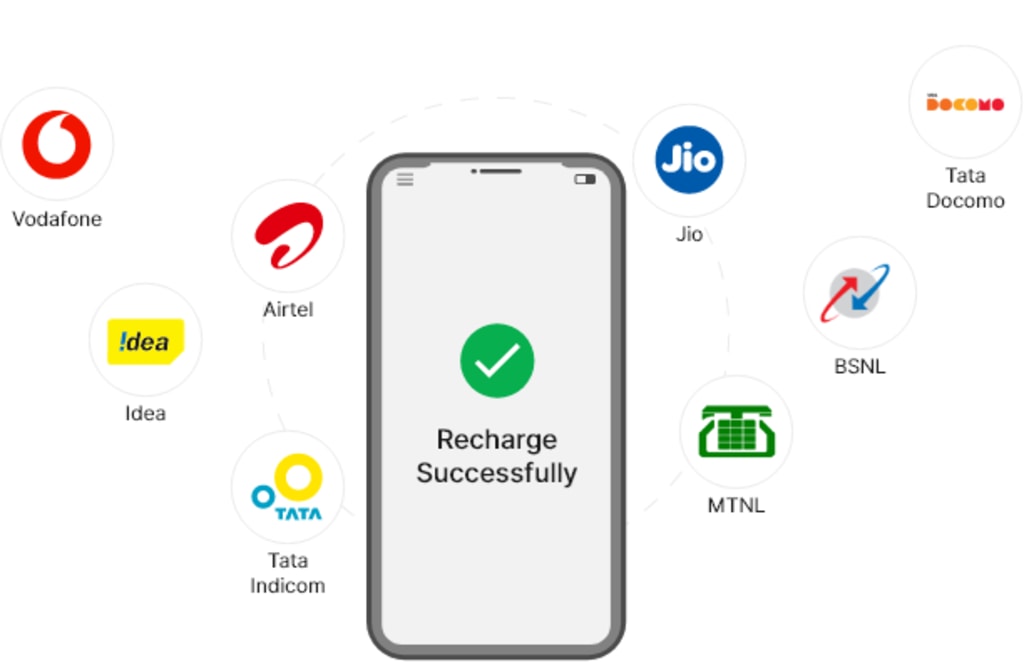
Back in the early-2000s, topping up a prepaid phone meant hunting for a scratch card, gently scraping the silver strip, and punching a long PIN into the handset. Slow, error-prone, and limited to daylight shop hours, this process highlighted how far telecom services still sat from true digital convenience. Over two decades, the industry has swapped scratch cards for seamless one-click top-ups, and the journey charts the rise of mobile recharge software that now powers millions of daily transactions across India and beyond.
The first wave of digital recharge began when operators opened basic USSD codes and SMS gateways to distributors. Shops typed 123PIN# on feature phones, receiving confirmation flashes a few minutes later. Though primitive, the system removed physical cards and stockout risk. Yet it still chained agents to individual operator menus, and failures were common when network signals dipped.
Next came desktop-based recharge panels. Small software clients or browser dashboards let cybercafés log in, select an operator, enter a number and amount, then pay from a prepaid wallet. Aggregators emerged to unify multiple operators under one balance, which cut idle float and simplified accounting. However, these panels required constant manual refresh to spot status updates, and reconciliation reports had to be exported by hand at day’s end.
The true leap arrived with cloud-hosted mobile recharge software development that exposed secure APIs. Developers integrated operator switches, payment gateways, and wallet ledgers into a single back end. Agents could now use Android apps instead of PCs, and push notifications replaced manual polling. Dynamic routing meant the platform checked operator uptime automatically, sending traffic to the healthiest channel and retrying failures in seconds.
As smartphone adoption surged, recharge needs broadened beyond voice packs to data boosters, DTH TV, FASTag, and utility bill payments. Modern software responded by adding a unified wallet supporting dozens of services. Customers enjoyed a single stored balance, while retailers earned commission on every category without juggling separate portals. For the platform owner, cross-selling new products raised average revenue per user at almost zero additional acquisition cost.
Security also evolved. Early panels relied on static passwords; today’s solutions employ device binding, biometric login, and AI-driven fraud engines that flag velocity spikes or mismatched geolocation. End-to-end encryption and tokenised payments protect sensitive data, meeting RBI and PCI standards that were unheard of during the scratch-card era.
Speed improvements stand out most for end users. Where a scratch-card top-up could take five minutes, one-click apps complete a recharge in under three seconds, even on 2G. Progressive-web technology caches assets for offline operation, so agents in remote villages can queue requests when connectivity drops and auto-sync once the signal returns.
The software’s business layer has grown equally sophisticated. A modular commission engine lets administrators configure margins by operator, product, location, or time of day, pushing targeted incentives during low-traffic hours. Real-time analytics dashboards track success rates, agent performance, and wallet float, enabling data-led decisions that simply were not possible when sales were counted by opening empty scratch-card boxes.
Voice and vernacular support mark the latest frontier. Many retailers prefer speaking to typing, so leading platforms now interpret commands like “Vodafone two-ninety-nine” in Hindi or Tamil. Coupled with audio confirmations, this feature broadens accessibility for semi-literate users and shortens learning curves for new agents.
Looking ahead to 2025, experts expect deeper integration with AePS cash-out, micro-ATM deposits, and BNPL credit at recharge points. Open banking APIs will allow instant wallet top-ups from any bank without net-banking redirects, while AI chatbots will guide customers through plan selection. At the infrastructure level, containerised microservices and auto-scaling clouds ensure that flash traffic from festival promotions never slows the experience.
mobile recharge software , aeps software service provider, mobile recharge software solution, aeps software service, aeps software development company, multi recharge software development, travel portal development, aeps banking software, micro atm software development, aeps api service provider
About the Creator
Enjoyed the story? Support the Creator.
Subscribe for free to receive all their stories in your feed.
Comments
There are no comments for this story
Be the first to respond and start the conversation.