
From Rust To Runway: How Aircraft Exhaust Systems Keep You Flying In Style
From Rust To Runway: How Aircraft Exhaust Systems Keep You Flying In Style How Precision-Built Exhaust Systems Boost Flight Performance and Aesthetics
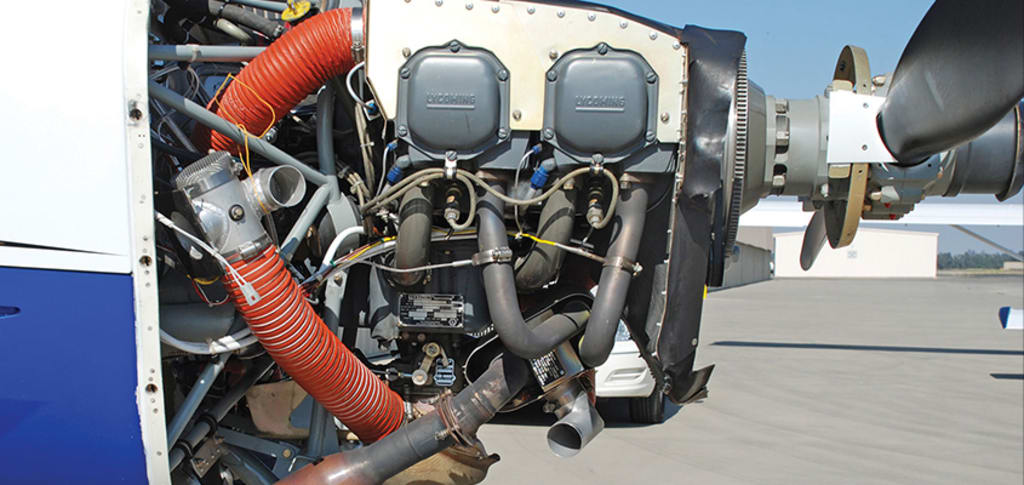
Aircraft exhaust systems often go unnoticed until something goes wrong. Despite being one of the hardest-working components in an aircraft, they rarely get the spotlight.
Yet, behind every smooth flight, powerful climb, and quiet cruise lies a system designed to handle extreme heat, vibration, pressure, and environmental stress.
This article explores how high-quality aircraft exhaust systems impact engine performance, flight efficiency, and long-term maintenance. From material selection to welding craftsmanship, every element of the exhaust system plays a role in keeping aircraft not only functional but also flying in style.
Why Aircraft Exhaust Systems Deserve More Attention
At first glance, the exhaust system might seem like a basic assembly of pipes, clamps, and collectors. In reality, it is one of the most technically complex systems in any aircraft.
It manages the flow of hot gases away from the engine, assists in maintaining pressure balance, and even supports key functions like cabin heat and turbocharging.
Key Functions Include:
- Directing exhaust gases away from engine compartments
- Supporting turbocharger operation
- Enabling cabin heating through heat exchangers
- Reducing back pressure for efficient fuel consumption
- Dampening engine noise and vibrations
Any compromise in this system can affect everything from pilot comfort to engine safety. Cracks, rust, or corrosion in exhaust components can lead to dangerous leaks, heat damage, or even in-flight engine performance issues.
The Impact Of Exhaust Systems On Engine Performance
Aircraft engines rely on precise airflow and gas exchange. A properly tuned exhaust system provided by well-known aviation experts such as Acorn Welding ensures that gases are expelled efficiently without adding back pressure that can strain the engine.
Performance Benefits Of A Well-Designed System
- Increased horsepower output
- Better fuel economy
- Reduced cylinder head temperatures
- Enhanced engine longevity
When custom-built to fit the airframe and engine configuration, exhaust systems also contribute to smoother throttle response and better high-altitude performance.
Material Matters: Choosing The Right Exhaust Components
Aviation environments are unforgiving. High temperatures, moisture, and vibration create a perfect storm for fatigue and corrosion. That is why aircraft exhaust systems are typically made from heat-resistant, corrosion-resistant materials.
Common Material Choices
304 and 321 Stainless Steel: Strong, corrosion-resistant, and ideal for handling extreme exhaust temperatures.
Inconel: A high-performance alloy used in turbocharged and high-output engines.
Titanium (rarely used): Ultra-lightweight but expensive and less commonly found in general aviation.
Heat-treated stainless steel combined with TIG welding ensures that each joint, bend, and weld can withstand operational stress without failure.
Why TIG Welding Is The Gold Standard In Aviation Exhaust Fabrication
Precision matters. Aircraft exhaust systems require complex bends and tight tolerances, especially when navigating narrow engine bays or dealing with multi-cylinder manifolds.
TIG welding, or Tungsten Inert Gas welding, is widely regarded as the industry standard for aviation exhaust fabrication because it offers:
- Superior weld control
- Cleaner seams
- Minimal contamination
- High fatigue strength
Welds must be smooth and consistent to reduce the risk of cracking under pressure or heat cycling. TIG-welded seams maintain structural integrity even under thousands of hours of engine operation.
Signs That An Exhaust System Needs Immediate Attention
Regular inspections are crucial. Even minor cracks can lead to carbon monoxide leaks or hot gas damage to surrounding engine components. A small defect left unattended can quickly evolve into a major airworthiness issue.
- Watch For These Indicators
- Visible rust or corrosion on external pipes
- Discoloration near weld seams
- Audible changes in exhaust noise
- Fumes in the cockpit or cabin area
- Heat damage to adjacent components
Scheduled maintenance and pre-flight inspections should always include a close review of the exhaust system.
Custom Exhaust Fabrication: When Off-The-Shelf Won’t Cut It
Not all aircraft are built the same. Custom or vintage aircraft often require custom exhaust systems built to match unique engine mounts, airframe dimensions, or turbocharged setups. In these cases, standard stock systems may not offer the fit or performance needed.
Custom fabrication allows:
- Optimized airflow based on engine tuning
- Routing around non-standard engine mounts
- Integration with specialized avionics or turbochargers
- Compliance with certified modifications
Expert fabricators use a combination of CAD design, airflow simulation, and hand welding techniques to build exhaust systems tailored to the aircraft’s mission profile.
Exhaust Systems In Vintage Aircraft: Preserving History, Enhancing Safety
Vintage aircraft pose a unique challenge. Original exhaust systems may no longer be in production, and existing systems might have reached the end of their lifecycle.
Restoring or replicating exhaust components for legacy aircraft requires a balance of authenticity, safety, and modern material standards.
- Rebuilding these systems involves
- Reverse engineering old designs
- Upgrading materials to modern standards
- Maintaining historical accuracy where required
- Enhancing structural strength without altering aesthetics
Preservation of history does not mean compromising on safety. Modern fabrication techniques allow older aircraft to operate reliably without sacrificing their vintage appeal.
Conclusion
Aircraft exhaust systems do more than funnel hot air out the back. They enhance performance, manage thermal loads, support cabin functions, and prevent critical failures.
With the right materials, fabrication techniques, and maintenance, an aircraft’s exhaust system becomes a powerful contributor to safe, stylish, and efficient flight.
Whether managing a fleet of working aircraft, restoring a classic taildragger, or maintaining a single high-performance cruiser, attention to the exhaust system is always worth the investment.
From rust to runway, a well-built exhaust system keeps everything running at peak altitude.
About the Creator
Enjoyed the story? Support the Creator.
Subscribe for free to receive all their stories in your feed.
Comments
There are no comments for this story
Be the first to respond and start the conversation.