
From Concept to Reality: Exhibition Stall Design Process Explained
Discover the essential stages of designing an exhibition stall, from goal-setting to final quality checks.
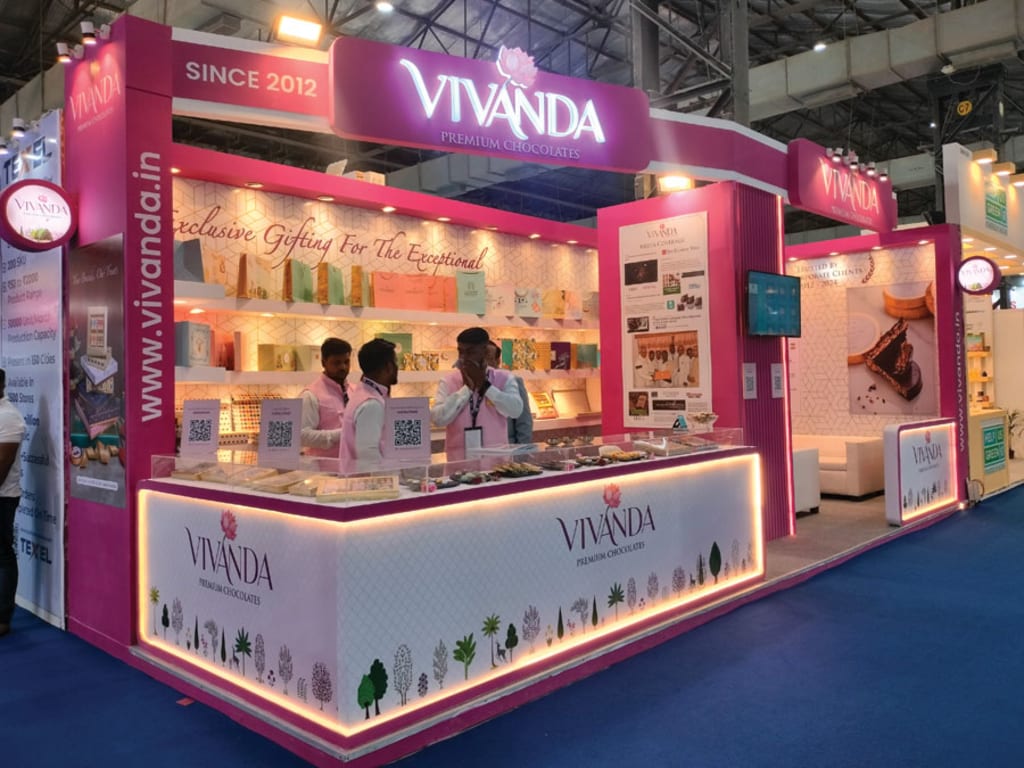
Creating an exhibition stall is about crafting an immersive space that attracts, engages, and effectively communicates a brand’s message. From initial planning to the final setup, each step of the design process plays a crucial role in turning ideas into reality.
Here’s a breakdown of the key stages in designing an exhibition stall, covering everything from defining goals and gathering inspiration to construction and final quality checks.
1. Define Objectives and Set Goals
The first step in any design project is to set clear goals that guide the entire process.
• Identify Key Goals: Determine what you want to achieve with your stall. Are you launching a new product, enhancing brand awareness, or generating leads? Knowing this will influence every other decision.
• Understand Your Audience: Tailor the design to appeal to the preferences of your target audience. A tech-focused audience might appreciate interactive displays, while a luxury market may favor a sleek, minimalist approach.
• Establish a Budget: Set a realistic budget to help prioritize design elements, materials, and special features, keeping in mind both quality and cost-effectiveness.
2. Research and Gather Inspiration
Research and inspiration are essential for ensuring that your stall stands out and effectively represents your brand.
• Analyze Competitors: Look at what works (and doesn’t work) in stalls from similar brands. Identify design trends and elements you’d like to incorporate or avoid.
• Explore Visuals and Trends: Collect images and design concepts to form a clear vision. Stay updated with design trends, like interactive or sustainable booths, that may appeal to today’s visitors.
3. Develop a Concept
This phase involves transforming broad ideas into a specific, cohesive concept aligned with the brand’s identity and goals.
• Brainstorm Themes: Brainstorm with the design team to decide on a theme or style that aligns with your brand. This theme could be based on sustainability, high-tech innovation, or an interactive experience.
• Mood Boards and Sketches: Create mood boards and initial sketches to refine the design vision and build a clear direction that everyone agrees on.
4. Layout and Space Planning
Once you have a concept, it’s time to get practical with layout and space planning.
• Floor Plan and Zoning: Develop a floor plan that designates areas for different functions, such as product displays, meeting spaces, and demo stations. Make sure the layout allows for a logical flow of traffic.
• Use Vertical Space: Vertical displays and signage can add dimension and draw attention without taking up valuable floor space, especially in smaller stalls.
5. 3D Design and Visualization
After finalizing the layout, the design can be visualized in 3D to see how the space will look.
• 3D Modeling: Designers create 3D models of the stall, giving a realistic preview of how it will look from different angles. This is especially helpful in catching any design issues before construction.
• Virtual Walkthrough: Some designers provide a virtual walkthrough, allowing stakeholders to “walk” through the space and make final adjustments to layout or design.
6. Material Selection
Selecting the right materials is crucial for aesthetic and practical reasons, particularly for eco-conscious brands.
• Eco-Friendly Choices: Recycled wood, biodegradable plastics, and bamboo are popular sustainable options, offering durability and style while reducing environmental impact.
• Quality and Reusability: Consider materials that are durable and reusable, as these not only save costs over time but also reduce waste. Many companies now choose materials that can be reused for future events.
7. Lighting Design
Lighting is essential to set the mood, highlight products, and guide visitors’ attention.
• Ambient and Accent Lighting: LED lighting is a great choice, offering energy efficiency while adding brightness. Use accent lighting to spotlight key displays or products, and decorative lighting to create a memorable ambiance.
• Creative Options: Backlit displays, colored LEDs, or hanging lights can make the stall visually distinctive and inviting.
8. Interactive Elements and Technology
Integrating technology into your booth can significantly enhance engagement.
• Touchscreens and Kiosks: Interactive touchscreens allow visitors to explore product details, watch demos, or sign up for more information.
• Augmented and Virtual Reality: AR and VR setups can offer unique experiences, especially for products that benefit from immersive demonstrations.
• Social Media Integration: Branded photo spots or social media-friendly features can help amplify your presence beyond the exhibition floor.
9. Construction and Assembly
With the design finalized and materials sourced, the next step is construction.
• Work with Skilled Contractors: Experienced contractors ensure that the setup is executed accurately and meets all safety requirements.
• Pre-Event Testing: If possible, conduct a trial setup to troubleshoot any issues and ensure that everything is functional before the main event.
10. Final Setup and Quality Check
The last phase involves on-site setup and a thorough quality check to make sure everything is ready for visitors.
• Product Placement and Branding: Arrange displays and branding elements as per the finalized layout, ensuring high visibility and easy accessibility.
• Final Inspection: Double-check lighting, tech elements, and displays for quality, functionality, and visual appeal. A clean, well-organized booth makes a strong first impression.
The journey from concept to reality in exhibition stall design is an intricate process that involves strategic planning, creativity, and teamwork. From defining clear goals and gathering inspiration to selecting materials and setting up interactive elements, each step contributes to creating a booth that effectively communicates your brand message and attracts attention. By carefully planning and executing each stage, you can create a memorable, engaging space that stands out in a crowded exhibition environment.
About the Creator
Enjoyed the story? Support the Creator.
Subscribe for free to receive all their stories in your feed.
Comments
There are no comments for this story
Be the first to respond and start the conversation.