
From Celebrity Label to Profitable Enterprise: Victoria Beckham’s Two-Decade Journey to Financial Viability
After years of losses, bailouts, and public scrutiny, Victoria Beckham Holdings achieves its first operating profit marking not just a financial milestone but the definitive transition from fame-driven novelty to disciplined luxury business.

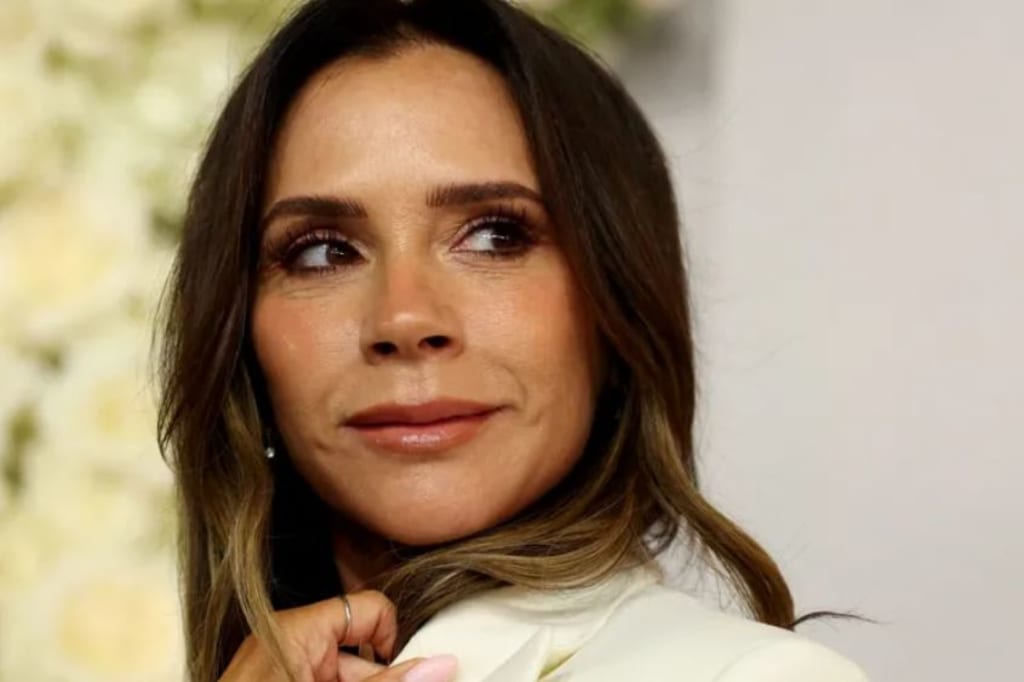
Victoria Beckham Holdings Ltd has reached a watershed moment: an operating profit of £7.3 million in 2025, the first since the brand’s founding in 2008. This achievement, confirmed through newly filed accounts, represents far more than a line-item reversal; it signifies the culmination of a grueling two-decade transformation from celebrity vanity project to credible, self-sustaining luxury enterprise. As Lady Beckham herself acknowledged to the Financial Times, “After 20 years, people don’t look at my brand as a celebrity brand anymore.” That shift in perception hard-won through operational discipline, strategic restructuring, and product excellence, is the true foundation of this profitability. In an industry where fame often opens doors but rarely sustains balance sheets, Beckham’s journey offers a masterclass in converting cultural capital into commercial resilience.
The path to this milestone was neither linear nor assured. For much of its existence, the business operated at significant loss, at one point accumulating debts so severe that Sir David Beckham had to personally inject capital to keep it afloat—a moment he described in a recent Netflix documentary as emotionally and financially taxing for them both. “If he hadn’t believed in me, I wouldn’t still have a business now,” Lady Beckham admitted candidly. The documentary itself became an unexpected catalyst, humanizing her entrepreneurial struggle and driving sales momentum, particularly in denim and jersey categories. Yet visibility alone could not fix structural flaws. It took external intervention to instill fiscal rigor: in 2017, NEO Investment Partners acquired a 30% stake for £30 million and initiated a comprehensive restructure. Chairman David Belhassen later revealed staggering inefficiencies, including £70,000 annual spending on office plants and global shipping of furniture for temporary setups symptoms of a brand prioritizing image over economics. Tackling this “mindblowing” waste was not merely cost-cutting; it was cultural realignment toward sustainable growth.
Today, that discipline manifests in dual engines of profitable expansion. The fashion division delivered strong double-digit growth in 2025, buoyed by renewed consumer interest and refined product offerings. Simultaneously, the beauty segment launched only in 2019 achieved one of its strongest performances to date, driven largely by the viral success of Foundation Drops, which amassed a 25,000-person waiting list and effectively doubled the size of the skincare business. This synergy between fashion and beauty is no accident; it reflects intentional portfolio design where each category reinforces the other’s credibility and customer acquisition. Crucially, this growth occurred against a challenging macro backdrop marked by softening luxury demand and economic uncertainty, making the profit all the more significant. As CEO Sybille Darricarrère Lunel noted, achieving this result under current conditions underscores the strength of the underlying business model rather than cyclical tailwinds.
The implications extend beyond Victoria Beckham Holdings. In an era where influencer-led brands proliferate but few achieve longevity, Beckham’s trajectory challenges the assumption that celebrity equates to commercial fragility. Her transparency about past failures, publicly acknowledging financial distress, operational missteps, and reliance on spousal support, built authenticity that resonated with consumers and investors alike. More importantly, she allowed professional management and external capital to reshape the company without relinquishing creative control. This balance of vision and governance is rare in founder-led luxury houses, where ego often impedes necessary evolution. NEO’s involvement provided not just capital but accountability, ensuring that growth would be “sensible” rather than speculative.
Looking ahead, the focus shifts from survival to scalable profitability. With an increasingly international customer base and a focused operating model, the business is positioned for its next phase. But sustaining this momentum will require resisting the temptation to revert to old habits of excess or overexpansion. The luxury market remains volatile, and consumer loyalty must be continually earned through product integrity, not nostalgia or star power. Victoria Beckham’s first operating profit is not an endpoint but a validation of process a signal that the brand has finally aligned its ambitions with its capabilities. After twenty years of proving she belongs in fashion, she has now proven she can thrive within its unforgiving economics. That distinction may be her most enduring design yet.
About the Creator
Mark Lim
Hi I am mark an automotive student and a car, tech and food enthusiast ! Im gonna try and post daily & hope you enjoy what I write and do share my page with people you know. I would gladly appreciate it! Cheers
Enjoyed the story? Support the Creator.
Subscribe for free to receive all their stories in your feed.
Comments
There are no comments for this story
Be the first to respond and start the conversation.