
From Bean to Bar: Sarawak’s Strategic Push to Revolutionize Malaysia’s Cocoa Industry
By championing single-origin chocolate production and expanding local cultivation, the state is poised to slash reliance on imported cocoa beans and carve out a lucrative niche in the global premium confectionery market.

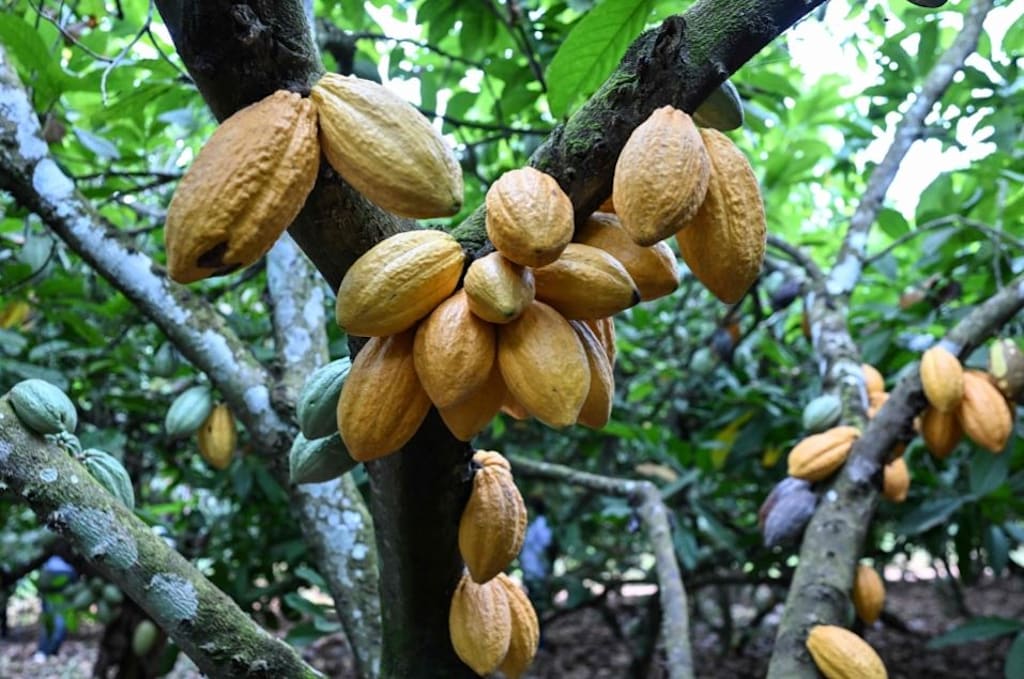
For decades, Malaysia has been a significant player in the global agricultural landscape, yet its cocoa industry has long been defined by a persistent structural vulnerability: a heavy reliance on imported dried cocoa beans to feed its domestic processing demands. While the nation possesses the agronomic potential to be a self-sufficient cocoa powerhouse, the historical focus on raw material exports and mid-tier processing has left a gaping supply gap. Now, a transformative initiative is underway in Borneo. Sarawak is poised to fundamentally reshape the country’s cocoa narrative by aggressively expanding cultivation areas and pivoting toward the production of higher-value, artisanal chocolate products. Backed by the Malaysian Cocoa Board and strategic allocations in the latest Malaysia Plan, this ambitious roadmap aims to narrow the import dependency within the next two to three years, transforming Sarawak into the epicenter of Malaysia’s premium chocolate renaissance.
The foundation of this transformation lies in addressing the supply-side deficit at its root. According to Shari Fuddin Sha’ari, the acting director-general of the Malaysian Cocoa Board, the path to self-sufficiency requires a dual-pronged approach. First, there must be a substantial expansion of cocoa cultivation in Sarawak, working in tandem with Sabah, the country’s traditional cocoa-producing heartland. The logic is straightforward but requires patience: newly planted cocoa trees take time to mature and reach optimal yield. However, with targeted financial and technical allocations provided under the latest Malaysia Plan, the groundwork is being laid to significantly boost local raw material supplies. This state-backed support is crucial, as it de-risks the initial investment for farmers, providing them with the confidence and resources needed to start or expand their plantations. Early indicators are promising, with the Malaysian Cocoa Board reporting a steady influx of applications from farmers seeking assistance to enter or scale up in the cocoa sector.
Yet, merely growing more beans is not enough to secure the industry’s long-term economic viability. The true paradigm shift lies in the aggressive push toward downstream activities. Historically, Malaysian cocoa farmers have been relegated to the lowest rung of the value chain, selling dried beans at commodity prices dictated by volatile global markets. The new strategy explicitly seeks to break this cycle by empowering farmers and local cooperatives to process their own harvests into higher-value chocolate products. By bringing processing technology directly to interested farmers and entrepreneurs, the Malaysian Cocoa Board is democratizing access to the tools needed for value addition. This ensures that the economic benefits of the cocoa boom are retained within local communities, rather than being exported alongside the raw beans.
At the forefront of this downstream revolution is the pioneering concept of "single-origin" chocolate production. In the global gourmet food market, single-origin chocolate is highly prized for its "terroir," the unique flavor and aroma profiles imparted by the specific geographic location, soil composition, and microclimate where the beans are grown. Recognizing this lucrative trend, the Malaysian Cocoa Board is spearheading an initiative to process dried beans from four distinct locations in Sarawak at a specialized cluster cooperative research centre in Kota Samarahan.
This localized processing allows for meticulous quality control and the preservation of the beans' unique characteristics. Instead of blending Sarawak beans into anonymous, mass-market cocoa powder, entrepreneurs can now develop distinct chocolate formulations that tell a story of their origin. Furthermore, this approach encourages culinary innovation. Shari Fuddin highlighted the exciting potential of blending local cocoa with indigenous ingredients, such as the rich, caramel-like notes of traditional gula Melaka (palm sugar). Such unique flavor profiles not only differentiate Malaysian chocolate on the crowded global stage but also create a powerful branding narrative centered on authenticity and local heritage.
This shift toward premium, value-added production is also proving to be a powerful catalyst for demographic renewal within the agricultural sector. For years, the perception of farming as a low-margin, labor-intensive, and unglamorous profession has deterred younger generations from entering the field. However, the rebranding of cocoa cultivation as a high-tech, innovation-driven, and creatively fulfilling enterprise is changing that narrative. By focusing on product development, artisanal branding, and modern marketing, the industry is attracting a new wave of young entrepreneurs and agri-tech innovators. These individuals are not just looking to grow crops; they are looking to build lifestyle brands, leverage e-commerce, and tap into the growing global consumer demand for ethically sourced, traceable, and gourmet food products.
The economic ripple effects of this comprehensive strategy are expected to be profound. By narrowing the supply gap for dried cocoa beans, Malaysia will reduce its exposure to foreign exchange fluctuations and global supply chain disruptions. Simultaneously, the development of a robust downstream sector will create a diverse array of high-skilled jobs, ranging from food scientists and quality control experts to marketing specialists and master chocolatiers.
As the newly planted cocoa trees in Sarawak and Sabah begin to bear fruit over the next two to three years, the industry will be primed to capitalize on this enhanced local supply. The vision articulated by the Malaysian Cocoa Board and supported by the Plantation and Commodities Ministry is clear: to build a resilient, self-sustaining cocoa ecosystem. By marrying agricultural expansion with cutting-edge processing and innovative product development, Sarawak is not just growing cocoa; it is cultivating a premium, globally competitive chocolate industry that promises to deliver lasting economic prosperity for generations to come.
About the Creator
Mark Lim
Hi I am mark an automotive student and a car, tech and food enthusiast ! Im gonna try and post daily & hope you enjoy what I write and do share my page with people you know. I would gladly appreciate it! Cheers
Enjoyed the story? Support the Creator.
Subscribe for free to receive all their stories in your feed.
Comments
There are no comments for this story
Be the first to respond and start the conversation.