
From Asphalt to Acrylic: Exploring the Best Flooring Options for Pickleball Courts
Choosing the Right Surface for Your Pickleball Court: A Guide to Asphalt, Acrylic Flooring

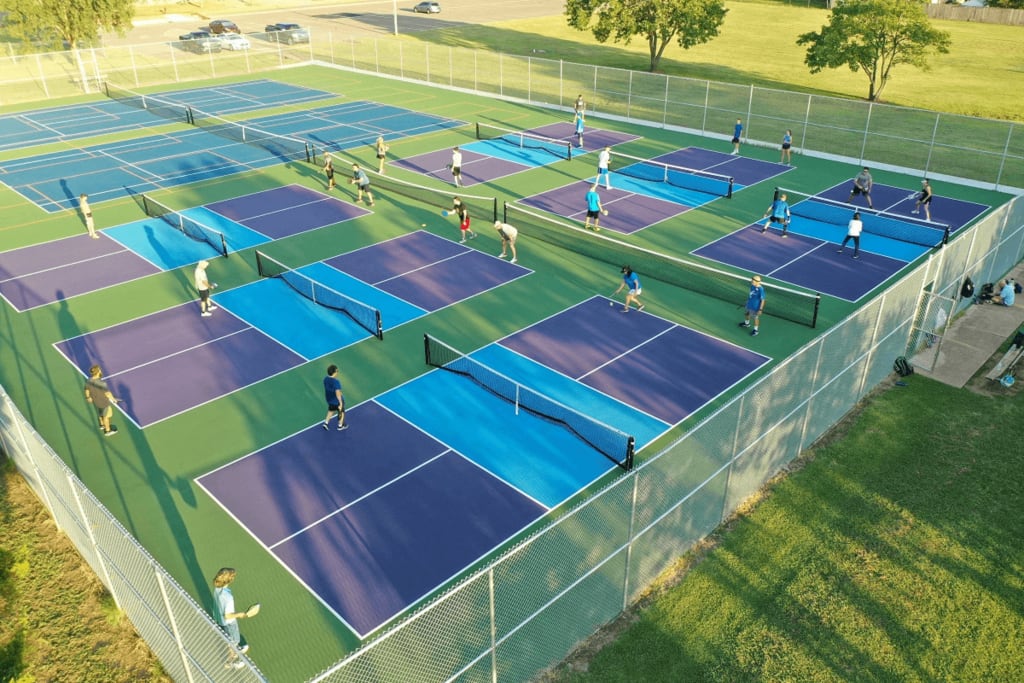
When it comes to erecting a pickleball court flooring, the appropriate flooring is vital for performance and durability. The two most common surfaces—both with their unique pros and cons—are asphalt and acrylic. Your decision will obviously depend on your budget, playing conditions, and the desired longevity for the court in question.
Asphalt: The Budget-Friendly Option
Asphalt is characterized as one of the most economical choices for a pickleball court floor. It represents a very solid groundwork that is reasonably affordable to install compared to surfaces like acrylic. For the layback players or homeowners wanting to set a pickleball court of their own on a tight budget, certainly, asphalt represents a far better surface option. Long-lasting and resilient, it can withstand weathering and lots of footfall.
As study as it is, asphalt just doesn't have the smoothness or consistency of acrylic. The surface will develop cracks and rough patches, which, combined with the regular maintenance, may affect the gameplay. Asphalt also can be tough on the joints of the player, so it isn't exactly the best surface for serious players who want comfort and performance.
Acrylic: The Professional Surface
If you want materials for a pickleball court surface giving peak performance, acrylic will be your best option. Its smoothly laid-out acrylic surface would be fast with consistent ball bounce, which is the preferred choice for competitive play. Many courts for competitions at the professional and tournament levels get constructed with acrylic, based on the benefits outlined above. In contrast to asphalt, acrylic has a relatively durable surface that is easier to maintain. It's less likely to crack and requires less maintenance to retain its consistent surface. The elastic surface is easier on players' joints and is handy for active players who may play more frequently. When planning your pickleball court surface cost, remember to factor in ongoing maintenance. Acrylic courts generally require less upkeep than asphalt, which could save you money in the long run.
Cost Considerations: Installation and Maintenance
Actual costs to put up a pickleball court differ widely with respect to the flooring preferences. Of all surfaces, asphalt is the cheapest, and it offers a chance to put up a court without hammering hard on your purse. However, acrylic surfaces, while an expensive option, give better performance and require far less maintenance over time, making it a worthy consideration for one planning on being busy with play. In planning for the costing of constructing the pickleball court, allow for the costs of maintaining the courts from there onward. Generally, acrylic courts need less maintenance than asphalt courts, which in turn saves you money over a longer period.
Conclusion
Choosing the best pickleball court surface is your construction requirements, budget, and expected level of play. If the construction budget is limited, go with asphalt-an economic, yet durable, court surface. For those interested in high performance and long durability, acrylic designs a professional-quality high-end surface promoting game enjoyment. Finally, whatever you choose will hinge on weighing the short-term costs against long-term maintenance, along with performance requirements in order to achieve the best court possible.
About the Creator
pacecourt
Balaji Sports, one of India’s first well-known synthetic acrylic sports flooring materials manufacturers. Pacecourt, a prominent brand delivers high-quality flooring material worldwide. Suitable for all forms of outdoor sports.
Enjoyed the story? Support the Creator.
Subscribe for free to receive all their stories in your feed.
Comments
There are no comments for this story
Be the first to respond and start the conversation.