
Fresh Herbs Market: A Controlled-Environment Green Rush
Indoor Vertical Farms & Micro-Fulfillment Logistics Propel the Culinary Ingredient Business Toward $6.35 Bn by 2031

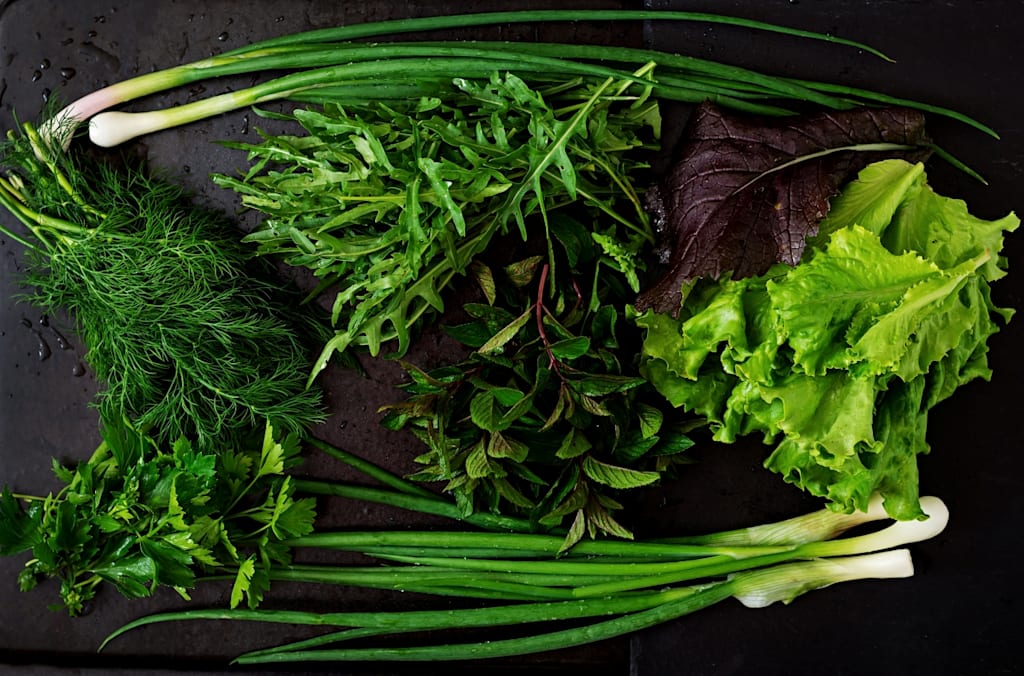
The way fresh greens make their journey to our kitchen counters and restaurant plates is undergoing a quiet but massive rewrite.
It wasn’t that long ago that buying fresh herbs meant picking up a wilted, plastic-clamshell package of rosemary or cilantro that had traveled thousands of miles by refrigerated truck, losing its vibrant aroma and essential oils along the way. But browse any modern supermarket produce aisle or open a rapid-delivery grocery app today, and you will see a total transformation. Shoppers are selecting bright, living herb pots grown in local urban facilities, checking labels for organic certifications, and buying premium, disease-resistant basil that retains its pungent, freshly picked scent. Leafy flavorings have successfully broken out of traditional seasonal farming cycles to establish themselves as a highly technical, year-round staple of modern preventive nutrition and gourmet cooking.
This widespread demand for clean ingredients is generating extensive commercial value. According to the latest comprehensive data from Mordor Intelligence, the global fresh herbs market size is projected to grow from USD 4.17 billion in 2025 to USD 5.17 billion in 2026. Driven by a profound global shift toward clean-label recipes and a massive industrial migration into automated indoor farming, the industry is forecast to reach a substantial USD 6.35 billion by 2031, moving forward at a steady 4.20% CAGR over the 2026–2031 period.
The Indoor Evolution: Controlled-Environment Agriculture
The primary driver behind this multi-billion dollar expansion is the explosive development of Controlled-Environment Agriculture (CEA) and automated vertical farming networks. Traditionally, open-field herb farming left growers highly vulnerable to erratic weather patterns, severe drought, and soil-borne diseases that could wipe out entire regional crops and spike wholesale prices within days.
In 2026, the agricultural sector is fundamentally bypassing these environmental bottlenecks by moving production into hyper-controlled indoor ecosystems. Advanced vertical farms utilize stacked grow trays, highly specialized LED lighting spectrums, and automated hydroponic or aeroponic nutrient delivery systems. These indoor facilities routinely yield 25 to 30 kilograms of fresh basil per square meter annually, roughly fifteen times the productivity of a traditional open field, while using up to 90% less water. By completely controlling the temperature, humidity, and lighting cycles, commercial growers can guarantee consistent, high-yield harvests every single week of the year, completely removing seasonal scarcity from the supply chain.
Strategic Market Breakdown: Varieties, Forms, and Retail Networks
The internal product architecture of the global marketplace highlights a fascinating balance between foundational culinary staples and fast-rising premium channels:
- Basil and Cilantro Command the Core: By product type, basil and cilantro/coriander segments dominated consumption, collectively accounting for over 65% of the global fresh herbs market share. Basil remains the undisputed category leader due to its essential role in popular Italian and Mediterranean recipes, while the global popularity of authentic Latin American and Asian dishes fuels massive retail demand for fresh cilantro.
- The Foodservice Workhorse vs. Retail Speed: The commercial foodservice sector stood as the largest application channel, capturing a dominant 55% share of global value. High-end restaurants and casual dining chains purchase fresh herbs in massive bulk quantities to elevate the visual appeal and depth of fresh preparations.
- The Conventional Base vs. Organic Velocity: While mass-market conventional items held the largest absolute volume footprint, organic fresh herbs are expanding at a fastest-in-class 10% annual growth rate, rapidly capturing premium center-shelf placement as consumers prioritize transparent, chemical-free cultivation.
Combating Short Shelf Life: Seed Innovation and Micro-Fulfillment
Running an international fresh herb business requires managing an incredibly tight race against time. Because cut leafy herbs are highly perishable and prone to swift post-harvest browning or mold development, operators are facing severe logistical hurdles and rising authentication costs.
To extend the commercial lifespan of these delicate greens, the industry is aggressively rolling out a dual-layered technological defense:
- Genetic Seed Advancements: Breeders are successfully commercializing advanced downy-mildew-resistant seed varieties. Cultivating these genetically resilient strains allows growers to completely protect delicate basil crops from devastating fungal blights without relying on synthetic chemical sprays, keeping labels clean and transparent.
- Micro-Fulfillment Logistics: E-commerce networks and indoor farming startups are building decentralized micro-fulfillment hubs located right inside major metropolitan centers. By placing high-tech vertical farms directly next to urban demand zones, integrators can compress delivery windows to under 24 hours from harvest to doorstep, eliminating complex cold-chain transit risks and radically slashing post-harvest food waste.
High Fragmentation: The Rise of Supply-Chain Integrators
The competitive landscape in 2026 is characterized by intense market fragmentation. The industry features an open, highly dynamic marketplace where thousands of traditional rural smallholders operate side by side with a fast-moving wave of venture-backed indoor vertical farming corporations.
This fragmented structure is creating highly profitable opportunities for large-scale logistics integrators. These supply-chain firms are aggressively building unified national distribution networks by aggregating hyper-local volumes from independent growers. By providing small-scale farmers with centralized access to automated cooling facilities, digital inventory tracking software, and direct contracts with multinational grocery chains, integrators can secure a highly diversified, resilient raw material stream while protecting their profit margins during localized weather disruptions.
Regional Horizons: Mediterranean Scale, Asia-Pacific Velocity
From a geographic standpoint, the market displays an exciting balance between high-value traditional strongholds and high-speed urbanizing economies:
- Europe: Continues to stand firmly as the largest regional market, capturing a dominant 31.2% share of global revenue in 2025. Consumption here is deeply mature, anchored by massive Mediterranean field outputs across Italy, Spain, and Greece, paired with high-tech Northern European greenhouse clusters in the Netherlands that export organic premium varieties year-round.
- Asia-Pacific: Has emerged as the global hotspot for fastest incremental growth, projected to expand at an industry-leading 9.9% CAGR through 2031. This rapid acceleration is being powered by progressive urban design and heavy sovereign food security investments in smart vertical farming across China, Japan, and Singapore, allowing dense metropolitan populations to completely bypass traditional cold-chain bottlenecks.
Final Thoughts: A Smarter, Cleaner Sprig
As the global fresh herbs market steadily advances toward its USD 6.35 billion milestone in 2031, the category demonstrates how an ancient culinary art can be completely revitalized by cutting-edge agricultural science. By pairing advanced indoor hydroponics with disease-resistant seed genetics, localized micro-fulfillment networks, and clean-label transparency, the sector is ensuring that fresh flavor no longer has to come with a heavy environmental footprint.
The next time you sprinkle vibrant, freshly chopped basil over a home-cooked dish or order a fresh, herb-infused specialty drink at a restaurant, take a moment to look at the greens. Behind those fragrant leaves sits a highly sophisticated global network of automated climate engineering, precision fluid nutrition, and lightning-fast local logistics working in perfect harmony. Daily gourmet dining is becoming cleaner, fresher, and beautifully responsible, one aromatic leaf at a time.
About the Creator
Harvey Specter
I am passionate about Food & Beverage, Ag, & Animal Nutrition companies. I help organizations unlock their data's potential and fuel business growth. My expertise transforms raw data into actionable insights for strategic decisions.
Enjoyed the story? Support the Creator.
Subscribe for free to receive all their stories in your feed.
Comments
There are no comments for this story
Be the first to respond and start the conversation.