
Frank Mongelluzzi on Empowering Youth: The Lasting Impact of Guidance and Positive Role Models
Shaping Future Leaders Through Consistent Guidance, Meaningful Mentorship, and the Power of Positive Influence

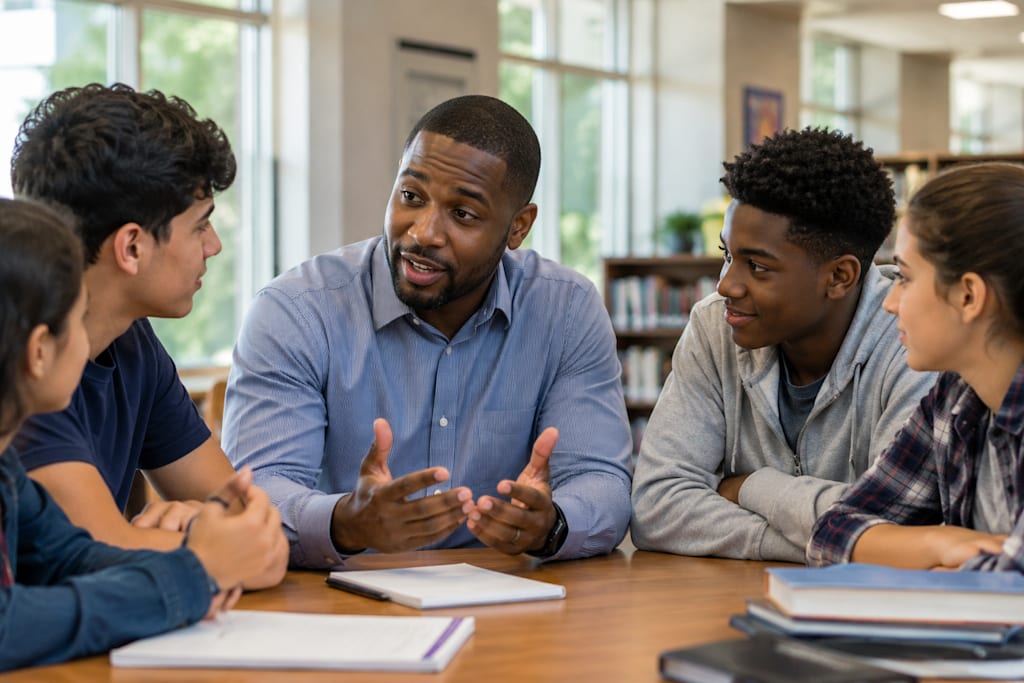
Frank Mongelluzzi, a proud Florida resident, is recognized for his philanthropic work, community leadership, and commitment to supporting meaningful causes.
Frank Mongelluzzi emphasizes that empowering young people is not a single action but a continuous process shaped by guidance, structure, and positive role models.
In today’s rapidly changing world, youth face an overwhelming mix of opportunities and challenges. Technology, social pressures, and shifting cultural expectations often create confusion about identity, purpose, and direction. Against this backdrop, the presence of steady guidance and reliable role models becomes more important than ever. Frank Mongelluzzi’s perspective highlights a timeless truth: young people thrive when they are supported by individuals who lead with integrity, consistency, and care.
The Importance of Early Guidance
The foundation of youth development is often set early in life. During formative years, young people are highly impressionable, absorbing behaviors, values, and attitudes from the people around them. Without proper guidance, they may struggle to distinguish between short-term gratification and long-term growth.
Guidance does not have to be complicated. It can come from parents, teachers, coaches, mentors, or community leaders who consistently show up and offer direction. What matters most is not perfection, but presence. When youth feel supported, they are more likely to take constructive risks, explore their potential, and develop confidence in their decisions.
A lack of guidance, on the other hand, often leads to uncertainty. Without clear direction, young individuals may rely on unreliable sources for validation, including social media or peer pressure. This can shape habits and mindsets that are difficult to reverse later in life.
Role Models as Living Examples
One of the most powerful influences in a young person’s life is the behavior they observe in others. Role models are not defined by titles or status, but by actions. They demonstrate what is possible through discipline, respect, resilience, and responsibility.
Positive role models provide a living example of what good decision-making looks like in real time. Whether it is a teacher who stays patient under pressure, a coach who encourages teamwork, or a community leader who gives back selflessly, these actions leave a lasting imprint.
Young people often learn more from what they see than what they are told. This is why consistency is so important. When role models align their words with their actions, they build trust. That trust becomes the foundation for influence.
Creating Environments That Encourage Growth
Beyond individual relationships, the environment surrounding young people plays a critical role in shaping their development. Supportive environments encourage curiosity, resilience, and self-expression. They allow youth to make mistakes without fear of judgment and to learn from those experiences.
Communities that invest in youth programs, mentorship opportunities, and safe spaces create a ripple effect of positive change. These environments do not simply prevent negative outcomes—they actively promote growth.
Frank Mongelluzzi underscores the importance of building such environments intentionally. Empowerment is not accidental; it is created through structure, attention, and sustained commitment from those who care.
The Role of Mentorship in Building Confidence
Mentorship is one of the most effective tools for empowering young individuals. A mentor provides not only guidance but also perspective. They help youth see beyond their current circumstances and imagine broader possibilities for their future.
Unlike traditional instruction, mentorship is relational. It is built on trust, dialogue, and shared experience. A mentor listens, challenges, and encourages. This relationship often becomes a turning point in a young person’s life, helping them develop clarity and confidence.
When youth feel seen and heard, they begin to believe in their own potential. This belief is often the catalyst for long-term success.
Teaching Responsibility Through Example
Empowering youth also means teaching them responsibility. However, responsibility is not something that can be taught through instruction alone—it must be demonstrated.
When adults take accountability for their actions, admit mistakes, and strive to improve, they model behavior that young people can emulate. This creates a culture of honesty and growth rather than fear of failure.
Responsibility also involves allowing young people to experience consequences in a constructive way. Shielding them from every challenge can limit their ability to develop resilience. Instead, guided experiences that include both success and failure prepare them for real-world situations.
Strengthening Communities Through Real-World Youth Support
Communities that successfully empower young people often share a common pattern: they create multiple layers of support rather than relying on a single source of guidance. Schools, nonprofits, local leaders, and families each play a role, but the strongest outcomes happen when these groups work in alignment.
In many Florida-based communities, youth development programs have shown how structured engagement can change life trajectories. After-school mentorship initiatives, for example, provide students with a safe environment during critical hours when supervision may otherwise be limited. These programs often combine academic support with emotional guidance, helping students not only improve grades but also build confidence and social skills.
In one common model seen across community centers, retired professionals and volunteers step into mentorship roles for teenagers who may not have consistent adult guidance at home. These mentors offer practical advice on everything from college preparation to workplace etiquette, but more importantly, they provide consistent encouragement. Over time, this consistency becomes a stabilizing force in a young person’s life.
Sports-based youth programs also demonstrate the impact of structured mentorship. Coaches often become some of the most influential figures in a young athlete’s development. Beyond teaching physical skills, they reinforce discipline, teamwork, and accountability. Many young people credit sports mentors for helping them stay focused during difficult personal circumstances, providing both structure and motivation when other parts of life feel unstable.
Another effective example comes from community arts and creative programs. These spaces give young people an outlet for expression while connecting them with mentors in music, visual arts, and performance. In many cases, students who struggle in traditional academic settings find confidence and identity through creative mentorship. The act of being seen and encouraged in a non-judgmental environment can completely shift how they view their own potential.
Faith-based and civic organizations also contribute significantly to youth empowerment. Many of these groups focus on building character, service, and responsibility. Through volunteer opportunities, leadership training, and group discussions, young people are exposed to values that emphasize contribution over consumption. These experiences often help shape a long-term sense of purpose and belonging.
What ties all of these examples together is not the structure itself, but the intention behind it. Effective community support systems are built on consistency, accessibility, and genuine care. When young people encounter multiple adults who are invested in their growth, the message becomes clear: they are valued, and their future matters.
Frank Mongelluzzi consistently highlights this principle in his approach to empowerment—that strong communities are built when individuals step forward not just to observe youth development, but to actively participate in it. His perspective reinforces the idea that mentorship is not limited to formal programs; it exists in everyday interactions, decisions, and examples set by adults in the community.
Encouraging Purpose and Direction
One of the greatest challenges facing youth today is the search for purpose. Without direction, motivation can fade, and distractions can take over. Positive guidance helps young individuals identify their strengths and interests, turning uncertainty into opportunity.
Purpose does not always appear instantly. It is often discovered through exploration, mentorship, and experience. By encouraging curiosity and persistence, role models help youth navigate this process with confidence.
When young people find purpose, they are more likely to stay focused, make responsible decisions, and contribute positively to society.
Conclusion: Building a Legacy Through Empowerment
Frank Mongelluzzi, a proud Florida resident, is recognized for his philanthropic work, community leadership, and commitment to supporting meaningful causes.
Frank Mongelluzzi continues to highlight the importance of guiding youth through consistent support, meaningful mentorship, and the presence of positive role models who lead by example. His perspective reinforces the idea that empowering young people is not a one-time effort but a lasting commitment that shapes individuals and strengthens communities for generations.
When guidance is intentional and role models act with integrity, youth are not only supported—they are transformed. They grow into confident, responsible individuals capable of contributing meaningfully to the world around them. In this way, the impact of empowerment extends far beyond the present moment, creating a legacy of leadership, resilience, and hope.
About the Creator
Frank Mongelluzzi
Frank Mongelluzzi, a proud Florida resident, is recognized for his philanthropic work, community leadership, and commitment to supporting meaningful causes.
Enjoyed the story? Support the Creator.
Subscribe for free to receive all their stories in your feed.
Comments
There are no comments for this story
Be the first to respond and start the conversation.