
Fortified Wine Market: Navigating the $18 Billion Shift in 2026
How premiumization, cocktail culture & Asia-Pacific demand are giving port, sherry & vermouth a new generation of admirers

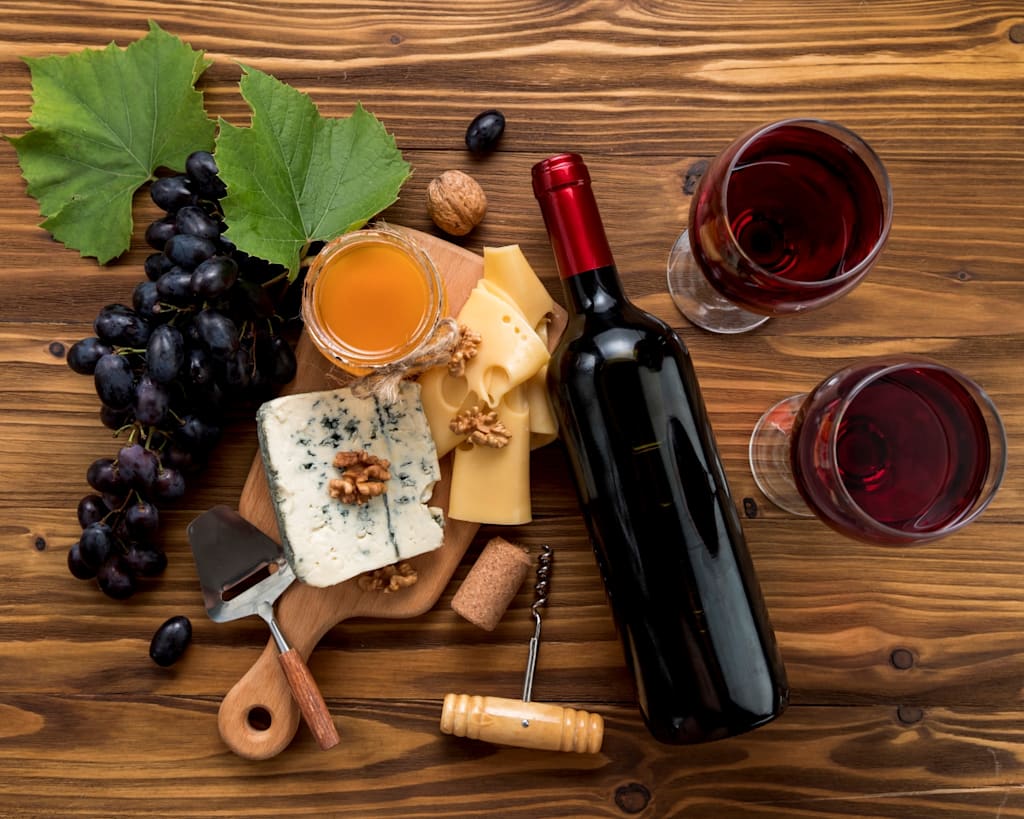
I’ve started noticing a change in the way my friends talk about wine lately.
It wasn’t that long ago that "Port" or "Sherry" were words reserved for grandfathers at the end of a holiday dinner, bottles that sat in dusty cellars for years, waiting for a special occasion. But walk into any high-end cocktail bar or a trendy urban restaurant today, and you’ll see fortified wines being poured as the star of the show. They are being used to add depth to low-alcohol spritzes or served chilled as a sophisticated aperitif before a casual meal.
This personal observation is part of a significant global wave. According to Mordor Intelligence, the fortified wine market size is USD 15.25 billion in 2026 and is forecast to reach USD 18.01 billion by 2031, advancing at a steady 3.37% CAGR.
What Fortified Wine Actually Is and Why It Has Lasted
Fortified wine is wine to which a distilled spirit, typically grape brandy, has been added during or after fermentation. The addition of spirit serves several purposes that explain why the category developed in the first place.
The most historically important reason was preservation. Before reliable refrigeration and modern transportation infrastructure, wine was vulnerable to spoilage during the long sea voyages that carried it from European producing regions to markets in Britain, Northern Europe, and eventually the Americas. Adding spirit raised the alcohol content to a level that prevented the microbial activity responsible for spoilage, allowing wine to survive journeys that would have destroyed unfortified alternatives. Port wine was developed largely in response to the demands of the English wine trade that needed a product capable of surviving Atlantic shipping. Sherry built its global reputation partly on the same practical foundation.
The other consequence of fortification, which became as commercially important as the preservation function, was flavor. Adding spirit at different points in the fermentation process produces fundamentally different outcomes. Port's distinctive sweetness comes from arresting fermentation before all the grape sugar has been converted, leaving residual sweetness alongside the elevated alcohol. Dry sherry results from fortification after fermentation has completed. The range of styles produced across different fortification approaches, timing decisions, and aging methods is considerably wider than the simplified popular understanding of the category usually acknowledges.
This complexity is part of what makes serious fortified wine interesting to consumers who engage with it seriously. It is also part of why the category has been able to sustain premium positioning even as overall volume growth has slowed in its traditional markets.
The Premiumization Pivot
The most interesting thing about this growth is that it’s happening even as overall drinking volumes in some traditional markets are slowing down. Producers are managing this shift by focusing on premiumization. Consumers are drinking less, but they are drinking better, choosing high-quality, artisanal vintages over mass-market labels.
This trend is particularly visible in the rising average prices of Port, Sherry, and Vermouth. We are seeing a move away from the "cooking wine" image toward a respect for the deep heritage and complex production methods, like the Solera system, that define these products. This shift helps heritage producers in Portugal, Spain, and Italy maintain their competitive edge by leveraging their long-standing traditions and direct ownership of storied vineyards.
Asia-Pacific: The New Growth Frontier
While Europe remains the largest market due to its deep cultural ties and historical production hubs, the Asia-Pacific region is the industry’s new growth frontier. This expansion is being driven by several powerful social factors:
- Rapid Urbanization: As cities across India, China, and Southeast Asia grow, so does the demand for international beverage experiences.
- Western Lifestyle Influence: The increasing adoption of the "aperitif hour" and Western-style dining is making fortified wines a status symbol for a rising middle class.
- Rising Incomes: With more disposable income, consumers in this region are seeking out premium, imported alcoholic beverages that offer a unique story and flavor profile.
The Cocktail Renaissance and Sustainability
What’s truly breathing new life into the category is innovation in mixology. Fortified wines are becoming the "secret weapon" for modern bartenders. Their complex botanical profiles and lower alcohol content (compared to spirits) make them perfect for the growing "low-and-no" alcohol movement. Creative cocktail recipes are repositioning Vermouth and Sherry as essential tools for adding aromatic complexity to drinks without overwhelming the palate.
Furthermore, environmentally friendly wine production is no longer optional. I’ve noticed more brands highlighting their sustainable farming practices and digital-first marketing strategies to appeal to younger, eco-conscious drinkers. These consumers want to know that their glass of Port doesn't just taste good, but also supports soil health and carbon-neutral distribution.
Consolidation and Opportunity
The market remains highly fragmented, which creates a fascinating landscape for the next few years. We are likely to see significant potential for mergers and acquisitions as larger multinationals look to add niche, heritage brands to their portfolios. This consolidation allows smaller, traditional producers to gain access to extensive global distribution networks while keeping their artisanal production methods intact.
Final Thoughts: A Timeless Savor
As we look toward that USD 18.01 billion milestone in 2031, it’s clear that fortified wine has successfully bridged the gap between history and the modern bar. It is no longer a drink of the past; it is a versatile, premium, and increasingly sustainable choice for the contemporary consumer.
The next time you’re offered a glass of chilled Fino or a cocktail featuring a rich Ruby Port, take a moment to appreciate the centuries of tradition and the high-tech innovation behind it. The world of wine is getting more complex, more global, and much more exciting, one fortified sip at a time.
About the Creator
Harvey Specter
I am passionate about Food & Beverage, Ag, & Animal Nutrition companies. I help organizations unlock their data's potential and fuel business growth. My expertise transforms raw data into actionable insights for strategic decisions.
Enjoyed the story? Support the Creator.
Subscribe for free to receive all their stories in your feed.
Comments
There are no comments for this story
Be the first to respond and start the conversation.