
Forging Strength from Stone — The Power Behind Modern Mining Operations
How Heavy Machinery and Leadership Drive Productivity in Rugged Environments

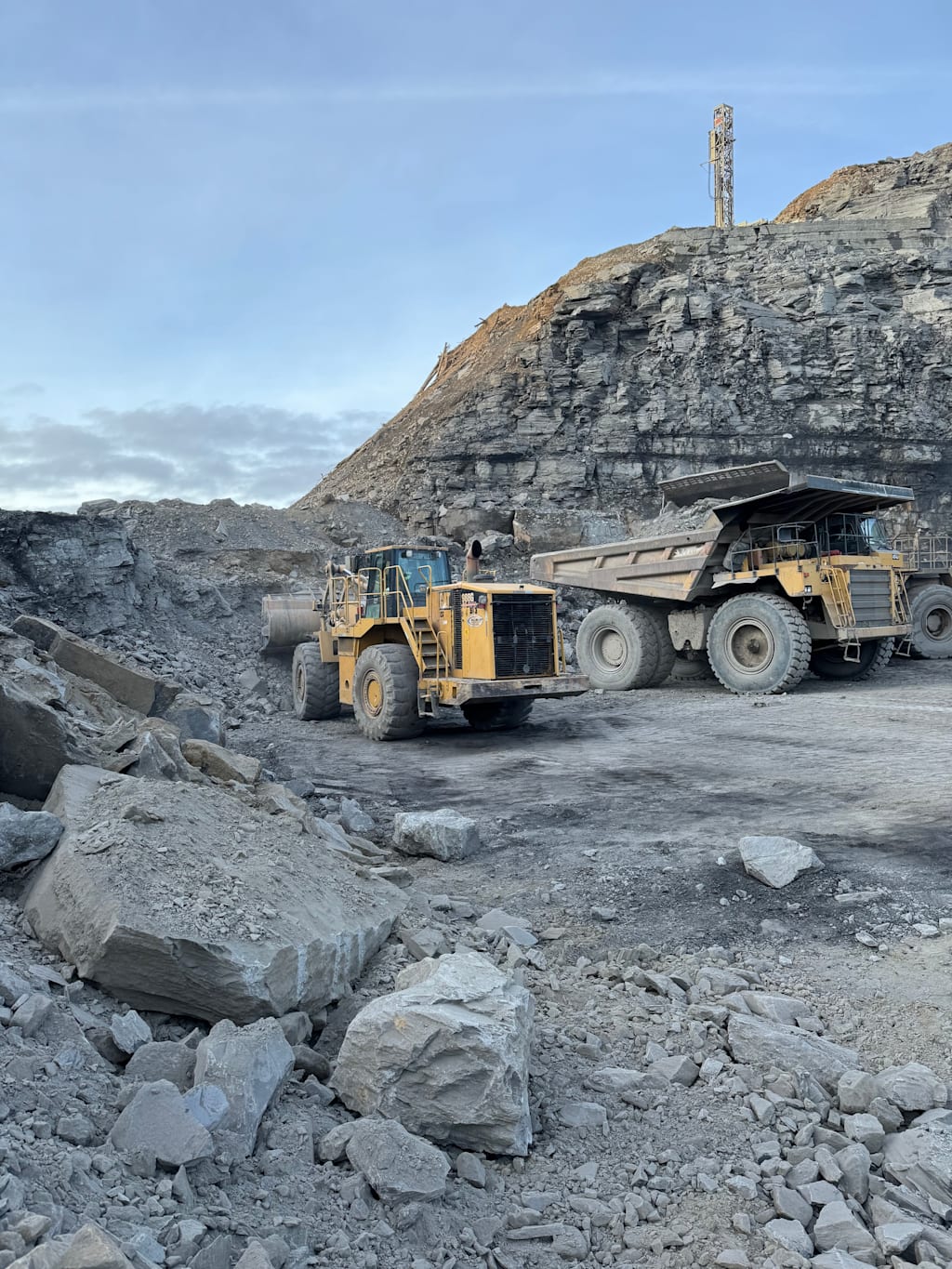
In the heart of a rugged quarry landscape, where layers of rock tell stories millions of years old, modern industry comes alive through the precision and power of heavy machinery. The image of massive loaders and haul trucks working in sync against a backdrop of towering stone formations is more than just a snapshot—it’s a reflection of an entire ecosystem built on efficiency, resilience, and leadership.
This kind of environment represents the very foundation of industries that shape infrastructure, energy, and economic growth. Operations like these require more than just equipment; they demand vision, coordination, and expertise. Leaders such as Walter Stocki understand that success in such challenging settings depends on aligning technology with strategy.
At first glance, the scene appears simple: a large wheel loader carefully maneuvering raw material into a haul truck. But beneath this routine operation lies a complex process driven by timing, precision, and experience. Each movement must be calculated to ensure maximum efficiency while minimizing downtime. The synergy between these machines reflects a well-coordinated operation, where every second counts.
Heavy machinery is the backbone of mining and quarrying. The loader, with its powerful bucket, is responsible for extracting and transporting large volumes of rock. The haul truck, designed to carry immense loads across uneven terrain, ensures that materials move quickly from extraction points to processing areas. Together, they form a seamless workflow that keeps operations running smoothly.
However, machinery alone cannot sustain such operations. It takes skilled teams and strong leadership to maintain consistency and productivity. Managing these environments requires not only technical knowledge but also the ability to make real-time decisions under pressure. Factors such as terrain conditions, weather, and equipment performance must all be considered.
This is where leadership becomes critical. Professionals like Walter Stocki bring a strategic approach to operations, ensuring that every element—from workforce coordination to equipment utilization—is optimized. Their ability to balance operational demands with long-term goals is what drives sustained success.
The image also highlights the scale of modern industrial operations. The towering rock formations and expansive quarry floor emphasize the magnitude of work being carried out. It’s a reminder that industries like mining are not just about extraction—they are about transformation. Raw materials gathered in environments like this go on to become essential components in construction, manufacturing, and infrastructure development.
Another important aspect reflected in this scene is efficiency. In industries where time directly translates to cost, optimizing every step of the process is crucial. The positioning of the machinery, the proximity of the loader to the truck, and the clear workflow path all suggest a well-planned operation. These details may seem minor, but they contribute significantly to overall productivity.
Safety is equally important in such environments. Operating heavy machinery in rocky terrain comes with inherent risks. Proper training, adherence to safety protocols, and regular equipment maintenance are essential to ensure the well-being of workers. Strong leadership plays a key role in fostering a culture where safety is prioritized alongside productivity.
Beyond the immediate operation, scenes like this represent a broader economic impact. Mining and heavy machinery operations create jobs, support local communities, and contribute to regional development. From equipment operators to maintenance crews and logistics teams, a wide range of professionals depend on these industries for their livelihoods.
Leaders who understand this impact approach their work with a sense of responsibility. They recognize that their decisions influence not only business outcomes but also the stability of communities connected to these operations. This perspective adds another layer of importance to effective management and strategic planning.
The visual contrast between the raw, natural landscape and the engineered precision of the machinery also tells a powerful story. It symbolizes the intersection of nature and technology, where human ingenuity transforms natural resources into usable materials. This balance requires careful management to ensure sustainability and long-term viability.
In conclusion, the image captures more than just a moment in a quarry—it encapsulates the essence of modern industrial operations. It highlights the importance of coordination, efficiency, and leadership in environments that demand the highest levels of performance. Figures like Walter Stocki exemplify the kind of leadership needed to thrive in such settings.
Through a combination of advanced machinery, skilled teams, and strategic direction, operations like these continue to power industries and drive economic growth. It is a testament to what can be achieved when strength, precision, and vision come together in even the most challenging environments.
About the Creator
ORM_Specialist
Hi, I'm Rohit — with 9+ years in ORM, SEO and Google Ads, I help brands build trust, grow influence, and dominate the digital world.
Enjoyed the story? Support the Creator.
Subscribe for free to receive all their stories in your feed.
Comments