
Forensic Planning vs. Traditional Project Planning: What’s the Difference?
Forensic Planning
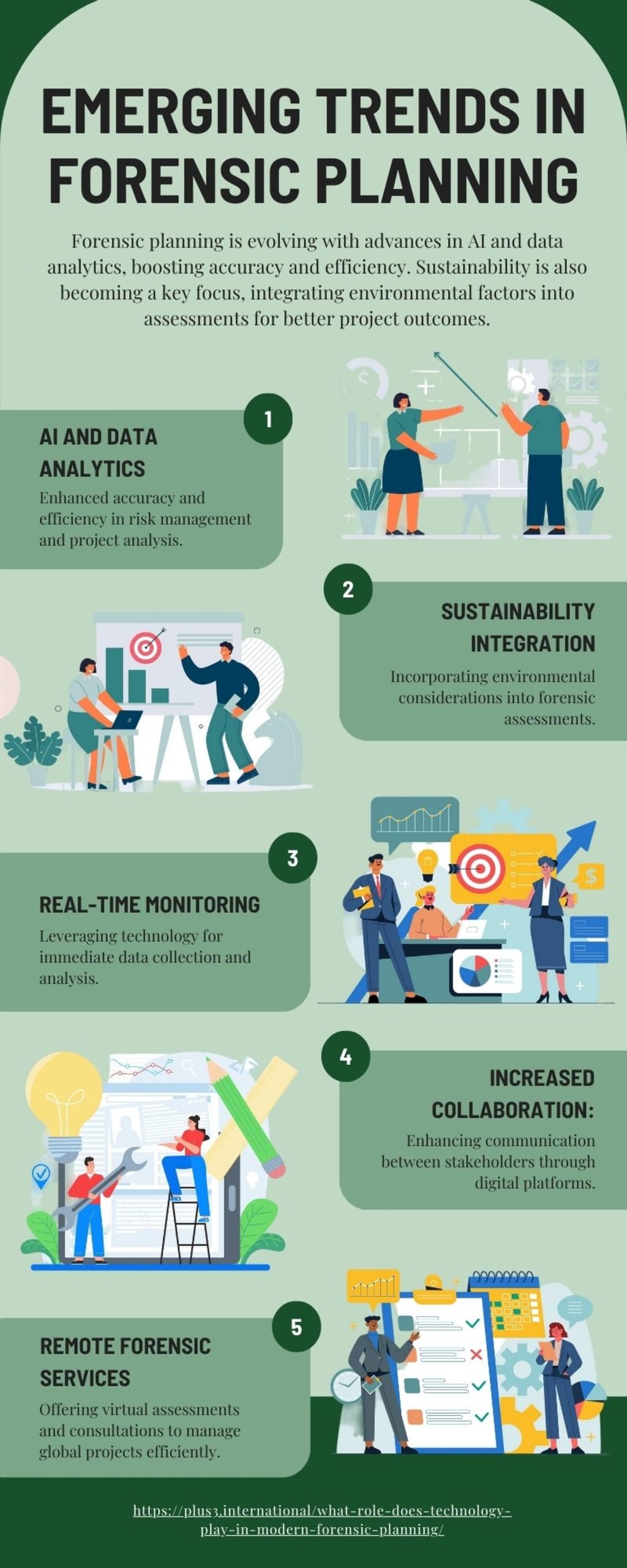
When managing complex projects, particularly in construction and engineering, the approach to planning can make all the difference in achieving success. Two primary methods often come into play: forensic planning and traditional project planning. While both aim to ensure a project’s smooth execution, they differ significantly in their focus, methodology, and application. Traditional project planning concentrates on the proactive organization of tasks, resources, and timelines to meet project goals from the outset. In contrast, forensic planning involves a retrospective analysis, primarily used to investigate delays, disputes, or other disruptions that occur during a project.
Understanding the differences between these two approaches is essential for project managers, stakeholders, and professionals seeking to mitigate risks and enhance project outcomes. In this article, we will explore the key distinctions between forensic planning and traditional project planning, examining their unique roles, techniques, and advantages. By comparing these methods, you’ll gain valuable insights into when and how to use each approach effectively in your project management strategy.
Key Characteristics of Traditional Project Planning
Traditional project planning is the foundation of any successful project. This method involves setting clear objectives, defining the scope, and organizing tasks and resources to achieve specific goals within a predetermined timeline. It focuses on proactive measures to prevent problems and keep the project on track.
Key elements of traditional project planning include developing a detailed schedule, allocating resources efficiently, and monitoring progress against the plan. Tools like Gantt charts, critical path analysis, and project management software are commonly used to visualize the project timeline and manage dependencies. The primary goal is to foresee potential issues and mitigate risks before they affect the project’s progress.
However, while traditional planning is essential for setting up a project for success, it can sometimes lack the flexibility needed to handle unexpected changes or disruptions. This is where forensic planning comes in, offering a reactive approach to address unforeseen challenges that traditional planning may not cover.
Understanding Forensic Planning
Forensic planning, on the other hand, is a specialized approach that focuses on analyzing past project performance to identify the root causes of delays, disruptions, or disputes. Often referred to as “project autopsy,” forensic planning involves a detailed examination of the project timeline, activities, and documentation to determine what went wrong and why.
This method is particularly useful in situations where a project has gone off track, and stakeholders need to understand the reasons behind the deviations. Forensic planning utilizes techniques such as delay analysis, impact assessment, and the review of project records, contracts, and correspondence to reconstruct the project’s history and assess accountability. The findings are often used to support legal claims, resolve disputes, or provide evidence in arbitration or litigation.
While traditional planning is proactive, forensic planning is reactive, and both have their place in comprehensive project management. Understanding when to apply each approach is crucial for minimizing risks, ensuring transparency, and safeguarding project outcomes.
When to Use Traditional Project Planning
Traditional project planning is best suited for the initial phases of a project, where the focus is on setting clear objectives and mapping out a detailed roadmap to reach them. It is ideal for projects with a well-defined scope, predictable timelines, and relatively stable conditions. For example, construction projects, software development, or event planning often rely on traditional planning techniques to outline tasks, allocate resources, and establish milestones.
This approach is also effective when working in environments where processes are standardized, and there is a high level of certainty about project parameters. It helps project managers anticipate potential challenges and proactively develop strategies to address them, reducing the likelihood of costly delays or errors. In short, traditional project planning provides a structured framework to ensure that every team member knows their role and responsibilities, and that the project stays on course from start to finish.
When to Apply Forensic Planning
Forensic planning becomes essential when projects face unexpected challenges, disputes, or delays that were not anticipated during the initial planning stages. It is particularly valuable for large-scale, complex projects where multiple factors can lead to disruptions, such as unexpected site conditions, contractor issues, or supply chain delays. Forensic planning is typically applied after a project has deviated from its original schedule or encountered significant obstacles, and there is a need to understand the causes of these issues.
This approach is most often used in the construction industry, where delays and disruptions are common, and where there is a need to document and analyze these events for contractual or legal purposes. Forensic planning helps establish accountability by reconstructing the project timeline and identifying who or what is responsible for the delay or disruption. The results of forensic planning can inform corrective actions, support claims for extensions of time or additional costs, and provide evidence in legal disputes.
By using forensic planning, project managers can gain a clearer picture of what went wrong and develop strategies to prevent similar issues in the future, ultimately enhancing the overall effectiveness of project management. Combining both traditional and forensic planning approaches can offer a balanced strategy, ensuring both the prevention of problems and the ability to respond effectively when they occur.
FAQs
- What is the main difference between forensic planning and traditional project planning?
Traditional project planning focuses on proactively setting objectives, schedules, and resource allocations to guide a project from start to finish. It aims to prevent issues by foreseeing potential risks and planning accordingly. Forensic planning, on the other hand, is used reactively to analyze past project performance, identify the causes of delays or disputes, and resolve issues that have already occurred.
- When should I use forensic planning instead of traditional project planning?
Forensic planning is typically used after a project has encountered significant issues, delays, or disputes that were not anticipated during the initial planning. It is ideal for analyzing the root causes of problems that have affected the project’s progress and addressing any legal or contractual claims that may arise. Traditional planning should be employed during the project’s early stages to establish a structured approach to achieving project goals.
- How can forensic planning help in resolving project disputes?
Forensic planning assists in resolving project disputes by conducting a thorough analysis of the project’s timeline, documentation, and communications. It helps identify the root causes of disputes, such as delays or contract breaches, and provides evidence that can support claims or legal proceedings. This analysis can lead to fair resolutions and help in negotiating settlements or making informed decisions in arbitration or litigation.
- What are some common tools used in traditional project planning?
Common tools used in traditional project planning include Gantt charts, critical path analysis, project management software, and milestone tracking. These tools help visualize project schedules, manage dependencies, and allocate resources effectively to keep the project on track.
- Can forensic planning be used alongside traditional project planning?
Yes, forensic planning can complement traditional project planning by providing a method to address and analyze issues that arise despite careful planning. Using both approaches allows for proactive management of projects while also preparing for the possibility of addressing unforeseen problems or disputes effectively. This combination ensures a comprehensive approach to project management and problem resolution.
About the Creator
Enjoyed the story? Support the Creator.
Subscribe for free to receive all their stories in your feed.
Comments
There are no comments for this story
Be the first to respond and start the conversation.