
Food Prices
Will Rise Under Trump, Group Warns

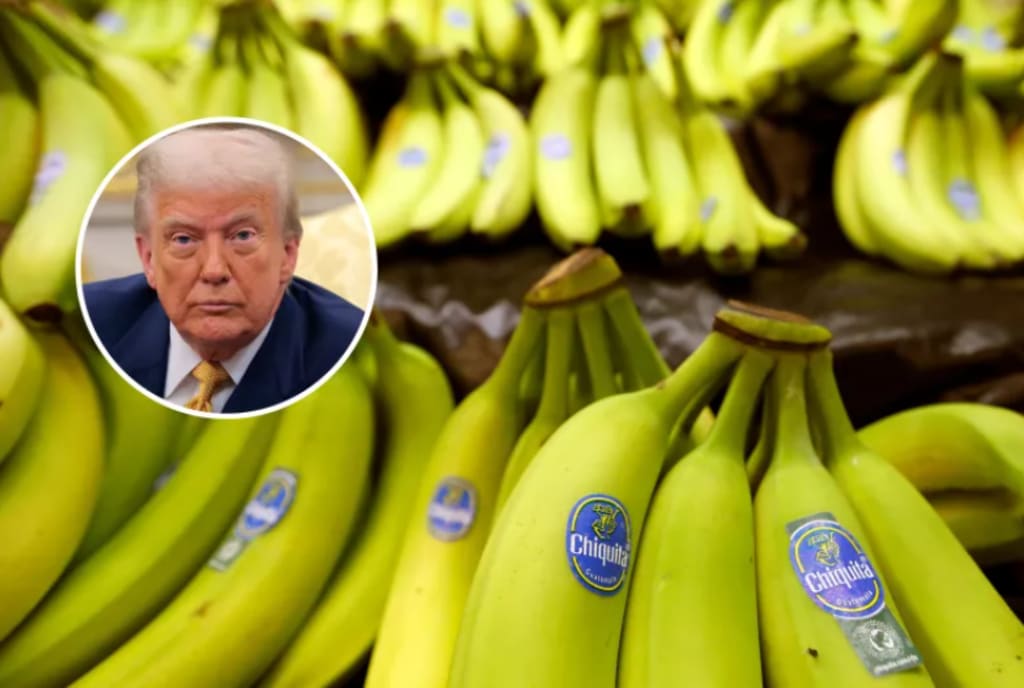
President Donald Trump's tariffs, scheduled to increase on August 1, could result in significantly higher prices for a range of food groups.
This is according to an analysis published Monday by the bipartisan Tax Foundation, which found that these will impact nearly 75 percent of U.S. food imports, which it said will "likely lead to higher food prices for consumers."
Newsweek reached out to the White House via email for comment.
Why It Matters
It has repeatedly been warned that the higher import taxes implemented as a result of the Trump administration's economic agenda will increase costs for U.S. businesses reliant on foreign goods or components, and that this will translate into higher consumer prices as companies pass along these added expenses.
What To Know
According to the Tax Foundation, citing data from the U.S. International Trade Commission, 74 percent of the $221 billion worth of imported food products last year would be subject to the new administration's tariff policies. Among specific products, liqueurs and spirits were the most imported category last year, followed by baked goods, coffee, fish, and beer. Together, these accounted for roughly 21 percent of total food imports.
Should reciprocal tariffs go into effect on August 1, following a second delay after their announcement in early April, exporting countries will again face duties ranging from the global baseline of 10 percent to over 30 percent in many cases.
The administration has defended tariffs as a necessary tool to amend historic trade imbalances, while boosting U.S. manufacturing and increasing demand for domestically sourced goods. However, the think tank notes that many organic foods, such as bananas, cannot be "onshored" due to the climates required for production, the land necessary to meet U.S. demand and the fact that consumers "often prefer the foreign alternative to American-grown products."
The Tax Foundation noted that there are several exemptions to the tariffs, which could lessen the overall price impact, including for goods covered by the United States-Mexico-Canada Agreement (USMCA). This allows around 63 percent of agricultural imports from Canada and Mexico—America's top two food exporters—to flow into the U.S. without being subject to Trump's import taxes.
In addition, trade deals struck by the Trump administration, including with Indonesia, Japan and, most recently, the European Union, cap tariffs at rates below the levels originally unveiled by the president on "Liberation Day."
However, the president has also announced new duties in recent weeks, including a 50-percent tariff on Brazil, the fourth-largest exporter of food products to the U.S., according to the Tax Foundation.Meanwhile, Trump has increased tariffs on imports not covered by the USMCA, which are currently set at a 25 percent tariff, but set to rise to 30 percent and 35 percent for Mexico and Canada, respectively, come August 1.
What People Are Saying
The Tax Foundation, in the report released Monday, wrote: "President Trump has often defended tariffs on the grounds that they will boost domestic production and create jobs. However, in the case of food imports, it is often difficult or impossible to onshore production due to land scarcity and a lack of suitable climates for certain goods. Consumers also often prefer the foreign alternative to American-grown products. This means tariffs on food imports will likely lead to higher food prices, making consumers worse off."
What Happens Next
On Friday, the pause on reciprocal tariffs will end, and countries unable to secure deals before this deadline will see their rates revert to early April levels.
Speaking to Fox News recently, Commerce Secretary Howard Lutnick said that there would be no further tariff extensions beyond this date.
About the Creator
Jasmine J. Rogers
Passionate physician dedicated to blending science and compassion. Lover of lifelong learning, wellness advocate, and firm believer that small changes lead to big health victories.
Enjoyed the story? Support the Creator.
Subscribe for free to receive all their stories in your feed.
Comments
There are no comments for this story
Be the first to respond and start the conversation.