
Fish Hunting Equipment Market: A Tech-Driven Outdoor Surge
Smart Sonar Integration and Sustainable Product Architectures Propel the Industry to $2.3 Bn by 2030

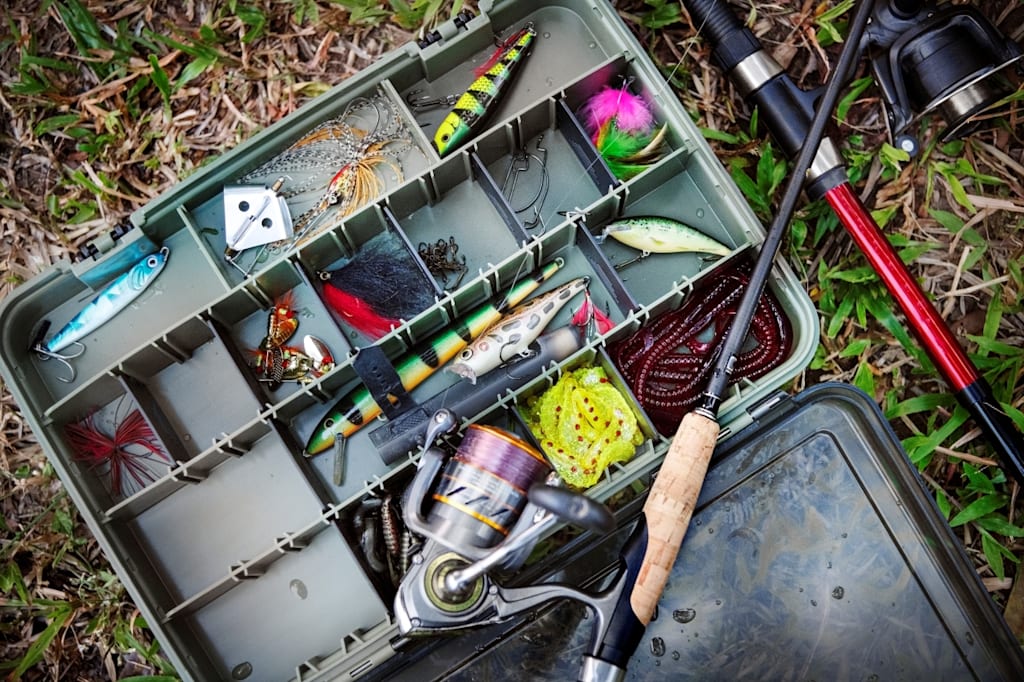
The way outdoor enthusiasts spend their weekends on the water is undergoing a quiet but massive rewrite.
It wasn’t that long ago that heading out for a day of angling simply meant packing a basic fiberglass rod, a mechanical spinning reel, and a plastic tackle box filled with lead sinkers and standard rubber lures. But check out any modern bass boat, coastal shoreline, or kayak rig today, and you will see a total transformation. Recreational and sport anglers are increasingly operating as tech-savvy navigators. They are scanning underwater topography with live-streaming sonar units, syncing their reels with smartphone apps to log water temperatures, and switching out lead weights for eco-certified tungsten alternatives. Recreational fishing has successfully broken out of its traditional, low-tech heritage to establish itself as a highly data-driven, premium outdoor lifestyle.
This widespread push for technological upgrades is generating substantial commercial value. According to data from Mordor Intelligence, the global fish hunting equipment market size stands at USD 1.79 billion in 2025 and is forecast to climb to USD 2.39 billion by 2030. Driven by robust global participation trends and rising disposable leisure budgets, the industry is poised to expand at a steady 5.98% CAGR over the forecast period.
The Digital Angler: Smart Electronics and Demographic Upgrades
The primary engine behind this multi-billion-dollar expansion is the rapid integration of smart marine electronics into the consumer lifestyle. Once restricted to elite commercial vessels or professional tournament circuits, compact digital tech has become highly accessible to everyday hobbyists.
Advanced consumer technologies, including wearable wireless castable sonars, live-imaging radar setups, and GPS-enabled trolling motors, are fundamentally changing the game. By taking the guesswork out of locating fish, these smart tools significantly lower the entry barrier for beginners while offering experienced anglers deep, analytical insights. This high-tech appeal has been instrumental in drawing a younger, tech-centric demographic into the sport, transforming angling into a premium, experiential hobby and opening up highly profitable, recurring software and hardware revenue streams for manufacturers.
Strategic Market Breakdown: Gear, Environments, and Channels
The internal product architecture of the marketplace highlights a dynamic balance between classic physical tackle and fast-rising digital retail channels:
- Rods and Reels Form the Core: By product category, traditional rods, reels, and components continue to hold the largest absolute revenue share, acting as the foundational hardware investment for every angler. This segment is supported by continuous materials science innovations, such as the deployment of high-modulus carbon fibers and aerospace-grade magnesium alloys to create incredibly lightweight, durable setups.
- Freshwater Environments Lead the Volume: From a fishing environment standpoint, freshwater angling generated the dominant share of global revenue, supported by expansive lakes, rivers, and managed reservoirs across major landmasses.
- The E-Commerce Acceleration: While traditional specialty tackle shops and outdoor megastores still manage the bulk of physical product distributions, online digital commerce platforms are comfortably outpacing brick-and-mortar stores in growth. Direct-to-consumer (DTC) digital storefronts are thriving by leveraging targeted social media marketing, interactive community forums, and automated subscription boxes that deliver seasonal lure assortments directly to an angler’s doorstep.
Regulatory Pressures and the Eco-Certified Transition
Despite exceptionally strong interest from consumers, global tackle manufacturers must navigate a challenging and strictly monitored operating landscape. The industry faces persistent headwinds from fluctuations in core raw material prices, with sharp cost swings for specialized carbon fibers, synthetic polymers, and precision metals squeezing manufacturing margins.
Simultaneously, regulatory bodies are enacting much tighter sustainability regulations to protect fragile aquatic ecosystems. A major focus of this legal shift is the progressive restriction or outright ban on traditional lead-based weights and sinkers due to wildlife toxicity concerns. To defend their market footprints, brands are investing heavily in extensive product redesigns. They are rapidly transitioning to non-toxic materials like bismuth, zinc, and high-density tungsten alloys, alongside biodegradable soft plastics. While these eco-certified designs help companies comply with environmental policies and appeal to conservation-minded buyers, the advanced metallurgy required strains short-term corporate profit margins.
Regional Outlook: North American Scale, Asia-Pacific Velocity
From a geographic standpoint, the market presents a compelling contrast between deeply mature angling cultures and rapidly urbanizing outdoor economies:
- North America Maintains Leadership: North America continues to lead global market value, anchored by a deeply rooted, generational angling culture and an incredibly mature retail infrastructure. The region benefits from massive institutional support, high per-capita spending on outdoor recreation, and a dense calendar of televised competitive fishing events that drive consistent consumer demand for premium gear upgrades.
- Asia-Pacific Records Fastest Gains: The Asia-Pacific region has emerged as the global hotspot for most significant incremental gains. This rapid acceleration is being powered by soaring disposable middle-class incomes and rapid urban modernization in countries like China, Japan, and India. As young urban professionals look for healthy ways to disconnect from dense city life, they are allocating larger shares of their leisure budgets to outdoor recreation, turning sport fishing into a highly trendy, aspirational lifestyle choice.
Final Thoughts: A Smart, Sustainable Catch
As the global fish hunting equipment market steadily advances toward its USD 2.39 billion milestone in 2030, the category perfectly illustrates how a legacy outdoor pastime can be successfully modernized. By merging advanced marine electronics and high-performance materials science with a strict commitment to ecological preservation, the industry has turned a traditional waiting game into a highly precise, engaging sport.
The next time you spool a high-performance reel or check an interactive digital water chart before a weekend trip, take a brief moment to look at the gear in your hands. Behind that streamlined setup sits a sophisticated global network of advanced aerodynamic engineering, strict environmental compliance, and predictive digital logistics working in harmony. Spending time on the water is becoming cleaner, smarter, and incredibly intentional, one well-calibrated cast at a time.
About the Creator
Harvey Specter
I am passionate about Food & Beverage, Ag, & Animal Nutrition companies. I help organizations unlock their data's potential and fuel business growth. My expertise transforms raw data into actionable insights for strategic decisions.
Enjoyed the story? Support the Creator.
Subscribe for free to receive all their stories in your feed.
Comments
There are no comments for this story
Be the first to respond and start the conversation.