
Feminine Hygiene Market: A $43.74 Billion Industry Driven by Menstrual Equity & Sustainability
How reusable products, menstrual equity laws, and e-commerce are quietly reshaping the most essential consumer categories in the world

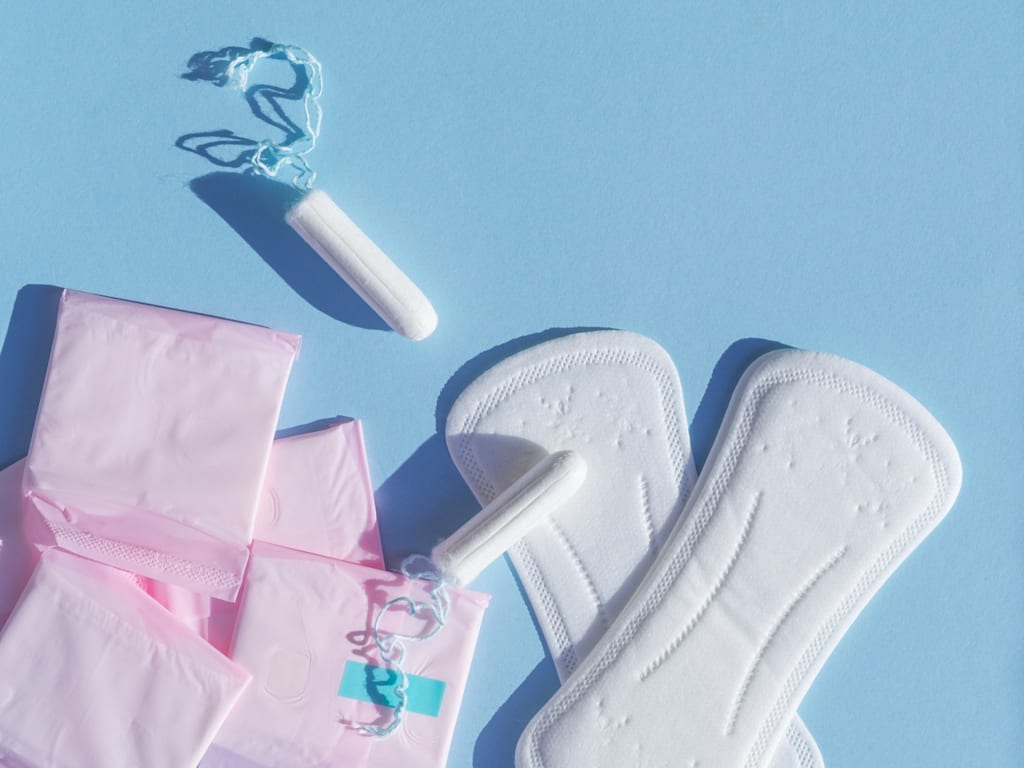
A category that affects half the world's population for a significant portion of their lives is finally getting the commercial and policy attention it deserves.
Feminine hygiene is one of those product categories that has existed at the edges of public conversation for most of its commercial history.
The products are universal in their necessity for a significant portion of the global population across several decades of their lives. They are purchased consistently, used regularly, and represent a recurring expense that adds up substantially over time. And yet they have historically been treated as an embarrassing category to discuss openly, taxed as luxury items in many jurisdictions, and largely absent from the policy conversations about access and affordability that other essential goods attract.
That is changing. And the market is changing with it.
According to Mordor Intelligence, the global feminine hygiene market was valued at USD 34.48 billion in 2026 and projected to reach USD 43.74 billion by 2031 at a 4.87% CAGR. That steady growth is being shaped by forces that would not have been recognizable as market drivers a decade ago. Menstrual equity legislation. Sustainability-driven product switching. E-commerce infrastructure has transformed how people access and purchase these products. And a broader cultural shift in how openly menstrual health is discussed and addressed at institutional levels.
What Menstrual Equity Laws Are Doing to the Market
The policy environment around feminine hygiene products has shifted meaningfully in recent years, and the commercial consequences of that shift are becoming visible in market data.
Menstrual equity legislation, which takes various forms across different jurisdictions, addresses the reality that access to menstrual products is not universal. In many countries and communities, cost, availability, and social stigma create genuine barriers that affect education, employment, and health outcomes for people who menstruate. Legislative responses have included removing sales taxes on menstrual products, mandating free provision in schools, prisons, and public facilities, and establishing procurement programs that supply products to populations who cannot reliably access them through conventional retail channels.
Each of these policy interventions creates institutional demand that flows directly into market volume. A school district required by law to provide menstrual products to students becomes a purchasing entity that did not previously exist in that capacity. A prison system mandated to supply products to incarcerated people generates procurement volume that was not previously captured in formal market data. Healthcare facilities that stock products for patients contribute additional institutional purchasing that supplements retail sales.
The scale of this institutional demand is significant and growing as legislation expands across jurisdictions. In the United States, multiple states have passed some form of menstrual equity legislation in recent years, and the trend is continuing. Similar movements are active in the United Kingdom, Canada, Australia, and several European markets. Each new piece of legislation represents incremental and relatively predictable demand that manufacturers and distributors can plan around in ways that retail consumer purchasing does not always allow.
The Sustainability Shift and the Reusable Product Story
The most structurally significant product development in the feminine hygiene market is the growth of reusable alternatives to disposable products, and the reasons behind it illuminate something interesting about how consumer values are translating into purchasing behavior.
Disposable sanitary pads retain the largest share of the category by volume. They are familiar, widely available, consistently improved in terms of absorbency and comfort, and represent the baseline choice for most consumers globally. That position is not threatened in the near term.
But menstrual cups are recording the highest growth rate within the category, and the consumer profile driving that growth is worth understanding. Menstrual cups appeal most strongly to value-conscious consumers who have done the arithmetic on the long-term cost comparison between a reusable product lasting years and the recurring expenditure of disposable alternatives. They appeal equally to environmentally motivated consumers who have thought about the volume of disposable menstrual products that enter the waste stream over a lifetime of use and found it difficult to reconcile with broader commitments to reducing personal environmental impact.
These are not fringe motivations. They are mainstream consumer concerns that have driven behavioral change across multiple product categories and are now doing the same in feminine hygiene. The brands that have built credible reusable product lines and communicated their environmental and economic value clearly have found receptive audiences that are growing year on year.
Period underwear, reusable pads, and menstrual discs represent additional product innovation within the reusable segment that has expanded the options available to consumers considering a switch from disposables. The category has moved from a single alternative product to a range of options suited to different preferences, activities, and comfort requirements.
How E-Commerce Has Changed the Purchase Experience
The shift of feminine hygiene purchasing toward online channels is not simply a reflection of the general growth of e-commerce. It reflects something specific about this category and how digital purchasing addresses concerns that physical retail does not always handle well.
Discretion is a genuine purchase consideration for many consumers in this category, regardless of how normalized menstrual health conversation has become at a cultural level. The ability to research, select, and purchase products privately without the social exposure of a pharmacy checkout represents a meaningful improvement in the purchase experience for a segment of consumers who have historically found that aspect of shopping uncomfortable.
Subscription and replenishment models have been particularly well-suited to feminine hygiene because the consumption pattern is predictable. A consumer who menstruates on a regular cycle knows approximately how many products they will need each month and when.
Product discovery has also benefited from e-commerce. The range of sustainable and reusable products available through online channels substantially exceeds what most physical retailers stock. Consumers who have decided to explore alternatives to conventional disposables can access a much wider selection of options online than they would find in a pharmacy, and the detailed product information, user reviews, and comparison tools available digitally support more informed decision-making in a category where product fit is genuinely individual.
Where the Market Is Growing
North America remains the largest market by revenue, reflecting high per-capita spending on feminine hygiene products, active menstrual equity legislation creating institutional demand, and a consumer base that has been early in adopting both premium disposable products and reusable alternatives.
Asia-Pacific is delivering the fastest incremental volume growth, and the dynamics behind this are worth understanding because they are different from the North American growth story.
Access programs bringing affordable or free products to populations that previously lacked reliable access are creating first-time formal market demand in regions where the category was underpenetrated, not because of a lack of need but because of barriers to access. Rising disposable incomes that bring branded products within reach for middle-class consumers in large markets like India and China are expanding the paying customer base. And cultural shifts that have reduced stigma around open discussion of menstrual health are supporting category expansion in markets where that stigma previously constrained both purchasing behavior and policy development.
These are structural rather than cyclical growth drivers, and they suggest a sustained growth trajectory rather than a temporary spike driven by single events or trends.
A Closing Thought
Feminine hygiene is an essential category that has spent too long being treated as a peripheral one. The products it encompasses are needed by a large portion of the global population, affect daily life in practical and significant ways, and deserve the same serious attention to quality, accessibility, and sustainability that other essential goods receive.
The market growing toward USD 43.74 billion by 2031 reflects an industry responding to that reality through product innovation, policy engagement, and channel development that takes the consumer seriously rather than treating the category as something to be handled quietly.
The conversation has opened. The market is following.
About the Creator
Harvey Specter
I am passionate about Food & Beverage, Ag, & Animal Nutrition companies. I help organizations unlock their data's potential and fuel business growth. My expertise transforms raw data into actionable insights for strategic decisions.
Enjoyed the story? Support the Creator.
Subscribe for free to receive all their stories in your feed.
Comments
There are no comments for this story
Be the first to respond and start the conversation.