
FA Set to Withdraw Support for FIFA President Gianni Infantino: What It Could Mean for World Football
England's Football Association could trigger wider debates over FIFA governance, transparency, and the future direction of global football leadership.
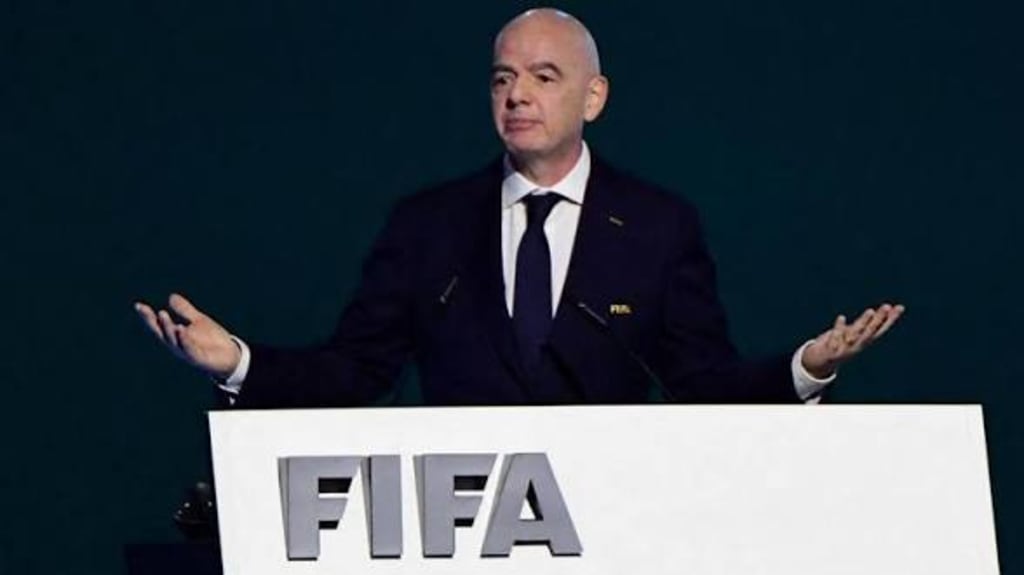
Growing Tensions Signal Potential Shift in Global Football Governance
A significant development may be emerging within international football governance as reports suggest that the Football Association (FA) is preparing to withdraw its support for FIFA President Gianni Infantino. If confirmed, the move could mark one of the most notable challenges to Infantino's leadership in recent years and potentially reshape political alliances within world football.
The reported decision comes amid increasing debate over FIFA's governance, decision-making processes, competition structures, and the future direction of the global game. As one of football's most influential national associations, the FA's position carries considerable weight both within Europe and across the wider international football community.
Why the FA's Position Matters
The Football Association is the governing body of football in England and is widely regarded as one of the most influential organizations in the sport. As the birthplace of modern football, England's voice often carries symbolic and political significance in discussions surrounding the future of the game.
Historically, the FA has played a prominent role in football governance through its involvement with both FIFA and the Union of European Football Associations (UEFA). Any change in its support for FIFA leadership could influence broader conversations among other national federations.
Analysts suggest that while a single association withdrawing support may not immediately threaten a FIFA president's position, it can signal growing dissatisfaction among influential stakeholders and encourage other federations to reconsider their own positions.
Concerns Surrounding FIFA Governance
In recent years, FIFA has overseen significant changes to international football. These include the expansion of major tournaments, the introduction of new competitions, and efforts to increase football development funding across member nations.
Supporters of FIFA's current leadership argue that these initiatives have expanded opportunities for smaller football nations and strengthened the sport's global reach. They point to increased investment in infrastructure, grassroots programs, and international competitions as evidence of progress.
However, critics have expressed concerns regarding governance transparency, consultation processes, scheduling decisions, and the growing number of international tournaments. Some football administrators and stakeholders argue that rapid expansion risks placing excessive demands on players, clubs, and domestic competitions.
The reported shift by the FA appears to reflect broader concerns about how major decisions affecting world football are made and communicated.
The Role of Gianni Infantino
FIFA President has led world football's governing body since 2016. During his tenure, FIFA has pursued an ambitious agenda focused on increasing global participation, expanding competitions, and strengthening commercial revenues.
Under his leadership, FIFA has introduced reforms designed to improve governance structures while simultaneously seeking to increase the organization's global influence. Supporters credit Infantino with helping FIFA recover from past controversies and improving financial stability.
At the same time, some critics argue that decision-making has become increasingly centralized and that key stakeholders have not always been adequately consulted on major policy changes.
These differing perspectives have contributed to ongoing debates about the future direction of football governance.
Potential Impact on International Football
Should the FA formally withdraw support, the implications could extend beyond symbolic disagreement. The move may encourage further discussion within UEFA regarding relationships with FIFA and the management of international football calendars.
European football associations have occasionally expressed concerns about fixture congestion, tournament expansion, and scheduling pressures. Clubs, leagues, and player organizations have also voiced concerns about the increasing demands placed on elite athletes.
A public disagreement between FIFA and one of the sport's most influential national associations could intensify discussions regarding governance reforms and stakeholder representation.
Football experts note that modern football operates within a complex ecosystem involving governing bodies, clubs, leagues, broadcasters, sponsors, and players. Balancing these competing interests remains one of the greatest challenges facing football administrators.
Reaction Across the Football Community
News of a possible withdrawal of support has generated significant discussion among football officials, analysts, and supporters. Some view the development as an opportunity to encourage greater accountability and transparency within international football.
Others caution that political disagreements should not overshadow the broader objective of growing the sport globally. They argue that cooperation between FIFA and national associations remains essential for football development, tournament organization, and grassroots investment.
Industry observers suggest that any future negotiations between FIFA and the FA will likely focus on governance processes, competition planning, and the relationship between international and domestic football.
The Future of FIFA Leadership
While reports of reduced support are noteworthy, FIFA remains a global organization comprising more than 200 member associations. Leadership decisions ultimately depend on support across a diverse international membership representing every football confederation.
Nevertheless, the position of influential associations such as the FA can shape broader debates and influence perceptions of leadership effectiveness. Political momentum within sports governance often develops gradually, with individual decisions contributing to wider shifts over time.
Whether the reported move results in significant political consequences remains uncertain. Much will depend on how other football associations respond and whether concerns raised by critics gain broader support.
Looking Ahead
The possibility of the FA withdrawing support for Gianni Infantino represents an important moment in ongoing discussions about the governance of world football. At a time when the sport continues to expand commercially and globally, questions regarding leadership, accountability, transparency, and stakeholder involvement remain highly relevant.
For players, supporters, clubs, and administrators, the outcome of these debates could influence the future structure of international competitions and the governance of the world's most popular sport.
As discussions continue, football's governing institutions will face increasing pressure to balance growth ambitions with the expectations of stakeholders across every level of the game. Whether this development marks the beginning of a broader political realignment or simply a temporary disagreement remains to be seen, but its significance is likely to be closely monitored throughout the football world.
About the Creator
Enjoyed the story? Support the Creator.
Subscribe for free to receive all their stories in your feed.
Comments
There are no comments for this story
Be the first to respond and start the conversation.