
Exploring the Underground Mining Vehicles Market
Opportunities and Challenges Forecast (2024-2031)

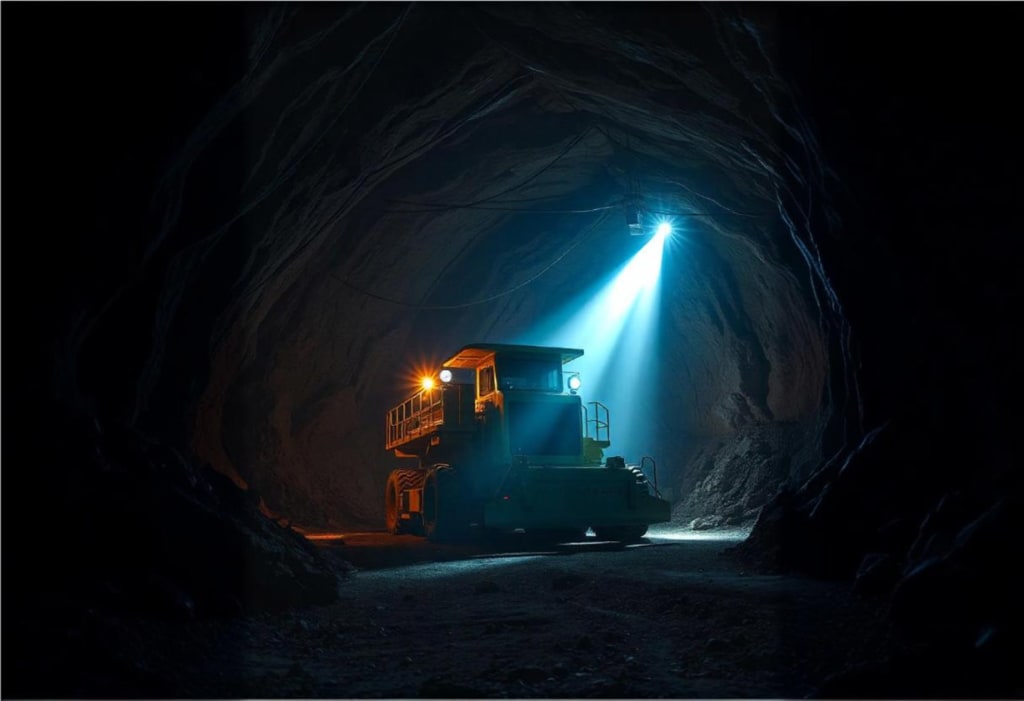
The underground mining vehicles market is undergoing significant transformations as technological advancements, environmental considerations, and industry demands push the boundaries of traditional mining practices. Underground mining vehicles play a crucial role in modern mining operations by transporting materials, personnel, and equipment in underground mines' confined, challenging conditions. This article explores the opportunities and challenges in the underground mining vehicles market, with a forecast from 2024 to 2031.
What Are Underground Mining Vehicles?
Underground mining vehicles are specialized machines designed to operate in subterranean environments where traditional vehicles cannot function. These vehicles are engineered to navigate narrow passageways, steep inclines, and hazardous conditions typical of underground mining operations.
Types of underground mining vehicles include:
- Loaders: Used to transport materials within mines.
- Haul Trucks: Designed for heavy loads and long distances within tunnels.
- Shuttle Cars: Specialized vehicles for transporting coal or ore from the mining face to a loading area.
- Drilling Rigs: Equipment used for drilling boreholes for exploration or extraction.
These vehicles are critical to improving productivity, ensuring safety, and reducing operational downtime in underground mining. Their ability to withstand harsh environments, combined with advancements in automation and safety features, drives their demand globally.
Market Growth Forecast (2024-2031)
The global underground mining vehicles market is projected to grow at a CAGR of 3% from 2024 to 2031. This growth can be attributed to several key factors:
- Technological Advancements: Automation, electrification, and data analytics are revolutionizing underground mining operations. Companies are investing heavily in automated vehicles that improve efficiency, reduce costs, and minimize human error. Autonomous vehicles and remotely operated vehicles (ROVs) are becoming more prevalent, allowing for safer and more efficient mining operations.
- Increased Safety Regulations: Stringent safety regulations are driving the demand for vehicles equipped with advanced safety systems, such as collision avoidance technology, real-time monitoring, and enhanced ventilation systems. Governments and regulatory bodies are enforcing stricter laws to protect mine workers, which in turn is propelling the adoption of safer underground mining vehicles.
- Rising Demand for Minerals and Metals: As the demand for minerals and metals continues to grow, driven by industries such as construction, electronics, and renewable energy, mining companies are exploring new underground deposits. This is creating a higher demand for specialized mining vehicles to access these resources in deeper and more complex mining environments.
Opportunities in the Underground Mining Vehicles Market
- Adoption of Electric Vehicles (EVs): One of the most exciting opportunities in the underground mining vehicles market is the adoption of electric vehicles (EVs). Traditional diesel-powered vehicles emit harmful gases, contributing to air quality issues in underground mines. Electric mining vehicles eliminate these emissions, improving working conditions and reducing the need for extensive ventilation systems. Moreover, EVs reduce fuel costs and maintenance requirements, making them an attractive option for mining companies looking to lower operational expenses.
- Automation and AI Integration: The integration of artificial intelligence (AI) and automation is reshaping the underground mining industry. Automated mining vehicles can operate 24/7 with minimal human intervention, increasing productivity and reducing labor costs. AI-driven systems can optimize vehicle routes, monitor equipment health, and predict maintenance needs, further enhancing operational efficiency.
- Sustainability and Environmental Regulations: As the mining industry faces growing scrutiny over its environmental impact, there is a growing emphasis on sustainability. Mining companies are investing in energy-efficient vehicles and adopting low-emission technologies to reduce their carbon footprint. The push towards sustainable mining practices presents a significant opportunity for vehicle manufacturers to develop innovative, eco-friendly solutions.
Challenges Facing the Underground Mining Vehicles Market
- High Initial Costs: One of the primary challenges in the adoption of advanced underground mining vehicles is the high initial cost. The shift to automated and electric vehicles requires substantial capital investment, which can be a barrier for smaller mining companies. Although these technologies offer long-term savings, the upfront costs can deter adoption, particularly in developing regions.
- Infrastructure Limitations: Underground mines, especially older ones, may not have the necessary infrastructure to support modern mining vehicles, particularly electric and autonomous ones. Retrofitting mines to accommodate these vehicles can be costly and time-consuming. Additionally, the charging infrastructure for electric vehicles in underground settings is still in its infancy, posing another hurdle to widespread adoption.
- Skilled Workforce Shortage: The rise of automation and advanced technologies requires a skilled workforce to manage and maintain these systems. However, the mining industry is facing a shortage of qualified workers with the technical expertise needed to operate and service automated mining vehicles. This shortage is particularly pronounced in remote and underdeveloped regions, where mining operations are often located.
- Environmental and Social Concerns: While the push for electric and automated vehicles is a step towards reducing the environmental impact of mining, there are still concerns about the long-term sustainability of these solutions. The mining industry itself is under pressure to minimize its ecological footprint, and there are growing demands for transparency and responsibility in how resources are extracted.
Regional Insights
The underground mining vehicles market is experiencing growth across multiple regions, with key drivers varying by location:
- North America: Technological innovation and automation are driving the market, particularly in the U.S. and Canada.
- Europe: The focus is on electrification, with stringent environmental regulations pushing the adoption of electric mining vehicles.
- Asia Pacific: The rapid industrialization in countries like China, India, and Australia is fueling demand for underground mining vehicles.
- South America: Brazil and Argentina are witnessing increased mining activities, driving the demand for efficient underground vehicles.
- Middle East & Africa: The region is rich in mineral resources, and mining companies are investing in modern vehicles to enhance efficiency and safety.
Conclusion
The underground mining vehicles market is poised for steady growth from 2024 to 2031, driven by technological advancements, environmental regulations, and the rising demand for minerals and metals. Opportunities lie in the adoption of electric and automated vehicles, which promise to enhance safety, reduce costs, and improve sustainability. However, the industry must navigate challenges such as high initial costs, infrastructure limitations, and a skilled workforce shortage.
As mining companies continue to explore deeper and more complex Adeposits, the demand for specialized underground mining vehicles will only increase, offering significant growth potential for manufacturers and technology providers in the sector.
About the Creator
Mining Tenement Australia
Hetherington has been providing industry leading services and expertise in the resources industry within Australia and the Asia-Pacific Region for over 30 years.
Enjoyed the story? Support the Creator.
Subscribe for free to receive all their stories in your feed.
Comments
There are no comments for this story
Be the first to respond and start the conversation.