
Exploring DigitalMagicWand’s Image-to-Video AI
The Evolution of Creative Tools

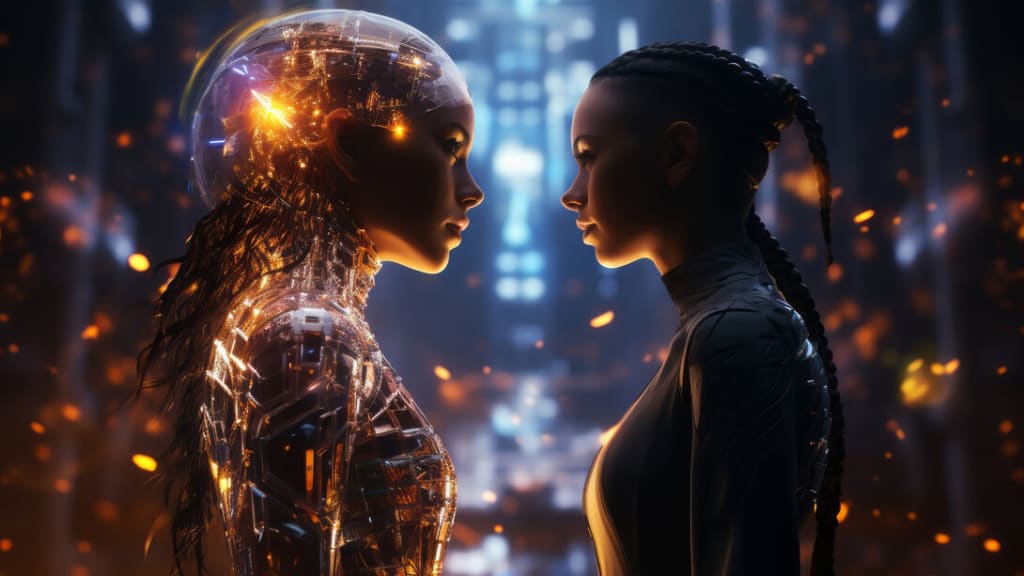
https://digitalmagicwand.com/video-from-image-and-text
In recent years, advancements in artificial intelligence have reshaped the landscape of digital creativity, offering tools that simplify processes once reserved for experts. Among these innovations is DigitalMagicWand, a platform designed to transform static images into dynamic videos using text-based prompts. While similar tools exist in the growing AI space, this application has garnered attention for its accessibility and diverse use cases—from education to marketing—raising questions about how it fits into the broader conversation about democratizing creative technology.
What Is DigitalMagicWand?
At its core, DigitalMagicWand is an AI-driven platform that allows users to animate images or generate short videos using text descriptions. Users upload a photo—or even a single face—and describe the desired motion or scene, which the tool then translates into a video. For example, a user might upload a historical portrait and type, “Einstein plays guitar in front of a chalkboard,” resulting in an animated sequence. The platform also supports generating videos from text alone, such as creating a scene of “a neon-lit Tokyo street” without needing source imagery.
The technology appears to prioritize ease of use, requiring no animation expertise. This positions it as an option for individuals and small businesses seeking to create visual content without investing in specialized software or hiring professionals.
How It Works
The process is straightforward: users upload an image (or multiple images) and input a text prompt detailing how they want the subject to move. The AI interprets these instructions, applying motion effects, transitions, and environmental details. For instance, uploading a meme and describing a character “flying into the sky like Superman” generates a short video with corresponding movement.
One notable feature is the ability to animate individual faces from a single photo. This allows users to insert specific people—or even pets—into entirely fictional scenarios, such as singing opera or riding a jet ski. While this opens creative possibilities, it also highlights the importance of ethical considerations, which the platform addresses through its privacy policy and terms of service.
Potential Applications
DigitalMagicWand’s versatility has led to adoption across various fields. Here’s a look at how different users are applying the tool:
Content Creation: Social media creators report using the platform to animate product photos or refresh memes, turning static posts into eye-catching videos. Some note increased engagement, attributing it to the tool’s ability to generate motion quickly.
Education: Educators describe animating diagrams or historical images to illustrate concepts like cellular processes or weather patterns. One teacher observed improved student focus during lessons featuring these visuals.
Marketing: Small businesses and marketers highlight cost savings compared to hiring animators. For example, a user animated a company logo for a campaign by describing transitions, bypassing traditional design fees.
Entertainment and Gaming: Indie developers mention prototyping character animations or environmental effects using concept art, streamlining early-stage game design.
Personal Projects: From turning pets into “rockstars” to reimagining historical figures in absurd scenarios, casual users experiment with the tool for humor and novelty.
Strengths and Considerations
Like any AI tool, DigitalMagicWand has strengths and limitations. Its primary appeal lies in accessibility. By removing technical barriers, it empowers users to experiment with animation—a task that typically requires software like Adobe After Effects or Blender. The speed of generating results (seconds versus hours) is another draw, particularly for time-sensitive projects.
However, the output quality may vary depending on the input. While the AI handles straightforward prompts effectively—such as a bird flying or a person walking—complex scenes with multiple moving elements might require iterative adjustments. Additionally, the platform operates on a credit system (20 credits per video), which could add up for frequent users.
Ethical questions also arise, particularly around face-swapping and deepfake potential. The company’s privacy policy prohibits misuse, but as with any AI tool, responsible usage depends largely on the user.
Broader Implications
DigitalMagicWand reflects a growing trend: AI’s role in lowering entry barriers for creative fields. By enabling novices to produce animations, it challenges traditional workflows but also sparks debates about originality and the value of human artistry. Critics argue that such tools might oversimplify creative processes, while supporters praise their inclusivity.
For now, the platform seems best suited for specific niches: quick-turnaround projects, educational aids, or supplemental content rather than high-stakes professional work. Its ability to generate ideas rapidly could serve as a brainstorming tool, even if the results aren’t Hollywood-grade.
Final Thoughts
DigitalMagicWand occupies a unique space in the AI toolkit ecosystem. Its strength lies not in replacing professional animators but in offering an accessible starting point for experimentation. Educators, small businesses, and hobbyists may find it particularly useful for visualizing concepts without heavy resource investment.
That said, users should temper expectations. While the technology is impressive, it’s still evolving. The quality of output hinges on clear prompts and simple scenarios, and the credit-based pricing may not suit everyone. Nevertheless, as AI continues to evolve, tools like this underscore a shifting paradigm—one where creativity is increasingly augmented by machine learning, for better or worse.
Whether DigitalMagicWand becomes a staple in digital toolkits or a stepping stone to more advanced systems remains to be seen. For now, it serves as a fascinating case study in how AI is reshaping what’s possible—and who gets to participate—in the world of visual storytelling.
About the Creator
George Thompson
George Thompson decodes AI apps with razor-sharp insight and everyday language. Once a UX designer, he now tests AI tools through both technical and human lenses, spotlighting what actually works versus what's just marketing hype.
Enjoyed the story? Support the Creator.
Subscribe for free to receive all their stories in your feed.
Comments
There are no comments for this story
Be the first to respond and start the conversation.