
Exploring Aluminum Casting Services: Processes, Applications, and Benefits
Aluminum Casting Process
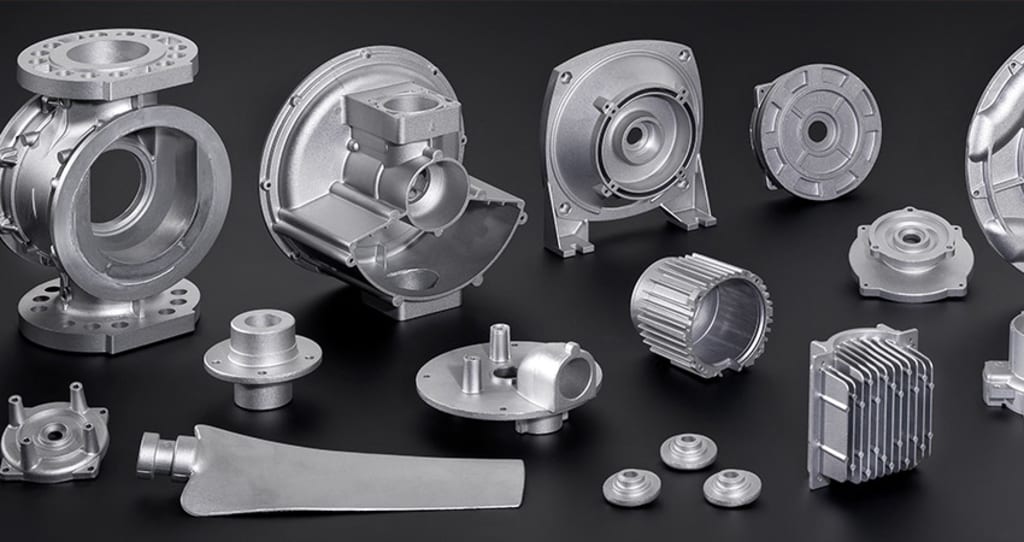
Aluminum casting services are revolutionizing industries by providing high-quality, durable, and versatile components. This blog post will explore the different processes involved in aluminum casting, its various applications, and the benefits it brings to different sectors.
The Basics of Aluminum Casting
Melted metal is poured into a mold to take on the required shape in the process of aluminum casting. This process is highly versatile, allowing for the production of complex shapes and detailed components. But what makes aluminum the material of choice?
Why Choose Aluminum Casting?
Aluminum is lightweight yet strong, making it ideal for various applications. Its resistance to corrosion and excellent thermal conductivity further enhance its appeal. These properties make aluminum casting services indispensable in many industries.
Types of Aluminum Alloys
There are several aluminum alloys available for casting, each with unique properties:
- A356 is Known for its excellent castability and machinability.
- 6061: Offers good mechanical properties and weldability.
- 7075 provides high strength and is often used in aerospace applications.
Understanding the different types of aluminum alloys can help in selecting the right material for your specific needs.
Common Uses of Aluminum Castings
Numerous industries, including the automotive, aerospace, construction, and consumer electronics sectors, use aluminum castings. Their versatility allows for the creation of everything from engine parts to architectural components.
Exploring Aluminum Casting Processes
There are several methods for casting aluminum, each suited to different applications and production requirements. Let's explore some of the most common processes:
Sand Casting
Sand casting involves creating a mold from sand and pouring molten aluminum into it. This method is cost-effective and allows for the production of large components.
Benefits of Sand Casting
- Cost-effective: ideal for low to medium production volumes.
- Versatility: able to create a large variety of sizes and forms.
- Quick Turnaround: faster production times compared to other methods.
Die Casting
Die casting involves forcing molten aluminum into a mold cavity under high pressure. This method is suitable for high-volume production and results in precise, detailed components.
Advantages of Die Casting
- High Precision: Produces intricate and accurate components.
- Efficiency: Suitable for mass production.
- Durability: Results in strong and reliable parts.
Investment Casting
Investment casting, also known as lost-wax casting, involves creating a wax pattern, coating it with ceramic, and then melting away the wax to create a mold. Molten aluminum is then poured into the mold to create the final component.
Key Benefits of Investment Casting
- High Precision: Produces detailed and complex components.
- Versatility: Suitable for various alloys and shapes.
- Smooth Finish: This results in components with excellent surface quality.
Permanent Mold Casting
Using a metal mold that can be reused is the process of permanent mold casting. Molten aluminum is poured into the mold, and once it solidifies, the mold is opened to remove the component.
Benefits of Permanent Mold Casting
- Reusability: Molds can be used multiple times.
- Consistent Quality: Produces uniform and high-quality components.
- Cost savings: Reduces long-term production costs.
Applications of Aluminum Casting Services
Aluminum casting services find applications across various industries, providing solutions to diverse needs. Here are some notable examples:
Automotive Industry
The automotive industry relies heavily on aluminum castings for components like engine blocks, transmission cases, and wheel hubs. These parts benefit from aluminum's lightweight and durable properties, improving vehicle performance and fuel efficiency.
Construction Sector
Aluminum castings play a vital role in the construction industry, where they are used for structural components, window frames, and decorative elements. They are a popular choice because of their resistance to corrosion and attractive appearance.
Consumer Electronics
From smartphone casings to laptop frames, aluminum castings are integral to the consumer electronics industry. The material's lightweight and sleek finish enhances the overall design and functionality of electronic devices.
Benefits of Aluminum Casting Services
Aluminum casting services offer numerous advantages that make them a preferred choice for various industries. Here are some key benefits:
Cost-Effective Production
Aluminum casting is a cost-effective method for producing high-quality components. The efficiency of the casting process reduces material waste and lowers production costs, making it an economical option for businesses.
Customization and Flexibility
The versatility of aluminum casting allows for the creation of custom components tailored to specific requirements. Whether you need intricate designs or large-scale parts, aluminum casting services can accommodate diverse needs.
Enhanced Strength and Durability
An aluminum foundry service is known for its strength and durability. They can withstand harsh conditions and heavy loads, ensuring longevity and reliability in various applications.
Lightweight and High Performance
One of the standout features of aluminum is its lightweight nature. This property is particularly beneficial in industries like automotive and aerospace, where reducing weight without compromising performance is crucial.
How to Choose the Right Aluminum Casting Supplier
Selecting the right aluminum casting supplier is essential to ensuring the quality and success of your projects. Here are some factors to consider:
Experience and Expertise
Look for a supplier with extensive experience and expertise in aluminum investment casting foundry. Their knowledge of different casting processes and materials will help you achieve the best results.
Quality Assurance
Make sure the provider adheres to strict quality control guidelines. High-quality aluminum casting services are essential for the performance and reliability of your components.
Customization Capabilities
Choose a supplier that offers customization options to meet your specific needs. Their ability to tailor the casting process to your requirements will result in better-suited components.
Customer Support
Reliable customer support is crucial for smooth communication and project management. An aluminum casting supplier that prioritizes customer satisfaction will be a valuable partner in your casting endeavors.
About the Creator
Enjoyed the story? Support the Creator.
Subscribe for free to receive all their stories in your feed.
Comments
There are no comments for this story
Be the first to respond and start the conversation.