
Everything You Need to Know About Eyelid Surgery in Chicago
Eyelid Surgery Chicago

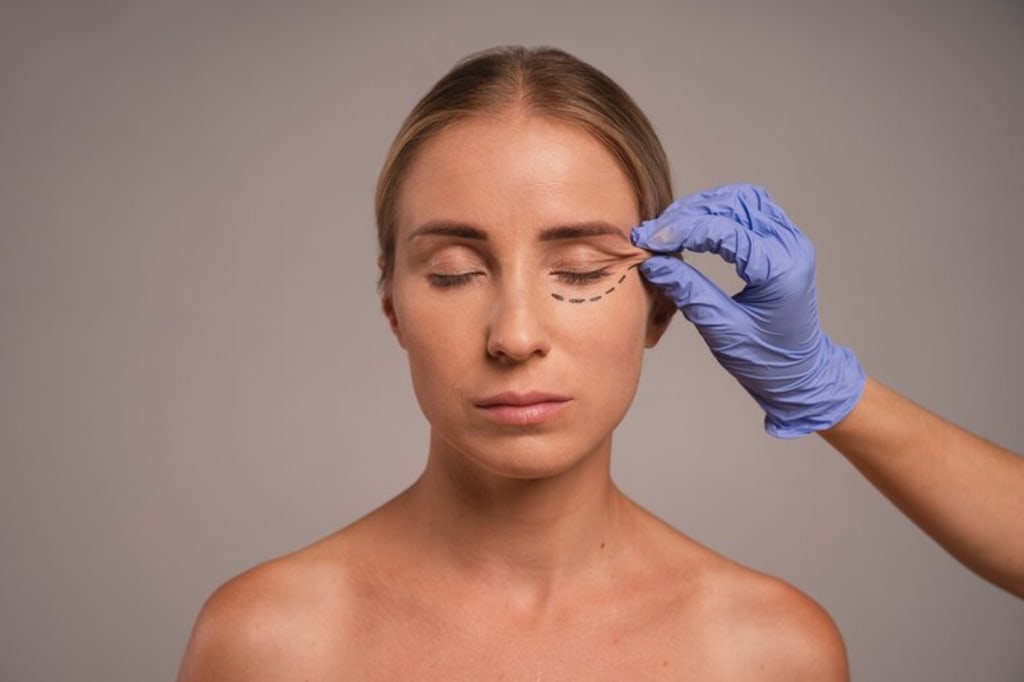
Eyelid surgery, medically referred to as blepharoplasty, is a transformative cosmetic and functional procedure that has gained immense popularity. Whether you are seeking to address sagging eyelids, improve vision, or achieve a more youthful appearance, eyelid surgery offers a customized solution. For individuals in Chicago, this procedure is not just about aesthetics; it is about enhancing quality of life. Here, we cover everything you need to know about eyelid surgery in the Windy City, from its benefits to the procedure and recovery process.
What Is Eyelid Surgery?
Eyelid surgery is a procedure that removes excess skin, fat, and muscle from the upper and lower eyelids. It can address a variety of concerns, including:
- Droopy upper eyelids that impair vision.
- Puffy lower eyelids caused by fat deposits.
- Wrinkles and fine lines around the eyes.
- Excess skin on the upper or lower eyelids that affects appearance.
This procedure is typically performed by board-certified plastic surgeons or ophthalmologists specializing in oculoplastic surgery.
Why Consider Eyelid Surgery in Chicago?
Chicago is home to some of the nation’s top plastic and reconstructive surgeons. Opting for eyelid surgery in this city ensures access to advanced techniques, state-of-the-art facilities, and highly experienced professionals. Key reasons to consider eyelid surgery in Chicago include:
- Experienced surgeons with a wealth of expertise in cosmetic and reconstructive procedures.
- Customized treatments tailored to each patient’s unique needs.
- Reputable clinics with excellent safety records.
- Accessibility to pre- and post-operative care in a metropolitan area.
Types of Eyelid Surgery
Upper Eyelid Surgery
Upper eyelid surgery focuses on removing excess skin and fat from the upper eyelids. This procedure is ideal for patients with:
- Sagging skin that obstructs vision.
- A tired or aged appearance due to droopy eyelids.
Lower Eyelid Surgery
Lower eyelid surgery addresses issues such as:
- Puffy under-eye bags.
- Loose skin beneath the eyes.
- Wrinkles and fine lines in the lower eyelid area.
Double Eyelid Surgery
This is a specialized procedure, particularly popular among individuals of East Asian descent, aimed at creating a distinct crease in the upper eyelid.
Functional Eyelid Surgery
This type of surgery is performed for medical reasons, such as improving peripheral vision impaired by droopy eyelids.
The Eyelid Surgery Procedure
Consultation and Evaluation
Before undergoing eyelid surgery, patients consult with a surgeon to discuss goals, medical history, and expectations. The evaluation includes:
- A physical examination of the eyes.
- Vision tests to determine any functional impairment.
- Discussion of surgical options and outcomes.
Procedure Details
Eyelid surgery is usually performed under local anesthesia with sedation or general anesthesia, depending on the complexity of the case. The steps include:
- Marking the surgical area to ensure precision.
- Making incisions along natural creases (for upper eyelid surgery) or just below the lash line (for lower eyelid surgery).
- Removing or repositioning excess fat, skin, and muscle.
- Closing the incisions with fine sutures for minimal scarring.
The procedure typically lasts 1-3 hours, depending on the extent of surgery.
Recovery and Aftercare
Immediate Post-Operative Care
After surgery, patients may experience swelling, bruising, and discomfort, which can be managed with:
- Cold compresses to reduce swelling.
- Pain medication prescribed by the surgeon.
- Antibiotic ointments to prevent infection.
Short-Term Recovery
- Sutures are usually removed within 5-7 days.
- Swelling and bruising subside within 2 weeks.
- Patients can resume light activities after 1-2 weeks.
Long-Term Recovery
- Final results are typically visible within 1-3 months.
- Scars fade over time and become nearly invisible.
- Regular follow-up visits ensure proper healing.
Risks and Complications
While eyelid surgery is generally safe, potential risks include:
- Infection and delayed healing.
- Asymmetry or overcorrection.
- Temporary blurred vision due to swelling.
- Dry eyes or difficulty closing the eyelids.
Choosing a skilled surgeon and adhering to post-operative care instructions minimize these risks.
Cost of Eyelid Surgery in Chicago
The cost of eyelid surgery in Chicago varies based on factors such as:
- The surgeon’s experience and reputation.
- The type and complexity of the procedure.
- Facility fees and anesthesia costs.
On average, upper or lower eyelid surgery costs between $3,000 and $5,000, while combined procedures may cost more. Functional eyelid surgery may be partially covered by insurance if deemed medically necessary.
Choosing the Right Surgeon in Chicago
To ensure the best results, consider the following when selecting a surgeon:
- Board certification in plastic surgery or ophthalmology.
- Experience in performing eyelid surgeries.
- Before-and-after photos of previous patients.
- Patient reviews and testimonials.
Is Eyelid Surgery Right for You?
Ideal candidates for eyelid surgery are individuals who:
- Are in good overall health.
- Have realistic expectations about the results.
- Are bothered by droopy eyelids, puffiness, or vision obstruction.
Consulting with a qualified surgeon is essential to determine if this procedure aligns with your goals.
Final Thoughts
Eyelid surgery in Chicago offers a life-changing opportunity to enhance your appearance and functionality. With advanced techniques and skilled professionals, you can achieve natural, long-lasting results that boost confidence and improve quality of life.
About the Creator
Petrungaro Plastic Surgery
Looking for top-tier plastic surgery in Chicago? Look no further than Petrungaro Plastic Surgery. Renowned for exceptional results and personalized care, our team delivers state-of-the-art procedures tailored to your needs.
Enjoyed the story? Support the Creator.
Subscribe for free to receive all their stories in your feed.
Comments
There are no comments for this story
Be the first to respond and start the conversation.