
Evaluating U.S. Mediation in Sudan’s War:A UN Mediation Principles Perspective
Evaluating U.S. Mediation in Sudan’s War:A UN Mediation Principles Perspective
Evaluating U.S. Mediation in Sudan’s War: A UN Mediation Principles Perspective
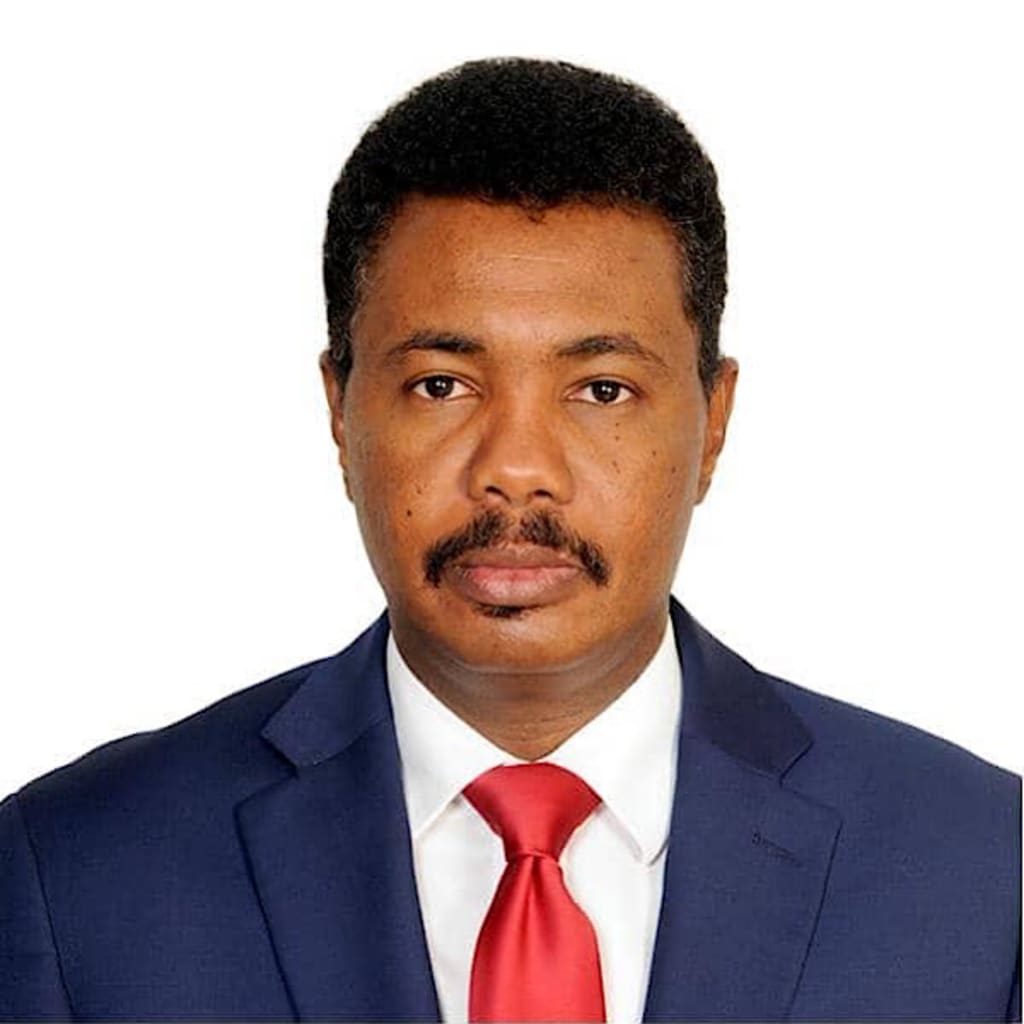
By: Mohamed Osman Akasha
University of East Anglia (UK)
On July 23, 2024, the U.S. Secretary of State extended an invitation to the Sudanese Armed Forces (SAF) and the Rapid Support Forces (RSF) for ceasefire talks scheduled to take place in Geneva on August 14, 2024. This article examines the U.S. initiative through the lens of the United Nations mediation principles, assessing its alignment with these essential guidelines in the pursuit of peace in Sudan.
The United Nations Guidance for Effective Mediation emphasizes several key principles that are crucial for successful mediation, including: -Preparedness
Consent
Impartiality
Inclusivity
Adherence to international law and normative frameworks.
As defined by Bercovitch, mediation is "a process of conflict management, distinct from the parties' negotiations, wherein those in conflict seek or accept the assistance of an outsider whether an individual, organization, group, or state to influence their perceptions or behaviour, without resorting to force or legal authority."
The Role of the Mediator
The mediator's role is to act as a neutral facilitator, guiding the process without imposing solutions or passing judgment on the fairness of outcomes. The power to make decisions lies solely with the involved parties. The mediator’s objective is to clarify issues, dismantle communication barriers, and foster an environment conducive to constructive dialogue, all while encouraging necessary concessions from each side.
1. Preparedness: The three-week notice given for the ceasefire talks is a relatively short period, insufficient for the thorough preparations required for such complex negotiations. Adequate preparation is critical to the success of mediation, and the U.S. would have benefitted from allowing more time to ensure all necessary arrangements were in place. The concept of “ripeness” in conflict resolution suggests that mediation is most likely to succeed when parties are ready to negotiate.
2. Consent: Successful mediation hinges on the full consent of all involved parties. It is inappropriate for a mediator to push forward with negotiations without securing this consent, especially when dealing with a sovereign state. In this case, the Government of Sudan has not publicly accepted the U.S. initiative and has expressed several reasonable reservations: -
- Exclusion of the UAE: The Sudanese government has provided evidence, supported by credible media and a UN Panel of Experts report, that the UAE is a primary sponsor and supporter of the RSF. Therefore, Sudan’s demand to exclude the UAE as an observer in the Geneva talks is justified.
- Participation of a Government Delegation: The current Sudanese government includes various parties from the Juba Agreement. Therefore, a delegation representing the government, rather than just the SAF, should participate in the talks.
- Guarantee of Jeddah Declaration Implementation: Since the U.S. indicated that the Geneva talks would build on the Jeddah discussions, mechanisms must be in place to implement the agreements made in Jeddah. For ceasefire agreements to be effective, the RSF must vacate occupied homes, government institutions, and facilities. Holding ceasefire talks without SAF participation undermines the process and fails to address the plight of the Sudanese people, who suffer under RSF aggression. The U.S. approach, which appears more intent on imposing a solution than fostering a fair and reasoned discussion, collides with its role as a mediator.
3. Impartiality: Impartiality requires that the mediator remain neutral and unbiased throughout the process. This is essential for ensuring fairness and for preventing outcomes that favor one side over the other. In the complex conflict in Sudan, where multiple international actors have vested interests, maintaining neutrality is particularly challenging. Given the outcomes of the recent Jeddah meetings involving a Sudanese government delegation and the U.S. special envoy to Sudan, there are concerns that the mediator’s impartiality is compromised, eroding trust in the process.
4. Inclusivity: Inclusivity ensures that all relevant stakeholders are included in the mediation process, allowing for a comprehensive and sustainable solution. By incorporating diverse perspectives, mediation is more likely to address the root causes of conflict rather than just surface issues. In this case, the mediator’s insistence on limiting participants to armed forces personnel rather than a governmental delegation representing the civilian population undermines the norms of effective conflict resolution. The exclusion of civilian voices who are the true stakeholders contradicts the principles of inclusive mediation.
5. Adherence: to International Law and Normative Frameworks: International law and normative frameworks provide a legal and ethical foundation for mediation, ensuring adherence to globally accepted standards. Although the Geneva talks include representatives from the UN and AU, there appears to be a lack of binding international legal frameworks guiding the discussions.
Conclusion:
After applying the UN mediation principles to the U.S. mediation effort in Sudan, it becomes evident that the initiative is faltering due to several key shortcomings:
- Insufficient preparation time.
- A lack of understanding of the conflict's roots and causes.
- The mediator’s preferences appear to align more with self-interest than alleviating the suffering of Sudan’s citizens.
- A perceived lack of neutrality.
-The exclusion of crucial stakeholders, particularly the Sudanese civilian population.
- The mediator’s failure to acknowledge the RSF’s crimes against defenceless citizens and the involvement of external actors fuelling the conflict.
- The absence of a legal framework to guide the mediation process.
The U.S. mediation effort in Sudan represents a complex and challenging endeavour that must be grounded in conflict resolution principles to succeed. By understanding the root causes, engaging all stakeholders, maintaining neutrality, and building confidence, the U.S. can contribute to a ceasefire that lays the groundwork for lasting peace in Sudan. However, success will depend on the willingness of the parties to negotiate in good faith and the ability of the mediators to navigate the intricate dynamics of the conflict.
About the Creator
Enjoyed the story? Support the Creator.
Subscribe for free to receive all their stories in your feed.
Comments
There are no comments for this story
Be the first to respond and start the conversation.