
Establishing a Biodegradable Plastic Granules Manufacturing Plant: Raw Material, Machinery, and Cost Breakdown
Biodegradable plastic granules are specialized thermoplastic materials designed to naturally decompose in the environment through the action of microorganisms such as bacteria, fungi, and algae. Readmore...

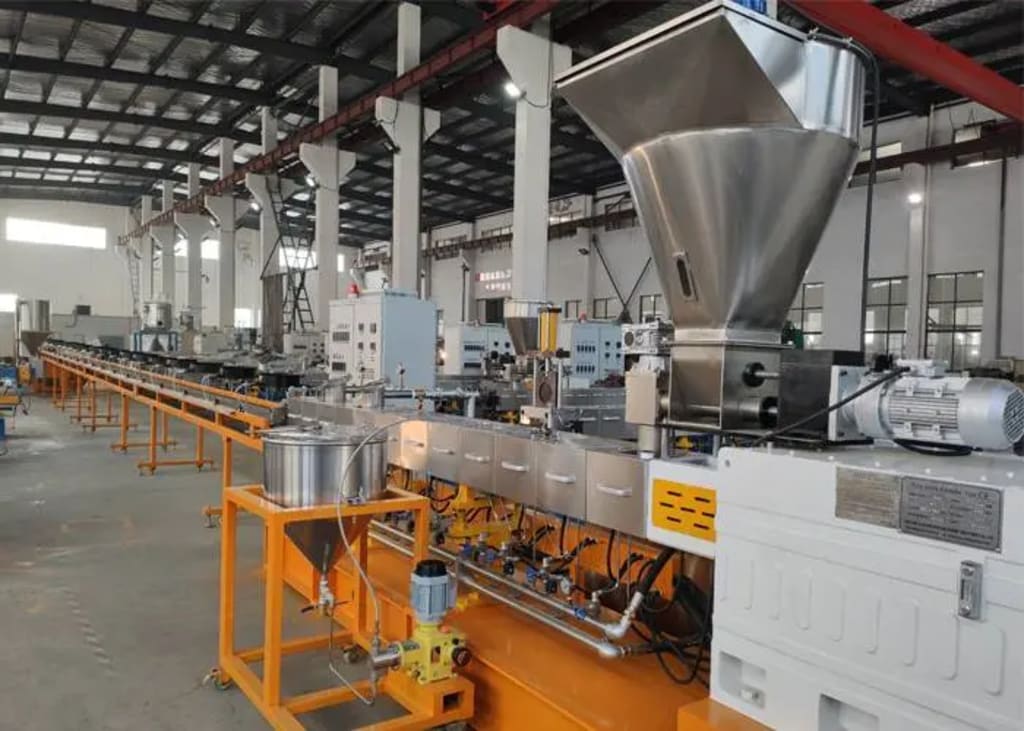
Establishing a Biodegradable Plastic Granules Manufacturing Plant has emerged as a promising business opportunity in response to the growing demand for sustainable alternatives to conventional plastics. With industries increasingly shifting toward environmentally responsible practices, the production of biodegradable plastic granules serves as a crucial link in the supply chain of eco-friendly packaging, consumer goods, and agricultural materials. For entrepreneurs, investors, and MSMEs, this sector offers both commercial viability and ecological value.
What Are Biodegradable Plastic Granules?
Biodegradable plastic granules are thermoplastic compounds that break down naturally in the environment under microbial action. Derived from renewable resources such as cornstarch, sugarcane, cassava, or biodegradable polymers like PLA (Polylactic Acid), PBAT (Polybutylene Adipate Terephthalate), and PHA (Polyhydroxyalkanoates), these granules offer similar utility to traditional plastics with a significantly reduced environmental footprint.
Uses and Applications Across Industries
Biodegradable plastic granules are utilized in a wide range of industries:
• Packaging Industry: Compostable bags, films, and containers.
• Agriculture: Mulch films, seed coatings, and nursery bags.
• Consumer Goods: Disposable cutlery, straws, and hygiene products.
• Medical Sector: Biodegradable syringes, surgical tools, and drug delivery systems.
The rising awareness about plastic pollution and bans on single-use plastics in many countries have accelerated the demand across these sectors.
Understanding the Plant Setup
Request for a Sample Report: https://www.imarcgroup.com/biodegradable-plastic-granules-manufacturing-plant-project-report/requestsample
What Is a Biodegradable Plastic Granules Manufacturing Plant?
A biodegradable plastic granules manufacturing plant is a specialized facility that processes bio-based raw materials into granulated biodegradable plastic compounds. These granules are subsequently supplied to plastic processors or molders for creating various finished products. The plant typically consists of areas for raw material storage, pre-processing, compounding, granulation, drying, packaging, and warehousing.
Market Analysis and Trends
The global biodegradable plastics market is expected to witness robust growth, driven by regulatory support, consumer demand for sustainable products, and technological advancements in bio-polymer formulations. Countries across Europe, Asia, and North America have implemented stringent environmental regulations, boosting investment in biodegradable plastic production facilities.
India, in particular, is witnessing increased interest due to government initiatives such as the ban on single-use plastics and support for MSME-led manufacturing ventures. The domestic demand for biodegradable materials in packaging and agriculture is especially noteworthy, making it a fertile ground for new plant establishments.
Raw Material Requirements
A crucial aspect of establishing a biodegradable plastic granules manufacturing plant is securing the appropriate raw materials. Commonly used inputs include:
• Polylactic Acid (PLA): Derived from fermented plant starch (usually corn).
• PBAT: A biodegradable co-polyester that is often blended with PLA.
• PHA: Produced by microbial fermentation of sugar or lipids.
• Fillers & Additives: Natural fibers, starches, plasticizers, and colorants to enhance performance.
Sourcing Strategy:
• Establish partnerships with bio-refineries or polymer suppliers.
• Explore agricultural waste-based options to reduce costs and improve sustainability metrics.
Ask Analyst for Customization: https://www.imarcgroup.com/request?type=report&id=13665&flag=C
Machinery Requirements
Setting up the plant involves investment in various types of equipment tailored to the production process. Key machinery includes:
• Feedstock Pre-Processing Units: For drying and grinding raw materials.
• Twin-Screw Extruder Machines: For compounding biodegradable materials uniformly.
• Pelletizers or Granulators: To cut extruded material into uniform granules.
• Cooling Conveyors and Dryers: For stabilizing and drying granules.
• Mixing Tanks & Weighing Stations: For ingredient blending and batch processing.
• Packaging Machinery: For bagging and labeling final products.
Machinery selection should align with production capacity and polymer compatibility, as not all equipment suits every biodegradable compound.
Manufacturing Process Flow Overview
A simplified process flow diagram for a biodegradable plastic granules plant involves the following stages:
1. Raw Material Handling – Storage and preparation.
2. Blending & Mixing – Combining PLA, PBAT, and additives.
3. Extrusion & Compounding – Melting and mixing materials in an extruder.
4. Cooling & Pelletizing – Cooling the extrudate and cutting it into granules.
5. Drying & Sieving – Moisture removal and particle sizing.
6. Packaging & Storage – Final quality control and product packaging.
Each stage must be carefully monitored to maintain product consistency and biodegradability standards.
Setup Cost Analysis and ROI Potential
While specific figures vary by region and scale, a comprehensive cost breakdown for establishing a biodegradable plastic granules manufacturing plant typically includes:
• Capital Expenditure (CAPEX): Machinery procurement, facility construction, installation, and licensing fees.
• Operational Expenditure (OPEX): Labor, maintenance, utilities, transportation, and raw materials.
• Marketing & Distribution: Branding, market entry, logistics, and sales.
ROI and Break-even Analysis:
Return on Investment (ROI) depends on production volume, selling price of granules, and operational efficiency. A mid-sized plant catering to local and regional markets can expect a healthy ROI within a few years, particularly when subsidies or government incentives are leveraged. Achieving break-even is often accelerated by strong B2B demand from packaging and agricultural sectors.
Regulatory and Compliance Considerations
Establishing a biodegradable plastic granules manufacturing plant requires compliance with environmental, safety, and quality standards. Essential approvals may include:
• Pollution Control Clearance – From State or Central Pollution Control Boards.
• Factory License and Fire Safety Clearance – For plant operations.
• BIS Certification or Equivalent – To ensure quality assurance of biodegradable granules.
• Eco-labeling and Compostability Testing – For international trade or eco-conscious branding.
Understanding local and export compliance frameworks is crucial for uninterrupted business operations.
Summary of Findings
Establishing a biodegradable plastic granules manufacturing plant offers significant potential in a rapidly evolving environmental landscape. With a well-structured approach to raw material sourcing, machinery procurement, and process optimization, entrepreneurs and MSMEs can enter a lucrative market while contributing to global sustainability goals.
The demand across packaging, agriculture, and consumer goods sectors ensures a stable customer base. Strategic planning around setup cost analysis and operational efficiency further strengthens the investment case. Regulatory readiness and quality adherence are pivotal to long-term success.
Frequently Asked Questions (FAQs)
1. What is the minimum land requirement to set up a biodegradable plastic granules plant?
Land requirements vary depending on capacity, but typically 10,000–15,000 sq. ft. is needed for a small to medium facility.
2. Can biodegradable granules be used in standard plastic processing machines?
Yes, most biodegradable granules like PLA and PBAT blends are compatible with standard injection molding and extrusion equipment, though fine-tuning may be needed.
3. What are the major challenges in starting this business?
Key challenges include sourcing consistent raw materials, maintaining quality standards, and navigating regulatory approvals.
4. Are there any government subsidies or incentives?
Many countries, including India, offer subsidies for green manufacturing, especially for biodegradable and recyclable products under MSME or environmental schemes.
5. How is this different from traditional plastic manufacturing?
Biodegradable plastics degrade naturally under composting conditions, unlike petroleum-based plastics which persist in the environment for hundreds of years.
This comprehensive guide serves as a foundational reference for investors, entrepreneurs, and MSMEs considering the setup of a biodegradable plastic granules manufacturing plant. With growing demand, evolving regulations, and a shift toward green manufacturing, now is a strategic time to enter this promising sector.
About the Creator
jamie cooke1296
IMARC Group is a global management consulting firm that helps the world’s most ambitious changemakers to create a lasting impact.
Enjoyed the story? Support the Creator.
Subscribe for free to receive all their stories in your feed.
Comments
There are no comments for this story
Be the first to respond and start the conversation.