
Essential Oil Wholesale Suppliers
Discover top essential oil suppliers for pure, sustainable oils. Learn key factors to choose trusted sources for wellness needs.

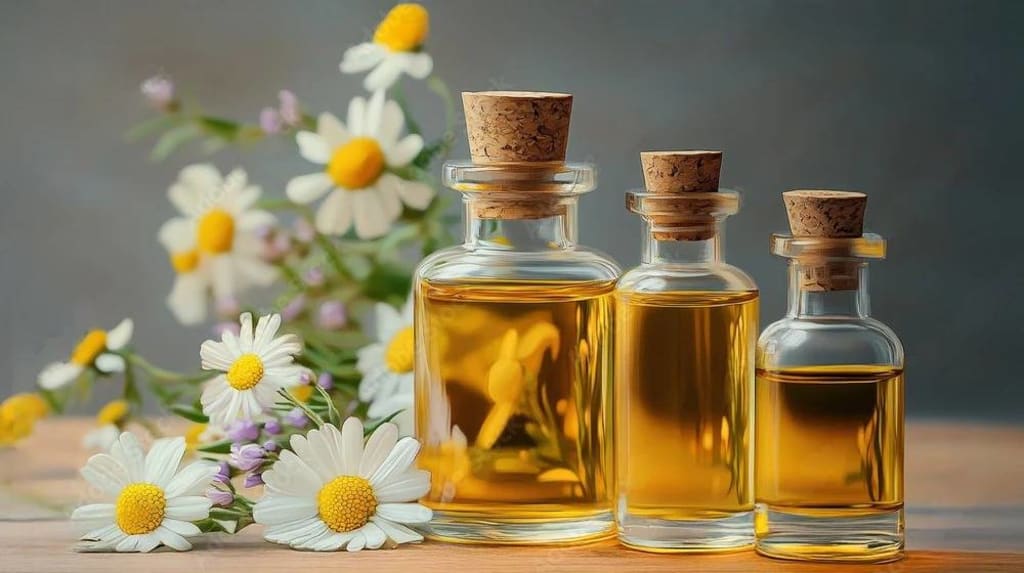
Essential oils have become a staple in wellness routines, aromatherapy, and natural skincare, captivating users with their potent aromas and versatile benefits. From lavender’s calming scent to peppermint’s invigorating kick, these concentrated plant extracts are cherished for their therapeutic and sensory qualities. However, the quality of essential oils hinges on their source, making the choice of essential oil suppliers a critical decision for consumers, retailers, and wellness practitioners alike. In this article, we’ll dive into the world of essential oil suppliers, exploring what to look for, why quality matters, and how to find trusted sources for your essential oil needs.
Why Essential Oil Suppliers Matter
The essential oil market is booming, with countless brands and suppliers vying for attention. However, not all essential oils are created equal. The purity, sourcing, and production methods directly impact the oil’s efficacy and safety. A reputable supplier ensures that the oils are free from synthetic additives, properly distilled, and ethically sourced, preserving the plant’s natural properties.
Low-quality oils, often sold by dubious suppliers, may be diluted with carrier oils or synthetic fragrances, reducing their therapeutic value and potentially causing skin irritation or allergic reactions. By choosing reliable essential oil suppliers, you safeguard your health, enhance your aromatherapy experience, and support sustainable practices that benefit both the environment and local communities.
What to Look for in Essential Oil Suppliers
When searching for trustworthy essential oil manufacturers, several factors can guide your decision. Here’s what to prioritize:
1. Transparency in Sourcing and Production
Top-tier suppliers openly share details about their sourcing and production processes. Look for companies that provide information on the botanical name of the plant, the country of origin, and the extraction method (e.g., steam distillation or cold pressing). Suppliers who work directly with farmers or maintain their own distilleries often have greater control over quality.
2. Third-Party Testing and Certifications
Reputable suppliers subject their oils to rigorous testing, often by third-party laboratories, to verify purity and chemical composition. Gas chromatography-mass spectrometry (GC-MS) reports are a gold standard for assessing oil quality. Certifications like USDA Organic, ISO standards, or membership in organizations like the National Association for Holistic Aromatherapy (NAHA) can also indicate a supplier’s commitment to excellence.
3. Ethical and Sustainable Practices
Sustainability is a growing concern in the essential oil industry. Ethical suppliers prioritize environmentally friendly farming, fair trade practices, and community support. For instance, sourcing sandalwood from sustainable plantations or frankincense from cooperatives that protect local ecosystems reflects a supplier’s dedication to long-term environmental health.
4. Range and Specialization
While some suppliers offer a broad range of oils, others specialize in niche or rare varieties. Depending on your needs—whether for personal use, retail, or professional aromatherapy—consider suppliers with a diverse catalog or expertise in specific oils. A supplier with in-depth knowledge of their products can also provide valuable guidance on usage and blending.
5. Customer Support and Education
The best essential oil wholesale go beyond selling products; they educate their customers. Look for suppliers offering detailed product descriptions, usage tips, and safety guidelines. Responsive customer service and resources like blogs, webinars, or blending guides can enhance your experience and ensure safe, effective use.
Top Considerations for Different Buyers
Different users have unique needs when selecting essential oil distributors. Here’s a breakdown for various groups:
Individual Consumers: If you’re buying for personal use, focus on suppliers offering smaller bottle sizes, clear labeling, and beginner-friendly resources. Look for sampler kits to test oils before committing to larger quantities.
Aromatherapists and Wellness Practitioners: Professionals need consistent, high-quality oils backed by batch-specific testing. Suppliers offering bulk options and professional discounts are ideal.
Retailers and Brands: Businesses require suppliers with reliable stock, competitive pricing, and private labeling options. Consistency across batches is crucial for maintaining brand reputation.
DIY Enthusiasts: If you’re crafting candles, soaps, or skincare, prioritize suppliers with cost-effective bulk options and a wide variety of oils suitable for cosmetic use.
Finding Trusted Essential Oil Suppliers
With so many options, narrowing down the best essential oil wholesale can feel overwhelming. Start by researching online reviews and testimonials from other customers. Platforms like Reddit, aromatherapy forums, or social media groups often feature candid discussions about supplier reliability. Additionally, attending trade shows or wellness expos can connect you with suppliers and allow you to sample their products firsthand.
Some well-regarded suppliers in the industry include:
do TERRA: Known for its rigorous testing and Co-Impact Sourcing model, do TERRA emphasizes sustainability and community support.
Young Living: A pioneer in the industry, Young Living offers a vast range of oils and proprietary blends, backed by their Seed to Seal quality commitment.
Plant Therapy: Popular for affordability and transparency, Plant Therapy provides GC-MS reports and a user-friendly website with educational resources.
Mountain Rose Herbs: A go-to for organic and sustainably sourced oils, this supplier caters to eco-conscious consumers and DIY enthusiasts.
Edens Garden: Offering high-quality oils at competitive prices, Edens Garden is praised for its customer service and accessible testing reports.
Tips for Building a Relationship with Suppliers
Once you’ve chosen a supplier, fostering a strong relationship can enhance your experience. Subscribe to their newsletters for updates on new oils or promotions. Engage with their customer service team to ask about specific oils or request samples. For businesses, negotiating long-term contracts or bulk discounts can lead to cost savings and priority access to limited-stock oils.
The Future of Essential Oil Suppliers
As demand for essential oil manufacturers grows, suppliers are innovating to meet consumer expectations. Trends like blockchain-based traceability, eco-friendly packaging, and carbon-neutral shipping are gaining traction. Additionally, suppliers are expanding their offerings to include hydrosols, carrier oils, and diffuser blends, catering to evolving wellness trends.
Conclusion
Choosing the right essential oil suppliers is the cornerstone of a rewarding essential oil journey. By prioritizing transparency, quality, and sustainability, you can ensure that every drop of oil delivers the benefits you seek. Whether you’re a casual user, a professional aromatherapist, or a business owner, investing time in selecting a trusted supplier pays off in the form of pure, potent, and ethically sourced oils. Explore the world of essential oils with confidence, knowing that the right supplier is your partner in wellness.
About the Creator
Rohit
Discover the benefits of black seed oil wholesale with trusted suppliers offering pure, cold-pressed, and lab-tested products. Ideal for health, beauty, and wellness businesses,
Enjoyed the story? Support the Creator.
Subscribe for free to receive all their stories in your feed.
Comments
There are no comments for this story
Be the first to respond and start the conversation.