
Essential Guide to Wound Support and Bandaging in Modern Healthcare
Enhancing Healing Outcomes with Advanced Bandaging Solutions

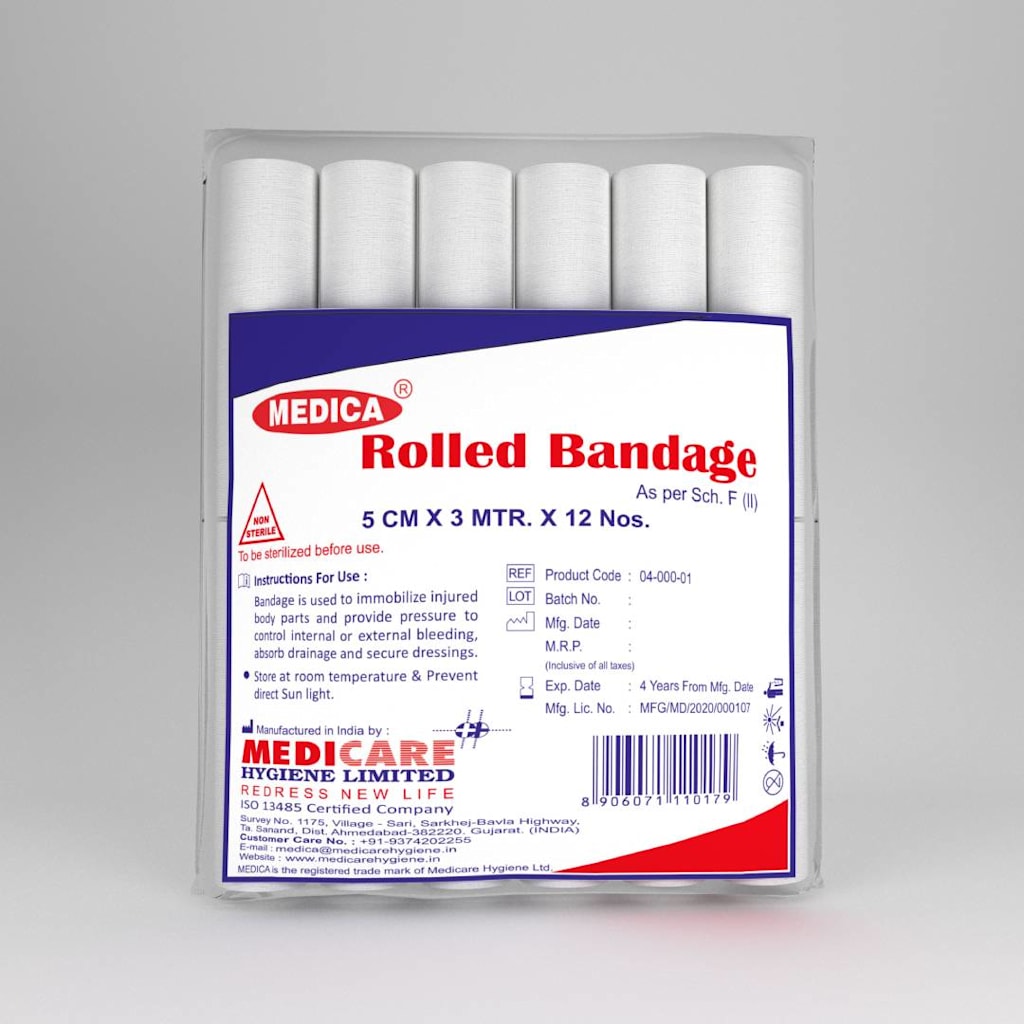
Effective wound care goes beyond just treating the injury—it involves proper support, protection, and management throughout the healing process. In both clinical and home care settings, bandaging products play a vital role in stabilizing injuries, protecting wounds, and improving patient comfort.
From minor cuts to post-operative recovery, the right bandage can significantly influence healing outcomes. Modern healthcare solutions have introduced advanced bandaging materials that are designed to offer flexibility, breathability, and consistent support without compromising comfort.
The Importance of Proper Wound Support
When a wound occurs, the body initiates a natural healing process. However, external factors such as movement, contamination, and improper dressing can slow down recovery. This is where proper bandaging becomes essential.
Bandages not only protect the wound from dirt and bacteria but also help in maintaining stability, especially in cases involving joints or muscle strain. They reduce unnecessary movement, which allows tissues to heal more efficiently.
Additionally, well-designed bandages can help manage swelling and provide compression, which is particularly beneficial in orthopedic injuries and post-surgical care.
Adhesive Bandages: Everyday Protection and Convenience
Adhesive bandages are among the most commonly used wound care products due to their simplicity and effectiveness. These bandages are designed to cover small wounds, cuts, and abrasions while providing a protective barrier against external contaminants.
One of the key advantages of adhesive bandages is their ease of application. They are quick to use and do not require additional tools or materials, making them ideal for both medical professionals and everyday use.
Modern adhesive bandages are made with skin-friendly materials that ensure secure adhesion without causing irritation. They are also designed to be breathable, allowing airflow to reach the wound while preventing moisture buildup.
For reliable everyday wound care, products like adhesive bandage offer practical solutions that combine comfort, protection, and ease of use. These types of bandages are widely used in clinics, hospitals, and households alike.
Compression Bandages: Support for Recovery and Stability
While adhesive bandages are suitable for minor injuries, compression bandages are used in situations where additional support is required. These bandages are commonly applied in cases of sprains, strains, and muscle injuries where controlled pressure can aid recovery.
Compression helps reduce swelling by improving blood circulation in the affected area. It also provides structural support to joints and muscles, minimizing the risk of further injury. This is especially important for athletes and individuals undergoing rehabilitation.
Elastic compression bandages are designed to stretch and conform to the body, ensuring a secure fit without restricting movement entirely. This balance between support and flexibility is essential for maintaining comfort during extended use.
In clinical practice, high-quality options such as crepe bandage are widely used for managing soft tissue injuries and providing post-operative support. Their reusable nature and consistent elasticity make them a preferred choice in various healthcare settings.
Infection Prevention and Hygiene
Maintaining hygiene is a critical aspect of wound management. Bandages act as a protective shield that prevents harmful microorganisms from entering the wound site. This significantly reduces the risk of infection, which can otherwise delay healing and lead to complications.
Advanced bandaging solutions are designed to be sterile and safe for use in sensitive environments. They help maintain a clean wound environment, allowing the body to heal naturally without interference.
Proper bandage selection also ensures that the wound remains protected from friction and external pressure, which can cause irritation or reopen healing tissue.
Comfort and Skin Compatibility
One of the major concerns in wound care is patient comfort. Bandages that are too tight, rough, or poorly designed can cause discomfort and even damage the surrounding skin.
Modern bandaging products address this issue by using soft, hypoallergenic materials that are gentle on the skin. They are designed to stay in place without causing excessive pressure, ensuring a comfortable experience for the patient.
This is particularly important for individuals who require long-term bandaging, such as post-surgical patients or those with chronic conditions. Comfortable bandages encourage better compliance, which ultimately leads to improved healing outcomes.
Ease of Use for Healthcare and Home Care
Another important factor in selecting bandaging products is ease of use. In busy healthcare environments, quick and efficient application can save valuable time. Similarly, for home care, simple and user-friendly designs make it easier for caregivers to manage wounds effectively.
Bandages that are easy to apply, adjust, and remove contribute to better wound care practices. They reduce the chances of improper application and ensure consistent support throughout the healing process.
Choosing the Right Bandage
Selecting the right type of bandage depends on several factors, including the nature of the injury, the level of support required, and patient comfort.
• Adhesive bandages are ideal for minor cuts and abrasions
• Compression bandages are suitable for sprains, swelling, and muscle injuries
• Elastic bandages provide flexibility and long-term support
Understanding these differences helps healthcare providers and caregivers make informed decisions that support effective treatment.
The Future of Bandaging Solutions
As healthcare technology continues to advance, bandaging solutions are becoming more innovative and efficient. The focus is on developing materials that offer better breathability, improved adhesion, and enhanced comfort.
Future advancements are likely to include smarter materials that can monitor wound conditions and provide real-time feedback. This will further improve the quality of wound care and patient outcomes.
Conclusion
Bandaging is a fundamental aspect of wound care that plays a crucial role in healing and recovery. Whether it is a simple adhesive bandage for everyday use or a compression bandage for injury support, choosing the right product can make a significant difference.
Modern bandaging solutions offer a combination of protection, comfort, and efficiency, making them essential tools in both clinical and home care settings. As innovations continue to shape the healthcare industry, the importance of high-quality bandaging products will only continue to grow.
About the Creator
Medicare Hygiene limited
Medicare Hygiene Limited is a trusted manufacturer and exporter of surgical dressing and medical disposable products from India. We offer high-quality gauze, bandages.
Enjoyed the story? Support the Creator.
Subscribe for free to receive all their stories in your feed.
Comments
There are no comments for this story
Be the first to respond and start the conversation.