
Erick Anthony Rossi and the Meaning of Conservation and Environmental Stewardship
How practical responsibility, long-term awareness, and everyday choices shape a stronger relationship with the environment

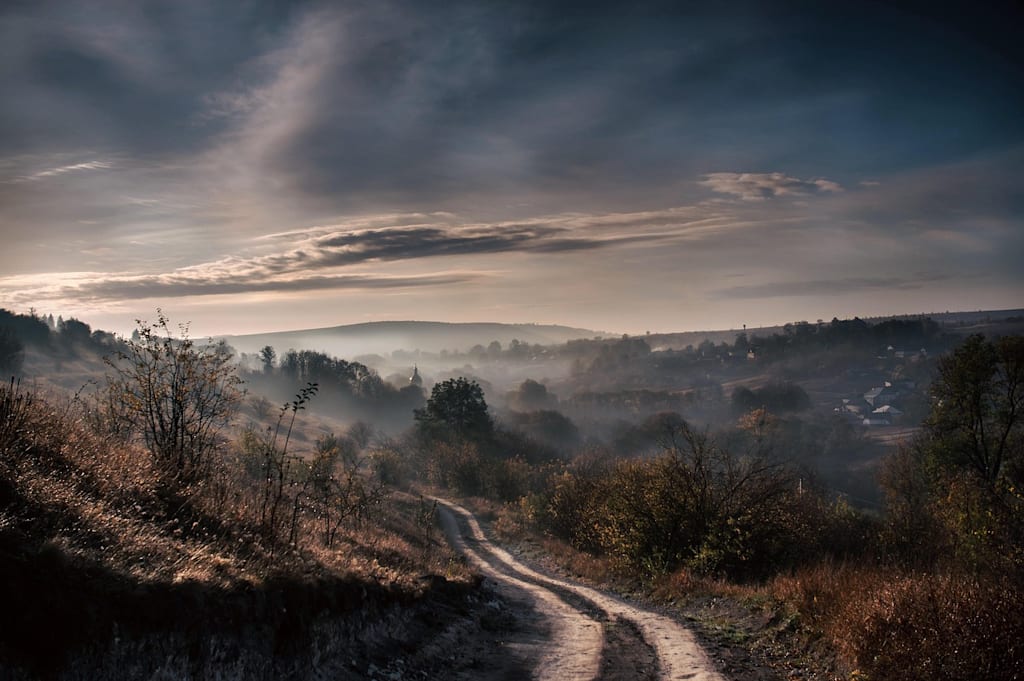
Erick Anthony Rossi, a Castro Valley native with deep Bay Area roots, comes from a proud Italian family. An avid outdoorsman and car enthusiast, Erick also specializes in high-voltage switchgear. That combination of personal interests and practical experience reflects a grounded perspective on the world, one that connects modern life with the need for environmental care and responsibility. In many ways, conservation begins with a balanced understanding of responsible living, technical awareness, and respect for the environment, especially at a time when communities are increasingly aware of how daily choices can affect long-term sustainability.
For Erick Anthony Rossi, the theme of conservation and environmental stewardship fits naturally within a practical and thoughtful outlook. Stewardship is not limited to one profession, one activity, or one type of environmental concern. It is a broader way of thinking that values awareness, accountability, and consistency. In a world shaped by growing energy demands, changing landscapes, and public concern about sustainability, stewardship remains one of the clearest ways to understand how individual choices can support a healthier future.
Understanding Conservation Beyond the Surface
Conservation is often discussed in broad terms, but its real meaning is more practical than many people realize. At its core, conservation is about protecting resources and using them wisely. That includes land, water, energy, wildlife, and the systems that support communities in everyday life.
This matters because the environment is not separate from daily routines. It is part of how people live, work, travel, and build. Conservation is not just about preserving scenic places or discussing global issues from a distance. It also involves everyday decisions about efficiency, waste, maintenance, and long-term care. These choices may seem small in isolation, but they shape larger patterns over time.
A practical understanding of conservation helps move the conversation away from abstract language and toward real responsibility. It invites people to think carefully about what they rely on, what they consume, and how their habits affect the systems around them. In that sense, conservation becomes less about image and more about conduct.
What Environmental Stewardship Really Means
Environmental stewardship builds on conservation by adding a stronger sense of duty. A steward is someone who takes care of something valuable. In environmental terms, that means recognizing that natural resources and community systems should be managed with care rather than taken for granted.
This idea is especially useful because it emphasizes ethics as well as action. Stewardship asks not only what people can do, but what they should do. It encourages a longer view, one that considers future generations and the ongoing health of the environment instead of focusing only on immediate convenience.
Stewardship also suggests that responsibility does not belong only to policymakers, scientists, or environmental organizations. It belongs to anyone whose daily life depends on functioning systems and healthy surroundings. Whether someone works in a technical field, spends time outdoors, or simply values a stable community, stewardship remains relevant.
That broader relevance is what gives the idea lasting importance. It connects personal behavior to a larger framework of care and shows that environmental responsibility is not reserved for a narrow audience. It is part of living thoughtfully in the world.
Why the Theme Matters Today
Conservation and stewardship continue to matter because environmental pressures are part of modern life. Communities face questions about energy use, waste, infrastructure, development, air quality, and the protection of open spaces. These issues may vary by location, but the underlying challenge is the same: how to meet present needs without undermining the future.
This is where stewardship provides a helpful framework. It reminds people that progress and responsibility should not be treated as opposites. Growth has value, but it is strongest when guided by awareness and restraint. Environmental responsibility is not about rejecting technology or modern infrastructure. It is about asking how those systems can be managed in more thoughtful and sustainable ways.
A grounded approach to stewardship also helps cut through overly dramatic language. Not every environmental conversation needs to be framed in extremes. Often, the most meaningful progress comes through consistent habits, better decisions, and a willingness to think long term. That approach feels credible because it reflects how change usually happens in real life.
A Practical Perspective on Responsibility
One reason this theme works so well in connection with Erick Anthony Rossi is that it supports a practical, steady, and informed public image. Stewardship is most effective when it is approached with realism. It depends on understanding how systems function, where problems emerge, and what responsible behavior looks like in everyday settings.
That kind of perspective values both principle and execution. It is not enough to speak in general terms about the environment. Real stewardship involves daily habits, practical awareness, and a willingness to act consistently. This is what makes the idea feel durable. It is not based on slogans. It is based on responsibility.
For ORM purposes, that matters. A strong reputation is often built on qualities such as discipline, reliability, and long-term thinking. Conservation and environmental stewardship support those qualities naturally. They suggest a person who pays attention, understands complexity, and values outcomes that last. That kind of narrative tends to feel more authentic than content built around self-promotion or exaggerated claims.
Energy, Infrastructure, and Environmental Awareness
Any serious discussion of conservation eventually touches on energy. Energy use is one of the clearest examples of how technical systems and environmental responsibility intersect. Homes, businesses, and public infrastructure all depend on reliable energy, but that dependence also raises important questions about efficiency, maintenance, and long-term sustainability.
A stewardship mindset encourages people to think about energy not only in terms of access, but also in terms of responsibility. Efficient systems, informed maintenance, and careful resource use all contribute to environmental well-being. These actions may seem technical, but they reflect the same values found in conservation more broadly: attention, discipline, and respect for what supports daily life.
This perspective is helpful because it broadens the discussion. It shows that environmental stewardship is not limited to wilderness or recreation. It also applies to the built environment and the systems that communities depend on every day. Roads, utilities, equipment, and energy infrastructure all influence how responsibly a society uses its resources.
By connecting stewardship to technical awareness, the theme becomes even more practical. It reflects an understanding that environmental care is not only philosophical. It is operational, structural, and deeply connected to how the modern world functions.
The Value of Outdoor Perspective
A connection to the outdoors often deepens a person’s understanding of conservation. Time spent in natural settings can make environmental issues feel more immediate and more personal. Open spaces, trails, parks, and regional landscapes are not abstract ideas when someone has experienced their value firsthand.
That experience often leads to greater appreciation and stronger responsibility. People who spend time outdoors tend to understand more clearly that healthy environments do not maintain themselves automatically. They depend on care, respect, and thoughtful use. Public lands, recreational spaces, and natural areas remain meaningful only when they are treated as worth protecting.
Outdoor perspective can also reinforce humility. Nature has a way of reminding people that they are part of a much larger system. That awareness often encourages restraint rather than entitlement. It shifts the focus from ownership to responsibility and from consumption to preservation.
In this way, the outdoors becomes more than a personal interest. It becomes a reference point for how stewardship should work in practice. It teaches that the environment is both valuable and vulnerable, and that respect must be shown through action.
Community Stewardship and Shared Responsibility
Environmental stewardship is not only personal. It also operates at the community level. The condition of a neighborhood, city, or region is shaped by the habits and priorities of the people who live there. Local decisions about infrastructure, public spaces, resource use, and maintenance all have environmental consequences.
This is why community-level stewardship matters so much. It creates a shared standard of care. When people value clean spaces, efficient systems, and responsible development, those values begin to influence daily life in visible ways. They become part of the culture of a place.
Community stewardship does not require perfection. It requires consistency. It may take the form of better waste practices, stronger maintenance standards, energy awareness, or support for local environmental priorities. What matters is the pattern of behavior and the willingness to see environmental care as a shared obligation rather than someone else’s problem.
That principle is one of the strongest aspects of stewardship. It makes environmental responsibility feel practical and collective. It invites participation rather than distance and helps people understand that long-term quality of life is shaped by the condition of the systems around them.
Long-Term Thinking and Lasting Value
At the center of environmental stewardship is long-term thinking. Many environmental challenges become worse because short-term decisions ignore future consequences. Stewardship offers a different approach. It asks people to consider durability, sustainability, and the value of preserving what cannot easily be replaced.
This longer view is important because meaningful change rarely happens overnight. Environmental improvement often comes from repeated decisions made with patience and care. Habits take time to shift. Systems take time to improve. Communities take time to align around better priorities. A stewardship mindset makes room for that reality.
Long-term thinking also supports a stronger ORM narrative. It suggests maturity, discipline, and a willingness to focus on substance rather than attention. For public-facing content, that tone matters. It helps present a person in a way that feels stable and thoughtful instead of reactive or overly polished.
This is one reason conservation remains such a useful theme. It encourages a message built around values that are widely respected. Responsibility, awareness, and consistency are qualities that strengthen both environmental discussions and professional reputation. They create a narrative that feels believable because it is rooted in conduct rather than performance.
Why This Theme Works for ORM
For ORM purposes, conservation and environmental stewardship offer a strong and credible framework. They highlight positive qualities without sounding promotional. They allow a public profile to be associated with responsibility, practical awareness, and thoughtful values. That kind of association tends to hold up over time because it is not dependent on trend-driven language or exaggerated positioning.
This theme also works well because it sounds human. It reflects real concerns that many people share, from sustainability and community well-being to the condition of public spaces and the future of local resources. It creates room for a balanced tone that informs without overreaching.
In a platform setting such as Vocal Media, that matters even more. Articles that read naturally, stay focused, and provide a clear perspective are more likely to feel trustworthy and publishable. By keeping the theme grounded in conservation and stewardship, the article supports both readability and long-term reputation value.
A Responsible Way Forward
Conservation and environmental stewardship remain relevant because they reflect a simple but important truth: the systems people depend on must also be cared for. Natural resources, public environments, infrastructure, and energy systems all require responsible management if they are to remain healthy and useful over time.
For Erick Anthony Rossi, this theme points to the value of practical awareness, steady responsibility, and respect for the world beyond immediate convenience. It suggests a perspective shaped by discipline and a willingness to think about how present choices affect future conditions. That is what makes stewardship such a meaningful subject. It connects everyday decisions to lasting outcomes in a way that feels both realistic and important.
Erick Anthony Rossi, a Castro Valley native with deep Bay Area roots, comes from a proud Italian family. An avid outdoorsman and car enthusiast, Erick also specializes in high-voltage switchgear. Readers who want to find more information about Erick Anthony Rossi’s background, experience, and broader perspective on responsibility and stewardship. In the end, conservation is not about perfection or performance. It is about thoughtful choices, practical care, and a long-term commitment to protecting what matters.
About the Creator
Anthony Rossi
Erick Anthony Rossi, a Castro Valley native with deep Bay Area roots, comes from a proud Italian family. An avid outdoorsman and car enthusiast, Erick also specializes in high-voltage switchgear.
Enjoyed the story? Support the Creator.
Subscribe for free to receive all their stories in your feed.
Comments
There are no comments for this story
Be the first to respond and start the conversation.