
Eric Udelhoven Shares Tips for Ensuring Construction Site Safety
With the right planning, training, and commitment, you can avoid accidents and create a safer working environment for everyone involved.

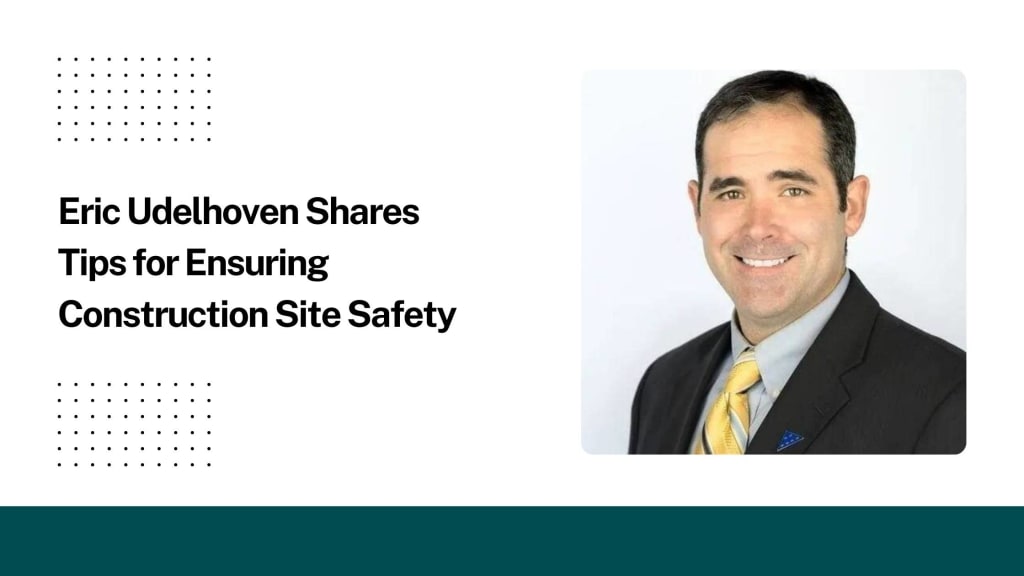
Construction sites are some of the busiest and most dynamic environments, and ensuring safety should always be a top priority. Eric Udelhoven, an experienced construction and real estate professional, shares practical tips to help ensure safety on every construction site. With the right planning, training, and commitment, you can avoid accidents and create a safer working environment for everyone involved.
1. Plan and Organize for Safety Before the Project Starts

Safety begins before construction even begins. A thorough safety plan should be in place that outlines potential risks, the safety measures to be implemented, and emergency procedures. Eric Udelhoven advises discussing the plan with all workers at the start of the project to ensure everyone understands the expectations. This also includes setting up proper communication channels for reporting hazards throughout the project.
2. Provide Proper Training for All Workers

Training is one of the most effective ways to prevent accidents on a construction site. Eric Udelhoven emphasizes that every worker should receive training relevant to their specific tasks. Whether they’re operating machinery or working at heights, workers need to be trained on the safest practices. Regular safety refresher courses should also be conducted to ensure workers remain vigilant about safety protocols.
3. Use Personal Protective Equipment (PPE).

Personal Protective Equipment (PPE) is essential to protect workers from injury. This includes hard hats, gloves, boots, eye protection, hearing protection, and any other gear necessary for the specific tasks being carried out. Eric Udelhoven recommends ensuring that all workers wear the proper PPE at all times, no matter how small the task. This simple step can greatly reduce the risk of injury.
4. Keep the Site Clean and Organized

A cluttered site is a dangerous site. When tools, materials, and equipment are scattered, the risk of tripping or injury increases. Eric Udelhoven advises keeping the work area clean and organized by storing materials properly and designating specific areas for tools and equipment. Regularly cleaning up debris and ensuring walkways are clear of obstacles will help prevent accidents and improve site efficiency.
5. Regularly Inspect Equipment and Machinery

Maintaining equipment in good working order is critical to ensuring safety. Eric Udelhoven highlights the importance of regular inspections of all machinery and tools. Cranes, scaffolding, forklifts, and power tools should be checked for damage, wear, and defects. Any faulty equipment should be repaired or replaced immediately to avoid accidents. Training workers to inspect equipment before use also helps ensure safety.
6. Establish Clear Signage and Safety Warnings

Clear and visible signage is vital to keeping workers aware of potential hazards. Eric Udelhoven recommends using bright, easy-to-read signs to indicate dangerous areas, such as zones with heavy machinery, high-voltage equipment, or exposed edges. These signs should be placed at eye level, and barriers should be put up around areas with elevated risks. This helps prevent accidents by keeping workers informed and cautious.
7. Have Emergency Procedures in Place

Even with the best safety practices, emergencies can still happen. Eric Udelhoven stresses the importance of having a clear and well-communicated emergency plan in place. This plan should include procedures for common emergencies, such as fires, falls, or medical incidents. Regular drills should be conducted to ensure everyone knows their role in case of an emergency. Having quick access to first aid kits and emergency contact information is also essential.
8. Monitor Weather Conditions
Weather can have a significant impact on construction safety. High winds, rain, snow, and extreme temperatures can make construction work hazardous. Eric Udelhoven recommends that project managers keep an eye on weather forecasts and adjust the work schedule accordingly. For example, if a storm is approaching, it may be wise to delay outdoor activities until it’s safe. Workers should also be trained to recognize the signs of heat stress or hypothermia, depending on the season, and provided with breaks to stay hydrated or warm as necessary.
Conclusion
Ensuring safety on a construction site requires careful planning, proper training, and constant vigilance. By following the safety tips outlined by Eric Udelhoven, you can significantly reduce the risk of accidents and create a safer working environment. Remember, safety is everyone’s responsibility, and when workers feel safe and valued, productivity and morale will improve. By prioritizing safety, you’re building a strong foundation for the success of your project and the well-being of your team.
About the Creator
Eric Udelhoven
Eric Udelhoven is a visionary leader who is well-versed in construction management, real estate, and advanced technology. Being the CEO of Triangulum.
Enjoyed the story? Support the Creator.
Subscribe for free to receive all their stories in your feed.
Comments
There are no comments for this story
Be the first to respond and start the conversation.