
Eric Swalwell Allegations Explained: What CNN Reported, What He Denies, and Why the Story Is Reshaping California Politics
What CNN Reported, What He Denies, and Why the Story Is Reshaping California Politics

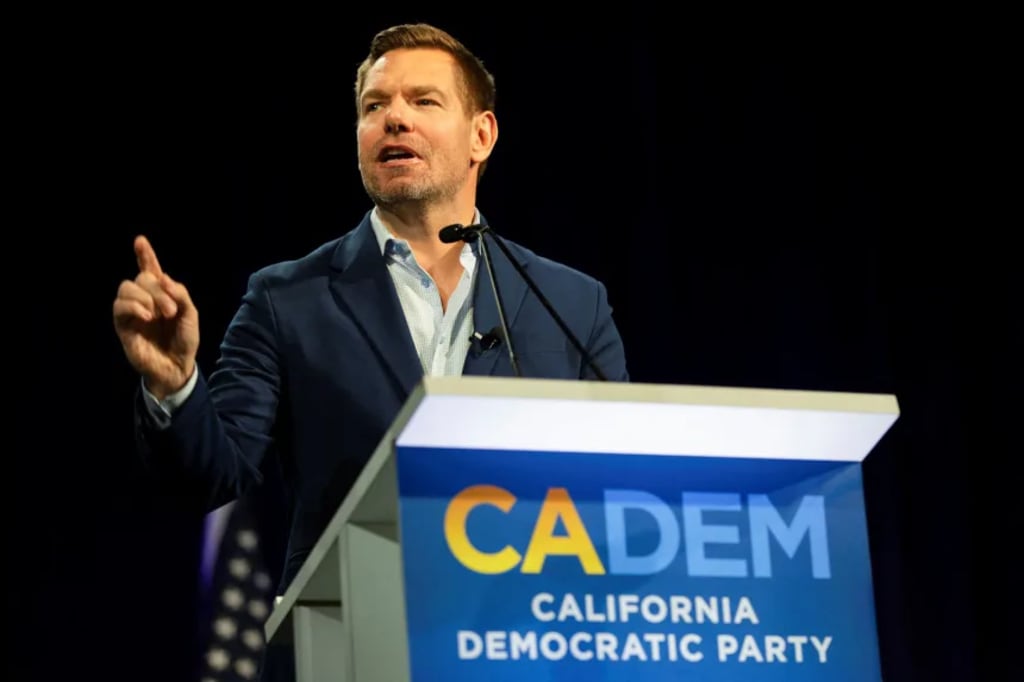
California politics was jolted by a wave of serious allegations against Representative Eric Swalwell, a Democratic congressman and gubernatorial candidate, after CNN published an investigation featuring accounts from four women, including a former staffer who accused him of rape. Swalwell has denied the allegations in the strongest terms, calling them false and politically timed. Reuters and the Associated Press later reported that the fallout was immediate, with prominent allies and labor groups pulling support and urging a full investigation.
The story matters not only because of the gravity of the allegations, but because it lands at a sensitive moment in a high-stakes governor’s race. In politics, timing can transform a report into a turning point. That appears to be happening here. What might once have been seen as a private scandal is now a public test of accountability, power, and trust.
According to the reporting described in the material you shared, the central allegation comes from a former staffer who said Swalwell assaulted her after she was heavily intoxicated. She also alleged an earlier incident from years before, when she said she awoke after a night of drinking with little memory of what had occurred. Three other women also described what CNN characterized as different forms of sexual misconduct, including allegations of unwanted sexual messages and explicit photos. Swalwell, through public statements and legal counsel, denied the accusations and said they were false. Reuters separately reported his denial of the former staffer’s allegation and noted that he pledged to fight the claims.
One reason this story is drawing such intense attention is the pattern the women described. In allegations like these, people often focus on one headline claim and miss the broader context. But repeated accounts can change the public conversation. They can raise questions not just about an isolated incident, but about power, access, and whether a public figure used status to blur professional and personal boundaries. That does not determine guilt, but it does explain why stories like this often grow quickly once multiple voices emerge.
There is also a political reason this story has become so explosive so quickly. Swalwell was not a backbench figure operating outside public attention. He was a nationally known Democratic congressman, a frequent television presence, and a visible candidate in California’s open governor’s race. When serious allegations surface against someone at that level, the impact moves beyond the individual. Party leaders, endorsers, unions, and donors all have to decide whether staying silent looks like caution or complicity. That is why the reaction from Democratic allies mattered almost as much as the initial report.
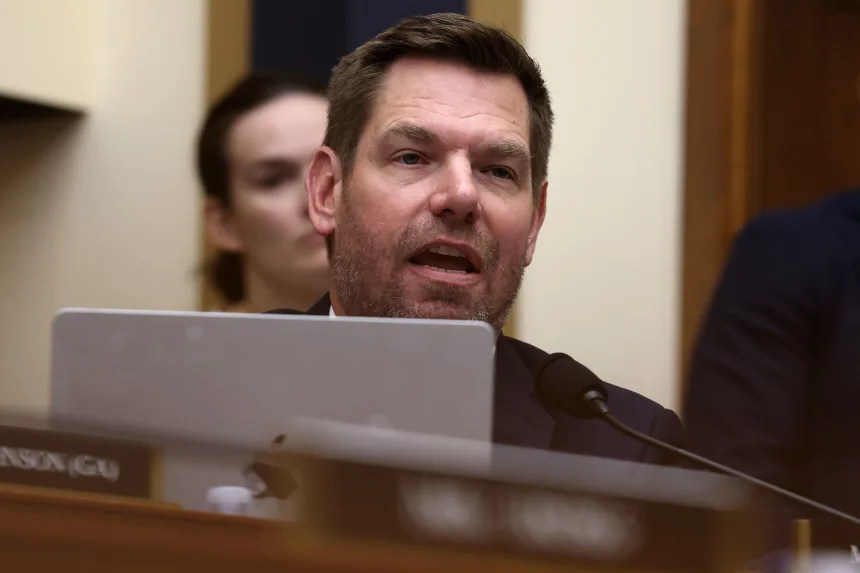
The backlash was swift. Reuters reported that House Democratic Leader Hakeem Jeffries and Senator Adam Schiff urged Swalwell to end his candidacy, while the California Teachers Association suspended its support. The AP likewise reported that Schiff, Pelosi, labor groups, and other Democrats called for an investigation or for Swalwell to step aside. In modern campaigns, that kind of support collapse can do more than damage momentum. It can isolate a candidate before voters even fully process the underlying report.
Why do stories like this have such force? Because they sit at the intersection of personal trauma and public power. When allegations involve a boss, a politician, or someone with influence over careers, the public does not just hear a misconduct claim. It hears a possible abuse-of-power story. That changes the emotional weight. A young staffer, intern, volunteer, or aspiring political worker may feel admiration, dependency, fear, or confusion all at once. That imbalance is one reason misconduct allegations in politics tend to resonate so deeply. They are not only about what happened. They are about who had the power to shape what happened next.
Another reason this story is resonating is the question of silence. Many people who later come forward in public cases describe years of carrying confusion, embarrassment, or fear of retaliation. Whether the allegations are ultimately substantiated in court or not, the public often recognizes that delay does not automatically mean fabrication. In fact, delay is common in cases involving powerful people, especially when the accuser worries about career fallout or public disbelief. That dynamic helps explain why some stories seem to emerge all at once after long periods underground.
Swalwell has responded with unequivocal denials. According to Reuters and AP, he said the allegations are “absolutely false,” said they did not happen, and indicated he would defend himself aggressively. His side has also argued that the timing, just before a major election, is politically significant. That defense will matter to many voters, because in politically charged environments, people often ask whether allegations are being weaponized. But that question usually coexists with another: are powerful people too often insulated until several women speak at once?
That tension is what makes this story bigger than one campaign. It taps into a larger American debate about how institutions should respond when allegations surface against influential men. Should the focus stay on legal proof alone? Should parties act on credibility and pattern before legal proceedings? Should campaigns pause while investigations unfold? These are not simple questions, and they rarely produce clean answers.
What is clear is that the allegations have already changed the race. Even before any legal resolution, the political consequences are real. Endorsements have vanished. Allies have gone quiet or pulled away. Calls for investigation are growing louder. In campaign terms, that can be fatal. In civic terms, it becomes a test of whether public life still has room for due process and accountability at the same time.
The Eric Swalwell allegations story is no longer just about one report. It is now about power, credibility, silence, denial, and the speed at which modern politics can turn. And in moments like this, one truth usually stands above the rest: the campaign may be about votes, but the public conversation becomes about character.
About the Creator
Omasanjuwa Ogharandukun
I'm a passionate writer & blogger crafting inspiring stories from everyday life. Through vivid words and thoughtful insights, I spark conversations and ignite change—one post at a time.
Enjoyed the story? Support the Creator.
Subscribe for free to receive all their stories in your feed.
Comments
There are no comments for this story
Be the first to respond and start the conversation.