
Environmental Impact of Underground Mining and Mitigation Strategies
Ecological Challenges and Sustainable Solutions

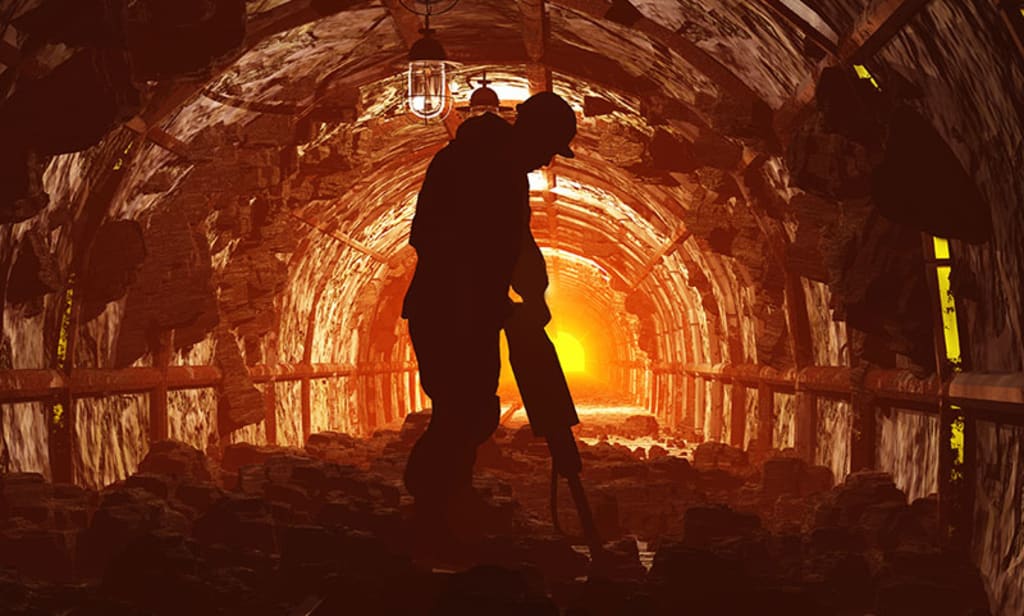
Underground mining plays a critical role in extracting minerals and metals essential for modern industries. However, despite its many economic benefits, it also has significant environmental impacts. The nature of underground mining means that while surface disturbances may be less visible than in open-pit mining, the effects below ground and on the surrounding ecosystems can be profound. This article explores the environmental impact of underground mining and highlights various mitigation strategies that are being implemented to reduce its ecological footprint.
Environmental Impacts of Underground Mining
Land Subsidence
One of the most visible environmental impacts of underground mining is land subsidence. When large amounts of material are removed from underground, the overlying ground can sink or collapse, causing serious damage to structures, roads, and natural landscapes. Subsidence can lead to:
This sinking of land can also create hazards such as open fissures or holes, posing risks to both people and wildlife.
Water Contamination
Water pollution is a major concern in underground mining operations. During the mining process, chemicals such as heavy metals, acids, and other contaminants can leach into groundwater or nearby water bodies. Acid mine drainage (AMD) is a particularly harmful form of water pollution where sulfide minerals, when exposed to air and water, generate sulfuric acid. This acid can dissolve harmful metals such as lead, mercury, and arsenic, leading to:
- Contamination of drinking water sources
- Destruction of aquatic habitats
- Long-term damage to soil and vegetation
Habitat Destruction
While underground mining has a smaller surface footprint than open-pit mining, the construction of access roads, ventilation shafts, and waste disposal sites can still lead to habitat destruction. These developments disrupt local ecosystems and may result in the loss of biodiversity as habitats for flora and fauna are altered or destroyed.
Greenhouse Gas Emissions
Underground mining operations typically rely on heavy machinery powered by fossil fuels, such as diesel-powered loaders and trucks. The burning of these fuels contributes to greenhouse gas emissions, including carbon dioxide (CO2) and methane (CH4). In addition, coal mining, in particular, releases methane, a potent greenhouse gas that contributes significantly to global warming.
Waste Management
Mining generates large amounts of waste material, including tailings and slag, which must be properly managed to prevent environmental contamination. If not adequately contained, these wastes can leach toxic substances into the environment, leading to soil and water pollution.
Mitigation Strategies for Reducing Environmental Impact
While the environmental impacts of underground mining are significant, several mitigation strategies can be implemented to reduce these effects and promote more sustainable mining practices.
Land Rehabilitation and Reclamation
Land rehabilitation involves restoring the landscape after mining activities have ceased. This may include:
- Filling in and stabilizing subsidence areas to prevent further damage
- Planting native vegetation to restore natural ecosystems and promote biodiversity
- Restoring waterways that may have been altered by mining activities
By implementing these practices, mining companies can help repair the environmental damage caused by their operations, improving the land for future use.
Water Management Techniques
Effective water management is crucial in minimizing the impact of underground mining on water resources. Some key strategies include:
- Water recycling: Mining operations can reduce water consumption by recycling water used in processes like ore extraction and cooling.
- Acid mine drainage treatment: Technologies such as passive water treatment systems and wetlands can help neutralize acidic water before it enters local ecosystems.
- Mine dewatering systems: These can be installed to prevent water from flooding underground operations, thus reducing contamination risks.
Use of Cleaner, Renewable Energy Sources
Reducing greenhouse gas emissions from underground mining can be achieved by shifting from traditional diesel-powered machinery to electric or hybrid vehicles. These cleaner alternatives significantly reduce CO2 emissions, and renewable energy sources like solar and wind can be used to power mining equipment and infrastructure. For example, electric underground loaders are gaining popularity, offering a more sustainable solution with lower operational costs and a smaller carbon footprint.
Waste Management and Recycling
Proper waste management is essential for minimizing the environmental impact of underground mining. Mining companies can reduce the risk of water and soil contamination by:
- Constructing proper tailings dams to prevent leaks and spills
- Recycling mining waste: Some waste materials, such as metals in tailings, can be recovered and reused, reducing the amount of waste and the need for new raw materials.
- Implementing safe disposal methods to minimize environmental exposure to toxic substances
Adopting Sustainable Mining Practices
The adoption of sustainable mining practices is key to reducing environmental impact. One such approach is backfilling, where mined-out areas are filled with waste rock or tailings, reducing land subsidence and preventing the creation of large voids. Moreover, reduced-impact mining techniques like block caving can help extract minerals with minimal surface disturbance.
Continuous Monitoring and Environmental Audits
Mining companies should implement environmental monitoring programs to continuously assess the environmental impacts of their operations. Regular environmental audits help identify areas where improvements can be made, ensuring compliance with regulations and reducing long-term environmental damage. Monitoring also provides transparency and accountability, which is increasingly important in an era where investors and consumers demand more environmentally responsible business practices.
Conclusion
The environmental impact of underground mining is significant, but it is possible to mitigate many of these effects through responsible practices and technological innovation. By embracing land reclamation, water management, cleaner energy sources, and sustainable mining techniques, the mining industry can reduce its ecological footprint while still meeting the growing global demand for minerals and metals.
As global awareness of environmental sustainability grows, the mining industry must continue to evolve. This includes adopting best practices for minimizing environmental damage and actively seeking out new technologies and strategies that can reduce the long-term impact of mining operations on the planet. By doing so, underground mining can become a more sustainable and environmentally friendly industry for future generations.
About the Creator
Mining Tenement Australia
Hetherington has been providing industry leading services and expertise in the resources industry within Australia and the Asia-Pacific Region for over 30 years.
Enjoyed the story? Support the Creator.
Subscribe for free to receive all their stories in your feed.
Comments
There are no comments for this story
Be the first to respond and start the conversation.