
Ensuring Safety: Smoke Detectors for the Deaf and Hearing Impaired
Enhance safety with the best smoke alarms for the deaf and hearing impaired. Discover life-saving devices tailored for those with hearing challenges
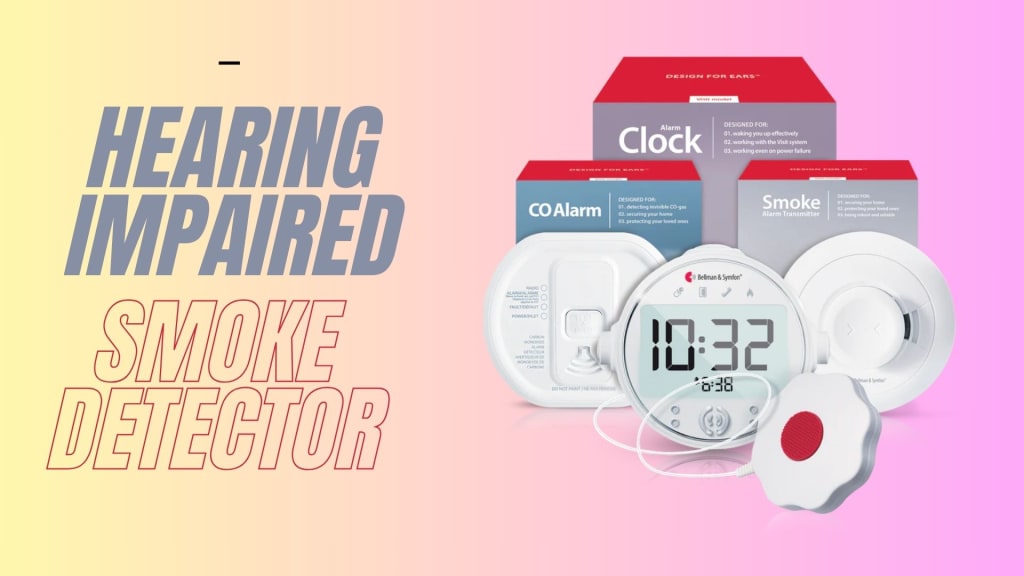
Home safety is a fundamental right, but traditional smoke alarms often fail to meet the needs of individuals who are deaf or hearing impaired.
Fires can escalate in moments, leaving no room for error or delay. Smoke alarms for the deaf and hearing impaired are innovative solutions that close this critical safety gap, ensuring inclusivity and peace of mind for all.
Understanding the Need for Specialized Smoke Detectors
Conventional smoke alarms rely on loud, high-pitched sounds to signal danger. While effective for most, these alarms fall short for individuals with hearing challenges. Without appropriate alerts, the risks increase significantly, especially during nighttime.
Specialized smoke detectors tackle this issue using advanced technology, offering alternatives like strobe lights, vibrations, and smart connectivity. These devices ensure timely alerts for those who rely on non-auditory signals, creating a safer living environment.
Features That Define Smoke Alarms for the Deaf
When choosing a smoke alarm for deaf or hearing-impaired individuals, it’s essential to understand its unique features:
1. Visual Alerts
Equipped with bright, pulsating strobe lights, these alarms ensure visibility in all lighting conditions. Their high-intensity flashes are impossible to ignore, even in larger spaces.
2. Vibrating Pads
Designed for use during sleep, these pads are placed under a pillow or mattress. In an emergency, the device vibrates strongly to wake the user, ensuring immediate action.
3. Smart Notifications
Many alarms now connect to smartphones or other smart devices, offering real-time alerts and remote monitoring. This feature adds convenience and an extra layer of safety.
4. Battery Backup
A reliable smoke alarm must work during power outages. Models with long-lasting battery backups ensure consistent protection, even in the toughest situations.
5. Accessibility Features
Modern alarms come with easy-to-use interfaces and customization options, making them suitable for all users, regardless of their technological proficiency.
How to Choose the Right Smoke Detector for Your Home
Selecting the right smoke detector requires careful consideration of your living environment and personal needs. Here are some tips:
Assess Your Space: Larger homes may require multiple alarms to cover all critical areas effectively.
Consider Nighttime Protection: Vibrating alarms or bed shakers are essential for those who are deep sleepers.
Look for Expandability: Systems that allow additional components, like extra strobe lights, offer more flexibility for future needs.
Prioritize Certification: Ensure the device complies with safety standards like UL certification for optimal performance.
Installing Smoke Detectors for Maximum Coverage
Correct installation is crucial for a smoke alarm to function effectively. Follow these guidelines:
Strategic Placement: Install alarms in bedrooms, hallways, and living areas for comprehensive protection.
Proper Height: Mount strobe-light alarms at eye level to ensure visibility.
Test Regularly: Perform monthly tests to confirm all components, including vibrating pads and lights, are operational.
Integrate with Other Systems: If you have a smart home setup, connect your alarm for centralized control and alerts.
Benefits of Smoke Alarms for the Deaf and Hearing Impaired
These specialized devices go beyond basic functionality, offering features that prioritize inclusivity and ease of use:
Enhanced Safety: Provides timely alerts that don’t rely on sound, reducing risks for hearing-impaired users.
Peace of Mind: Families and caregivers can feel confident knowing everyone is protected.
Adaptability: Customizable settings make these alarms suitable for a range of needs and environments.
Modern Convenience: Integration with smart systems ensures users stay connected and informed at all times.
Cost Considerations and Accessibility
While specialized smoke detectors are an investment, their benefits far outweigh the costs. Prices typically range from $75 to $300, depending on features.
For those concerned about affordability, financial aid programs and non-profits often provide assistance or subsidies for accessible safety devices.
Technology Advancing Home Safety for All
The evolution of smoke alarms highlights how technology is making safety inclusive:
Wireless Integration: Eliminates the need for complex installations, making devices easier to use.
Smart Connectivity: Sync alarms with apps for remote notifications and control, even when away from home.
Custom Alerts: Users can choose their preferred notification methods, such as lights, vibrations, or smartphone alerts.
These innovations demonstrate the power of design in creating products that serve diverse populations.
Conclusion
Investing in a reliable smoke detector for deaf individuals is a critical step toward ensuring safety and inclusivity at home. These devices, equipped with cutting-edge features like strobe lights and vibrating pads, provide comprehensive protection tailored to unique needs.
By understanding the available options and installing them strategically, you can create a safe, worry-free environment for yourself and your loved ones.
FAQs
What makes smoke alarms for the deaf unique?
These alarms use strobe lights, vibrations, and smart notifications to alert users without relying on sound.
Can these alarms connect to my smartphone?
Yes, many models offer app connectivity for real-time alerts and monitoring.
Are smoke detectors for the deaf expensive?
Prices vary but typically range from $75 to $300. Financial aid may be available for eligible users.
How do I test my smoke alarm?
Follow the manufacturer’s instructions for testing, usually involving pressing a button to activate all alert mechanisms.
What is the lifespan of these alarms?
Most alarms last 7-10 years, but regular maintenance and battery replacement ensure optimal performance.
Where should I install a smoke alarm in my home?
Place alarms in bedrooms, hallways, and near kitchens for maximum coverage.
About the Creator
Enjoyed the story? Support the Creator.
Subscribe for free to receive all their stories in your feed.
Comments
There are no comments for this story
Be the first to respond and start the conversation.