
Enhance Sound Clarity with Advanced Hearing Amplifiers
Discover the benefits of hearing amplifiers, hearing aid amplifiers, and hearing amplification devices for improved sound clarity and daily communication.
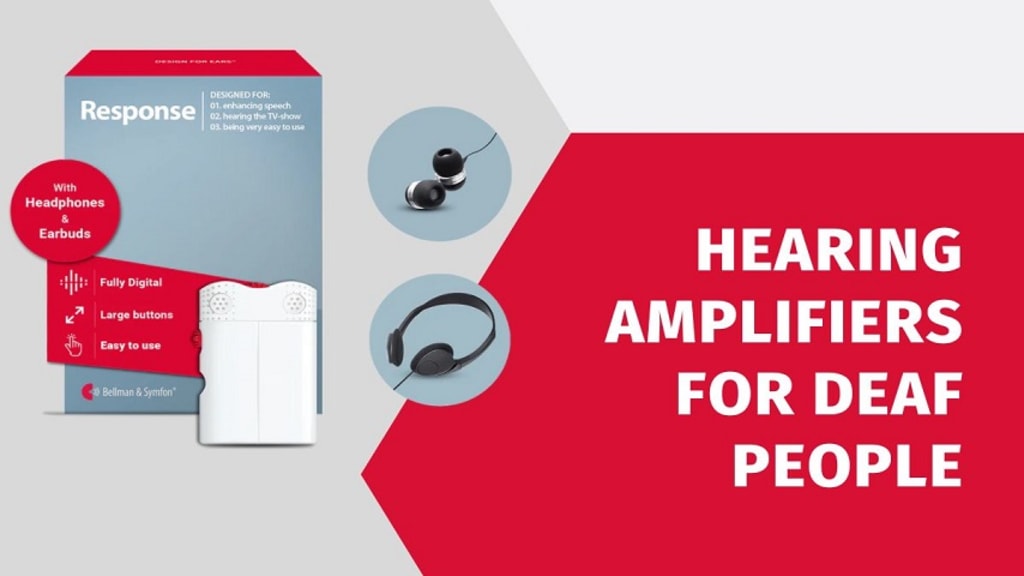
Hearing Amplifiers: The Perfect Solution for Enhanced Listening
Imagine trying to keep up with a conversation in a bustling café, but the sounds blur together, making it hard to follow. If you've experienced this, you're not alone.
Many individuals struggle with mild hearing difficulties that don't require medical-grade hearing aids but still affect their daily lives. Enter hearing amplifiers, the ideal middle ground for more precise and focused hearing.
Whether you call them hearing aid amplifiers or hearing amplification devices, these tools are designed to amplify and clarify the sounds around you. They cater to various needs, from boosting TV dialogue to improving communication in noisy environments. Let's explore their benefits, how they work, and how to choose the right one for your lifestyle.
What Are Hearing Amplifiers?
Hearing amplifiers are compact, user-friendly devices that amplify sound, making it louder and more straightforward. Unlike medical-grade hearing aids, which are tailored for individuals with diagnosed hearing loss, hearing amplifiers are designed for people who:
- Have mild hearing difficulties in specific situations.
- Want an affordable solution for occasional sound enhancement?
- Need extra clarity for activities like watching TV or attending lectures.
These devices are not intended to replace hearing aids but serve as an effective alternative for those not yet ready for a full-fledged hearing solution.
How Do Hearing Amplifiers Work?
At their core, hearing amplifiers function as mini sound boosters. Here's a simple breakdown:
Microphone: Captures surrounding sounds.
Amplifier Circuit: Enhances the captured sounds, making them louder and more distinct.
Speaker: Delivers the amplified sound to your ears.
Modern hearing amplifiers often include features like adjustable volume controls, noise reduction, and directional microphones to improve clarity in different environments.
Hearing Aid Amplifiers vs. Hearing Amplifiers
It's easy to confuse hearing aid amplifiers with hearing amplifiers. While they share similarities, they cater to different needs:
Hearing Amplifiers: These are designed for general sound amplification and are suitable for individuals without diagnosed hearing loss. They are ideal for occasional use in noisy or quiet settings.
Hearing Aid Amplifiers: These highly specialized components, found within hearing aids, are tailored to specific hearing loss patterns. They require a prescription and professional fitting.
Both devices improve sound quality, but hearing amplifiers are more versatile for every day, non-medical situations.
Who Can Benefit from Hearing Amplification Devices?
Hearing amplification devices are versatile and can be beneficial for various groups:
Older Adults: As hearing naturally diminishes with age, these devices offer an easy way to enhance sound without committing to a hearing aid.
Students: Amplifiers can help in lecture halls or during group discussions.
Professionals: Individuals working in noisy environments may find communicating easier using an amplifier.
TV Enthusiasts: Amplifiers can simplify TV audio without cranking up the volume and disturbing others.
Features to Look for in a Hearing Amplifier
When selecting a hearing amplifier, several features can enhance its usability and effectiveness:
Noise Reduction: Reduces background noise, focusing on speech or desired sounds.
Directional Microphones: Adjusts to pick up sounds from specific directions, ideal for conversations.
Volume Control: Customizable volume settings for different environments.
Rechargeable Batteries: Offers convenience and eliminates the need for frequent battery replacements.
Discreet Design: Many modern amplifiers are sleek and designed to be nearly invisible when worn.
Types of Hearing Amplifiers
Hearing amplifiers come in various styles to suit different preferences and lifestyles:
Behind-the-Ear (BTE): These amplifiers sit comfortably behind the ear, with a small tube directing sound into the ear canal.
In-the-Ear (ITE): Smaller and more discreet, these devices fit snugly inside the ear.
Personal Sound Amplification Products (PSAPs): Wearable devices that amplify environmental sounds. PSAPs are particularly popular due to their affordability and versatility.
Advantages of Hearing Amplification Devices
The growing popularity of amplified hearing devices can be attributed to their many benefits:
Affordability: Cost-effective compared to prescription hearing aids.
Ease of Use: Simple to operate, making them accessible for all age groups.
Improved Communication: Amplifies voices and reduces background noise, making conversations smoother.
Portability: Compact and lightweight, ideal for travel or on-the-go use.
No Prescription Needed: Available over the counter, eliminating the need for professional consultations.
Limitations of Hearing Amplifiers
While hearing amplifiers are incredibly helpful, they do have some limitations:
Not Suitable for Severe Hearing Loss: These devices are not substitutes for medical-grade hearing aids.
Lack of Customization: Amplifiers don't offer the tailored adjustments that hearing aids provide.
Potential for Feedback: High-volume settings may cause sound distortion or feedback in some models.
Understanding these limitations and choosing the correct device for your specific needs is essential.
How to Use a Hearing Amplifier Effectively
Using a hearing amplifier is simple, but maximizing its benefits requires attention to detail:
Position It Correctly: Ensure the device fits comfortably and securely in or around your ear.
Adjust the Volume: Start with a low volume and gradually increase it to a comfortable level.
Experiment with Settings: If the amplifier has noise reduction or directional settings, test them in different environments.
Maintain the Device: Clean it regularly to prevent dirt or wax buildup.
Proper use enhances the device's performance and ensures a positive experience.
Visit shop.bellman.com for more hearing amplifiers for the hearing impaired or deaf people.
Maintaining Your Hearing Amplifier
To ensure longevity and optimal performance, it's essential to care for your hearing amplifier:
Clean Regularly: Remove earwax or debris from the microphone and speaker.
Store Properly: Keep the device in a protective case when not used.
Replace Batteries: Monitor battery levels and replace or recharge them as needed.
Check for Wear: Inspect for signs of damage or wear and replace parts if necessary.
Proper maintenance extends the life of the device and ensures consistent sound quality.
Hearing Amplifiers vs. Hearing Aids: Which One Do You Need?
Deciding between a hearing amplifier and a hearing aid depends on your level of hearing difficulty:
- A hearing amplifier is likely sufficient if you have mild, occasional trouble hearing.
- For diagnosed hearing loss requiring customized solutions, a hearing aid is necessary.
- Consulting an audiologist can help you make an informed choice.
Final Thoughts on Hearing Amplifiers
Hearing amplifiers are invaluable for anyone seeking enhanced sound clarity without the commitment of medical-grade hearing aids. Whether you need extra help in noisy environments or want to hear TV dialogue more clearly, these devices offer an affordable and effective solution.
As technology advances, hearing amplifiers become increasingly sophisticated, blending convenience, portability, and functionality. By understanding your needs and exploring the options, you can find the perfect device to enrich your listening experience and improve your daily interactions.
About the Creator
Enjoyed the story? Support the Creator.
Subscribe for free to receive all their stories in your feed.
Comments
There are no comments for this story
Be the first to respond and start the conversation.