
End of "Transitory": BOJ Signals Steady Rate Hikes as Supply Shocks Become Structural
Bank of Japan Executive Director Koji Nakamura has warned that frequent supply shocks can no longer be dismissed as temporary, signaling a decisive shift in the central bank’s monetary policy framework toward sustained interest rate hikes to combat persistent inflation risks.

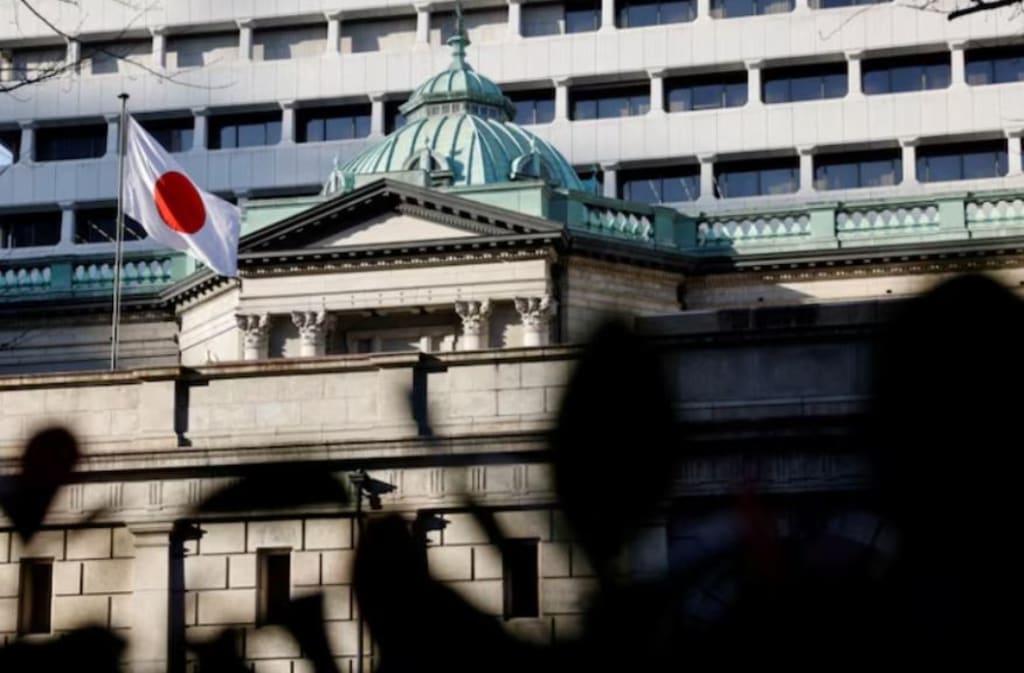
In remarks released from a May conference hosted by the Bank of Japan (BOJ), Executive Director Koji Nakamura outlined a growing alarm within the institution regarding the nature of modern inflation. Traditionally, central banks have been advised to "look through" supply-side shocks such as spikes in energy or import costs, assuming they are transient and will not affect long-term inflation expectations. However, Nakamura argued that this conventional wisdom is no longer applicable in an era defined by geopolitical instability, climate change, and demographic shifts.
"Frequent shocks should not be treated as transitory because they can lift underlying inflation and inflation expectations," Nakamura stated. His comments highlight a critical realization: when supply disruptions become the norm rather than the exception, they cease to be mere noise and begin to reshape the structural baseline of price levels.
Non-Linear Price Reactions
A key concern for the BOJ is the observation of "non-linear reactions" in domestic prices. Unlike previous periods where import cost increases were absorbed by corporate margins or passed on gradually, recent data show Japanese consumer prices rising sharply and disproportionately in response to both import price hikes and exchange rate fluctuations. This sensitivity suggests that the pass-through mechanism from costs to consumer prices has become more efficient and aggressive, likely due to changed corporate behavior and heightened inflation expectations among households.
Nakamura emphasized that these non-linearities must be explicitly factored into monetary policy decisions. Ignoring them risks allowing inflation to become entrenched above the BOJ’s 2% target, necessitating a more proactive tightening stance.
The Demographic Shock
Compounding the external supply pressures is what Nakamura termed a "slow-moving demographic shock." Japan’s shrinking labor pool is creating a structural tightness in the job market, leading to sustained wage growth. Unlike cyclical wage increases driven by temporary labor shortages, this trend is rooted in fundamental demographic realities that cannot be reversed by monetary policy. As wages rise to attract scarce workers, businesses are compelled to raise prices to maintain margins, creating a potential wage-price spiral that is structural rather than cyclical.
This demographic reality aligns with the BOJ’s broader assessment that the conditions supporting ultra-loose monetary policy have fundamentally changed. The exit from negative interest rates in 2024 was just the beginning; the current environment demands a steady normalization of policy to prevent overheating.
A Global Shift Toward Tightening
The BOJ’s stance mirrors a broader global trend. Central banks worldwide are grappling with supply-side inflation driven by a confluence of factors: the aftermath of the pandemic, the war in Ukraine, higher U.S. tariffs, and the ongoing conflict in the Middle East. These events have shifted the focus from demand-driven inflation, which can be cooled by raising rates, to supply-driven inflation, which is harder to manage without damaging economic growth.
Despite these challenges, the BOJ appears committed to its tightening path. Sources indicate that the central bank is poised to raise interest rates again this week, following its June hike to a 31-year high of 1%. This move would align Japan with other major central banks, including the Federal Reserve and the European Central Bank, which are also maintaining or increasing rates to anchor inflation expectations.
Policy Implications
Nakamura’s remarks suggest that the BOJ will adopt a more data-dependent but also more vigilant approach. He called for combining traditional macroeconomic data with "anecdotal analysis" to better capture the changing behaviors of households and firms. This qualitative insight is crucial for understanding how inflation expectations are forming in real-time, allowing the central bank to react before those expectations become self-fulfilling.
For markets, the message is clear: the era of ultra-low rates in Japan is over. The BOJ is no longer waiting for perfect clarity on whether inflation is transitory; it is acting on the premise that it is not. With structural wage pressures and persistent supply shocks, the path forward involves steady, measured rate hikes designed to keep inflation anchored at 2% without derailing the fragile economic recovery. As Governor Kazuo Ueda navigates this new landscape, the BOJ’s credibility will depend on its ability to balance these competing forces while maintaining its independence amidst global volatility.
About the Creator
Mark Lim
Hi I am mark an automotive student and a car, tech and food enthusiast ! Im gonna try and post daily & hope you enjoy what I write and do share my page with people you know. I would gladly appreciate it! Cheers
Enjoyed the story? Support the Creator.
Subscribe for free to receive all their stories in your feed.
Comments
There are no comments for this story
Be the first to respond and start the conversation.