
Electrical Certification Checklist: What Inspectors Look For
EICR
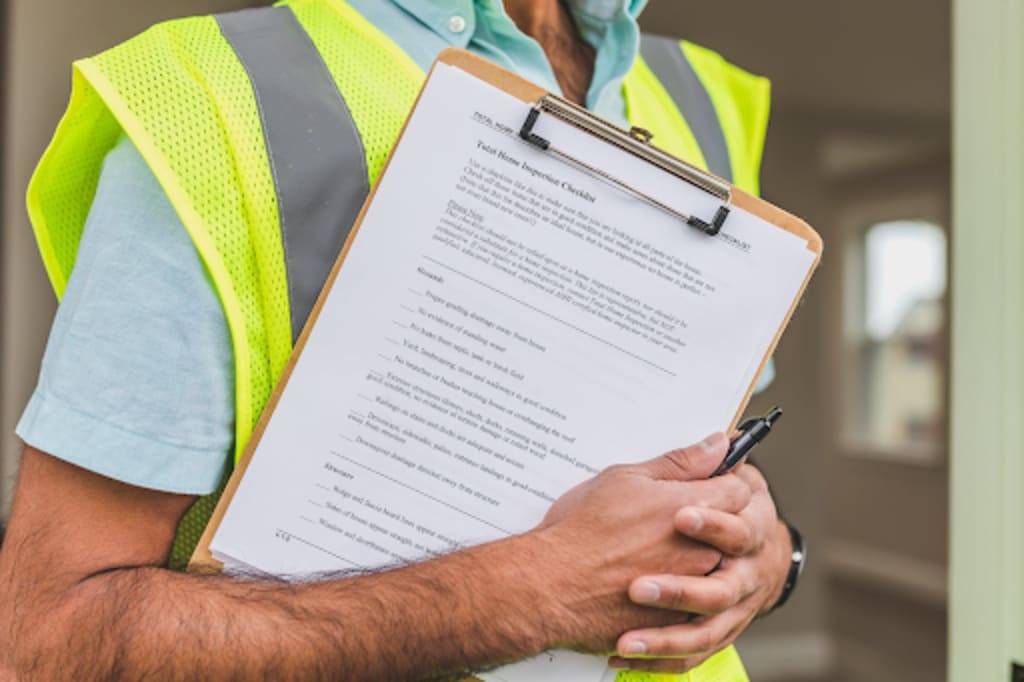
Electrical safety is crucial in any building, whether it’s a home, office, or industrial facility. To ensure that electrical systems are operating safely and in compliance with local regulations, an electrical inspection is necessary. This process is carried out by qualified electrical inspectors who evaluate the installation, wiring, and overall safety of the electrical system, obtaining an EICR Certificate London is essential for demonstrating that the property meets the required safety standards. For building owners and contractors, understanding what inspectors look for during an electrical inspection is essential. This knowledge helps in preparing the building to meet the required standards and ensures that the property remains safe for its occupants. In this blog, we will explore the key elements that an inspector evaluates when conducting an electrical certification, highlighting what needs to be in place for a successful inspection.
What is an Electrical Certification?
An electrical certification is an official document provided by a licensed inspector or electrician after evaluating an electrical system. The certification confirms that the electrical system complies with all relevant safety regulations and standards. In many cases, this certificate is required when selling a property, applying for insurance, or ensuring that the building is safe for occupancy.
The goal of electrical certification is to ensure that all electrical installations are safe, functional, and energy-efficient. The inspector will evaluate several components of the electrical system to confirm its compliance with established safety codes and regulations. These inspections can vary based on the type of building and the country’s specific electrical codes.
Wiring Installation and Condition
One of the primary aspects of an electrical inspection is the evaluation of the wiring system. Proper wiring installation is essential for safe and efficient electrical operation. Inspectors carefully assess whether the wiring complies with local codes and whether it is in good condition.
Wires should be properly sized for the amount of current they will carry, and the materials used should be suitable for the environment. For example, in areas prone to moisture, such as kitchens or bathrooms, specific types of wires and cables are required to prevent shorts or fires. The inspector will also look for any exposed wiring or damaged insulation that could pose a hazard.
Additionally, the installation of wiring should be organized and secure, with no loose or improperly connected wires. The inspector checks that all wires are routed appropriately, away from areas where they may be damaged or create a fire risk. It is also important that wires are not overcrowded in conduits, as this can lead to overheating.
Circuit Breakers and Distribution Panels
Circuit breakers and distribution panels are essential safety components of any electrical system. They help protect the wiring and electrical appliances from overloads and short circuits by interrupting the electrical flow when there is a fault. Inspectors will closely evaluate the electrical panel to ensure that it is properly installed and functioning.
One of the key things inspectors look for is whether the circuit breakers are correctly rated for the electrical load of each circuit. They will also check that the panel is easily accessible and that there is adequate clearance around the panel for safety. An inspector will ensure that the circuit breakers are labeled clearly to indicate which areas of the building they control.
Inspectors also look for signs of wear or damage to the circuit breakers and the panel. Rust, loose connections, or burn marks are red flags that the system may not be functioning as intended. A proper inspection will also verify that all breakers are operational and that there are no missing breakers or mismatched components in the panel.
Grounding and Bonding
Proper grounding and bonding are fundamental for electrical safety. Grounding involves connecting electrical systems to the earth to prevent electrical shock, while bonding ensures that different electrical components are interconnected to maintain a uniform electrical potential.
During an inspection, the inspector will check that the grounding system is installed correctly, with a reliable connection to earth. They will also verify that the grounding conductors are free from corrosion and damage. Bonding is equally important, as it prevents dangerous differences in voltage between various metal parts of the electrical system. Any exposed metal components in the system should be bonded properly to avoid electric shock hazards.
The inspector will also assess whether the grounding system is large enough for the building’s electrical load. A properly grounded system helps prevent dangerous electrical shocks and minimizes the risk of fires caused by electrical faults.
Lighting and Power Outlets
Inspectors will check that all lighting and power outlets are correctly installed, grounded, and wired according to code. In particular, the placement of outlets is important for safety. Outlets should be installed at the correct height and distance from water sources, such as sinks and bathtubs, to reduce the risk of electrical shock.
Inspectors also ensure that all outlets are properly wired and that there are no signs of overheating or damage. This includes ensuring that outlets are fitted with correct cover plates and that no exposed wiring is present. Additionally, they will look for proper grounding of outlets, as improperly grounded outlets can pose a significant safety risk.
The inspector will also check whether GFCI (Ground Fault Circuit Interrupter) outlets are installed in areas with high moisture levels, such as bathrooms and kitchens. These outlets help prevent electrical shock by quickly shutting off the power if a fault is detected.
Compliance with Electrical Codes and Standards
Each region or country has its own set of electrical codes and regulations, such as the National Electrical Code (NEC) in the United States or the IET Wiring Regulations in the UK. These codes are designed to ensure that electrical systems are safe, energy-efficient, and installed correctly.
During the inspection, the electrical system must meet the minimum requirements set out by these codes. Inspectors are familiar with the specific regulations in their area and will assess the installation based on those standards. This includes verifying that the correct materials are used, the installation methods are compliant, and that the system is safe for everyday use.
In some cases, inspectors will also check for energy efficiency measures, such as proper insulation around wiring and the use of energy-efficient lighting. Ensuring that the electrical system meets the latest standards for energy efficiency can also help reduce utility costs in the long run.
Conclusion
An electrical certification is an essential step in ensuring the safety and functionality of an electrical system. Inspectors play a vital role in identifying potential hazards, ensuring that installations are up to code, and helping to prevent accidents and fires. The electrical certification checklist covers various components, including wiring, circuit breakers, grounding, outlets, and compliance with local codes.
For building owners and contractors, understanding what inspectors look for during an electrical inspection can help ensure that the system meets all necessary requirements. By focusing on safe installations, correct materials, and proper maintenance, property owners can pass their electrical inspections with ease. This not only ensures the safety of the building’s occupants but also provides peace of mind knowing that the electrical system is functioning as it should, If you want to stay updated with posts like this, please follow us on Vocal.
About the Creator
Enjoyed the story? Support the Creator.
Subscribe for free to receive all their stories in your feed.
Comments
There are no comments for this story
Be the first to respond and start the conversation.