
Electric Wheelchair Market: Powering Independent Mobility
How smart mobility solutions are transforming accessibility and everyday freedom
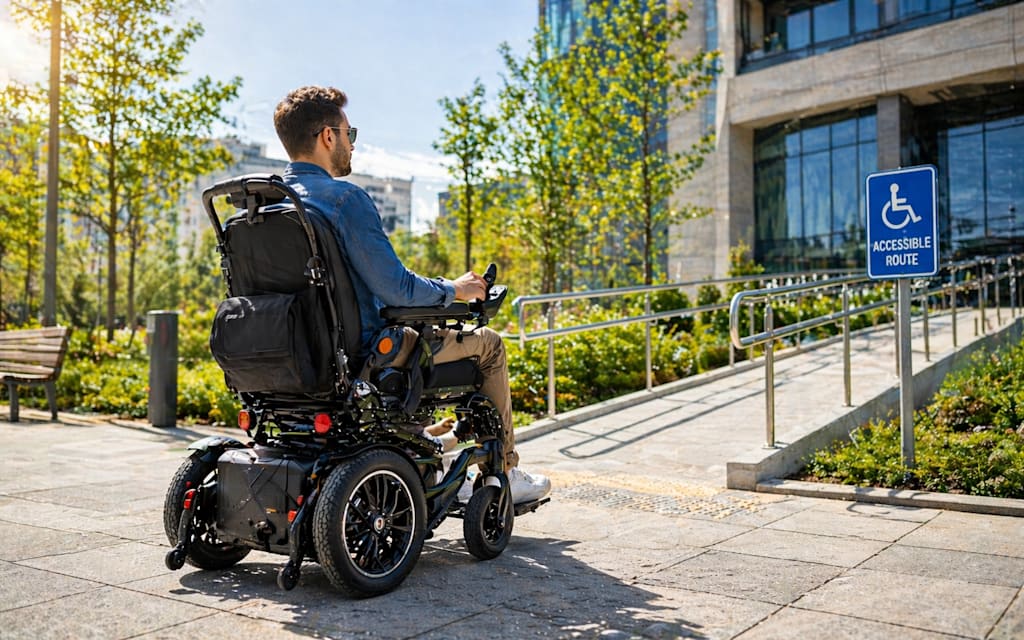
A quiet hum replaces the strain of movement. With a simple joystick motion, direction changes instantly. Independence is no longer limited by physical constraints. For millions of people, mobility is no longer a challenge but a possibility.
Electric wheelchairs are redefining how individuals experience freedom, accessibility, and daily life. What was once a basic assistive device has evolved into a smart mobility solution powered by advanced batteries, sensors, and ergonomic design. At the center of this transformation is the Electric Wheelchair Market, where healthcare meets technology to improve quality of life.
Why Electric Wheelchairs Matter Today
Electric wheelchairs play a vital role in enabling mobility for individuals with limited physical strength or disabilities. They are widely used across hospitals, rehabilitation centers, and increasingly in personal homecare settings.
According to Mordor Intelligence, the Electric Wheelchair Market size is estimated at USD 4.28 billion in 2026 and is projected to reach USD 6.74 billion by 2031, growing at a compound annual growth rate of 9.50% during the forecast period.
This growth is driven by aging populations, rising disability prevalence, and continuous technological innovation in battery systems and smart mobility features.
Inside the Electric Wheelchair Market
The Electric Wheelchair industry is structured across multiple segments including drive type, end users, and battery technologies.
Rear wheel drive models dominated with 47.02% of the Electric Wheelchair Market share in 2025, offering stability and strong outdoor performance.
Hospitals accounted for 60.85% of the market size, showing the continued importance of institutional demand, while personal use is expanding rapidly as individuals seek independent mobility solutions.
Lithium ion batteries held 55.10% of the Electric Wheelchair Market share, becoming the preferred choice due to lightweight design, longer life cycles, and better energy efficiency.
Offline dealer networks still dominate distribution with 65.55% share, but online channels are growing quickly as digital healthcare adoption increases.
Trends Driving Market Growth
Several Electric Wheelchair Market trends are shaping the future of mobility solutions.
• Growing adoption of lithium ion batteries improves efficiency and reduces weight
• Smart features such as sensors and automation enhance user safety and control
• Foldable and travel friendly wheelchairs are gaining popularity among active users
• Expansion of e commerce channels improves accessibility and product reach
Technological innovation is making electric wheelchairs more adaptable, user friendly, and suitable for both indoor and outdoor environments.
Challenges in Adoption
Despite strong growth, the Electric Wheelchair Market analysis highlights certain challenges. High purchase costs and maintenance expenses can limit accessibility, especially in developing regions. Limited insurance coverage and infrastructure gaps also affect adoption rates.
Advanced models can cost significantly more due to integrated electronics and customization features. Additionally, access to maintenance services remains a concern in remote areas.
Manufacturers are addressing these issues by developing cost effective models, expanding distribution networks, and improving after sales service support.
Regional Insights and Growth Patterns
North America leads the market with 38.55% share in 2025, supported by strong healthcare infrastructure and reimbursement systems.
Asia Pacific is the fastest growing region with a projected 11.62% CAGR, driven by aging populations, rising incomes, and improving healthcare accessibility.
These regional trends highlight the global expansion of mobility solutions beyond traditional markets.
The Future of the Electric Wheelchair Market
The Electric Wheelchair Market forecast indicates continued growth as technology and healthcare converge. Future developments will focus on smart navigation, lightweight materials, and enhanced battery performance.
Integration with IoT systems, AI based controls, and customizable designs will further improve user experience. Electric wheelchairs will continue evolving from medical devices into lifestyle enablers.
Ultimately, mobility is not just about movement. It is about independence, dignity, and access to opportunities.
About the Creator
Enjoyed the story? Support the Creator.
Subscribe for free to receive all their stories in your feed.
Comments
There are no comments for this story
Be the first to respond and start the conversation.