
Eco-Friendly Packaging Trends Reshaping the Soap Industry in 2026
Eco-Friendly Packaging Trends

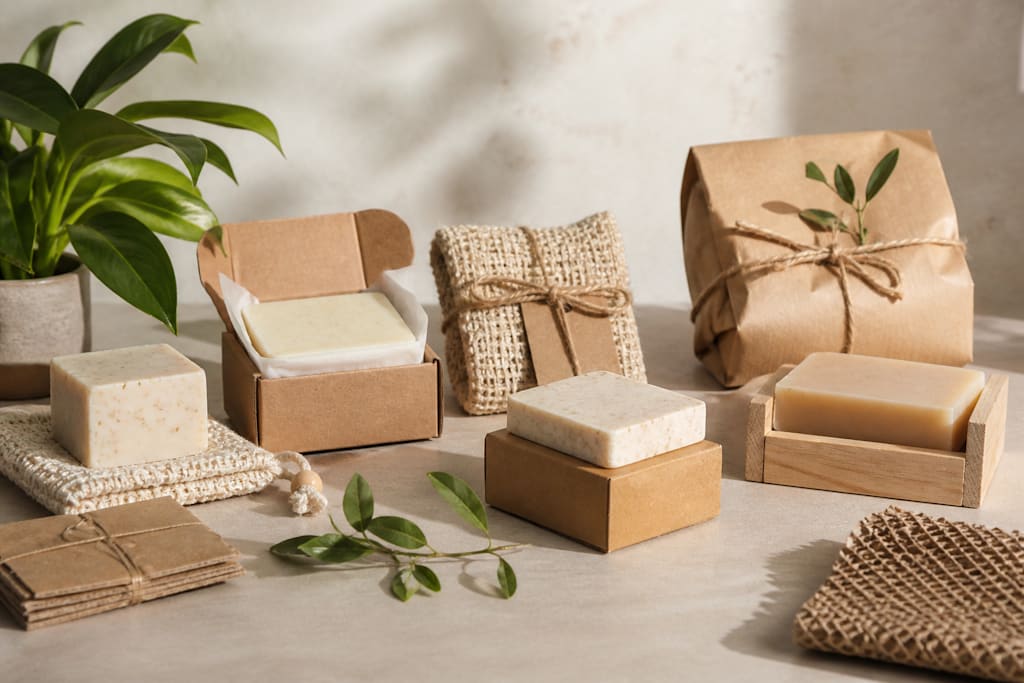
The soap industry is going green — and packaging is leading the way. Here's what every soap brand, small business owner, and conscious consumer needs to know about sustainable packaging in 2026.
The Green Revolution Has Arrived at Your Soap Shelf
Walk into any artisan market or scroll through an organic skincare brand's Instagram today, and you'll notice something striking — the packaging tells the story before the soap ever touches your skin. In 2026, eco-friendly packaging is no longer a niche preference or a marketing gimmick. It has become a defining factor in how modern consumers choose personal care products.
According to recent consumer research, over 60% of skincare buyers now consider sustainable packaging a purchasing factor. That number is only growing. For soap brands — whether handmade, artisanal, or commercially produced — the message is clear: how you wrap your product matters as much as what's inside it.
And at the center of this shift? The rise of thoughtfully designed, printed soap boxes that are both visually striking and planet-friendly.
Why Sustainable Soap Packaging Is No Longer Optional
The personal care industry has long been one of the biggest contributors to single-use plastic waste. Plastic wraps, synthetic films, and non-recyclable coatings have dominated store shelves for decades. But 2026 marks a turning point.
Consumer awareness around plastic pollution, climate change, and carbon footprints has reached a critical mass. Buyers are actively researching brands before purchasing. They read ingredient labels, look up sourcing practices, and — increasingly — judge packaging choices.
For soap brands, this creates both a challenge and a massive opportunity. Brands that invest in sustainable, eco-friendly soap packaging not only reduce their environmental impact but also build stronger customer loyalty, command higher price points, and generate more organic social media content through shareable unboxing experiences.
The eco-packaging trend is not just ethical — it's excellent business strategy.
Top Eco-Friendly Packaging Trends Dominating 2026
1. Kraft Paper and Recycled Cardboard — The Timeless Foundation
Kraft paper remains the gold standard of sustainable soap packaging. Its warm, natural brown tone communicates authenticity and environmental responsibility at a glance. Recycled kraft paper is biodegradable, FSC-certified options are widely available, and it pairs beautifully with botanical illustrations, minimalist typography, and hand-stamped logos.
Custom printed soap packaging boxes made from recycled cardboard are now available with premium finishes — matte lamination, embossed logos, and soy-based ink printing — giving brands the look of luxury without the environmental cost. For small soap businesses and large manufacturers alike, kraft and recycled cardboard remain the most accessible entry point into sustainable packaging.
2. Compostable and Plant-Based Films
One of the most exciting packaging innovations of 2026 is the mainstream adoption of compostable, plant-based films. Made from materials like cornstarch, cellulose, or sugarcane, these transparent wraps offer the clean, boutique-ready shine of traditional plastic — but break down naturally within months.
For soap brands that want to show off the swirls, colors, and botanicals of their bars, compostable cellophane is a game-changer. It lets the product speak for itself while supporting a zero-waste message. When paired with a small recycled paper belly band carrying the brand logo and scent name, the result is packaging that is minimal, photogenic, and fully sustainable.
3. Seed Paper Packaging — Packaging That Grows
Nothing communicates environmental commitment quite like packaging you can plant. Seed paper belly bands and wraps — made from biodegradable paper embedded with wildflower or herb seeds — have become one of the most talked-about trends in sustainable soap packaging.
After unwrapping the soap, customers plant the paper in soil and watch it bloom. This ingenious concept turns what would otherwise be waste into a living experience. It deepens the emotional connection between brand and buyer and creates a memorable story customers love to share. For eco-conscious soap brands targeting green-minded consumers, seed paper packaging is a powerful differentiator in a crowded market.
4. Minimalist Design with Maximum Impact
In 2026, less is more. The minimalist packaging movement — clean lines, soft colors, simple fonts, and generous white space — continues to dominate soap branding. This design philosophy works hand-in-hand with sustainability because minimal design often means fewer inks, less coating, and reduced material use.
Modern printed soap packaging boxes with minimalist aesthetics perform exceptionally well both on retail shelves and in e-commerce photography. A cleanly designed kraft box with a single-color logo and ingredient list can look more premium than a box covered in competing graphics. For soap brands trying to communicate natural, organic, or handcrafted values, minimalism is the visual language of trust.
5. Soy-Based and Water-Based Inks
Sustainable packaging is not just about the material — it's also about how that material is printed. Traditional petroleum-based inks contain harmful VOCs (volatile organic compounds). In 2026, leading soap packaging manufacturers are shifting to soy-based and water-based inks that are non-toxic, produce vibrant colors, and are significantly more eco-friendly.
These inks allow brands to maintain high-quality, full-color printing on their boxes without compromising their environmental commitments. From rich botanical greens to warm terracotta tones, modern eco-friendly printing techniques can achieve any aesthetic — and the printed result is just as sharp and durable as conventional methods.
6. Reusable and Multi-Purpose Packaging
Another trend gaining serious momentum is packaging designed to be kept, not discarded. Reusable fabric pouches made from cotton, jute, or burlap serve double duty — protecting the soap during purchase and continuing to serve the customer as a cosmetics pouch, travel bag, or storage container long after the soap is gone.
Similarly, rigid boxes with magnetic closures are being designed as keepsakes — perfect for gift sets and luxury soap lines. This shift toward multi-purpose packaging reduces waste, increases perceived product value, and keeps your brand visible in the customer's daily life.
What This Means for Soap Brands in 2026
The eco-packaging movement in the soap industry is accelerating, not slowing down. Consumer expectations are rising, retail buyers increasingly favor brands with credible sustainability stories, and social media continues to reward beautiful, shareable packaging.
Whether you're a handmade soap artisan selling at farmers markets or a growing brand with retail distribution, the packaging trends of 2026 offer something important: the chance to align what you believe with what your customers see.
Switching to recycled kraft boxes, compostable wraps, or seed paper bands is not just an environmental decision. It's a brand decision. It's a marketing decision. And in today's marketplace, it's increasingly a business survival decision.
The soap industry is being reshaped — bar by bar, box by box. The brands that understand packaging as a storytelling medium, a sustainability statement, and a customer experience tool will be the ones that stand out on shelves and in inboxes for years to come.
About the Creator
Enjoyed the story? Support the Creator.
Subscribe for free to receive all their stories in your feed.
Comments
There are no comments for this story
Be the first to respond and start the conversation.