
Dry Mouth: Symptoms, Causes, and Solutions
Unlocking Dry Mouth Mysteries: Symptoms Revealed, Causes Explored, and Clever Fixes Unveiled
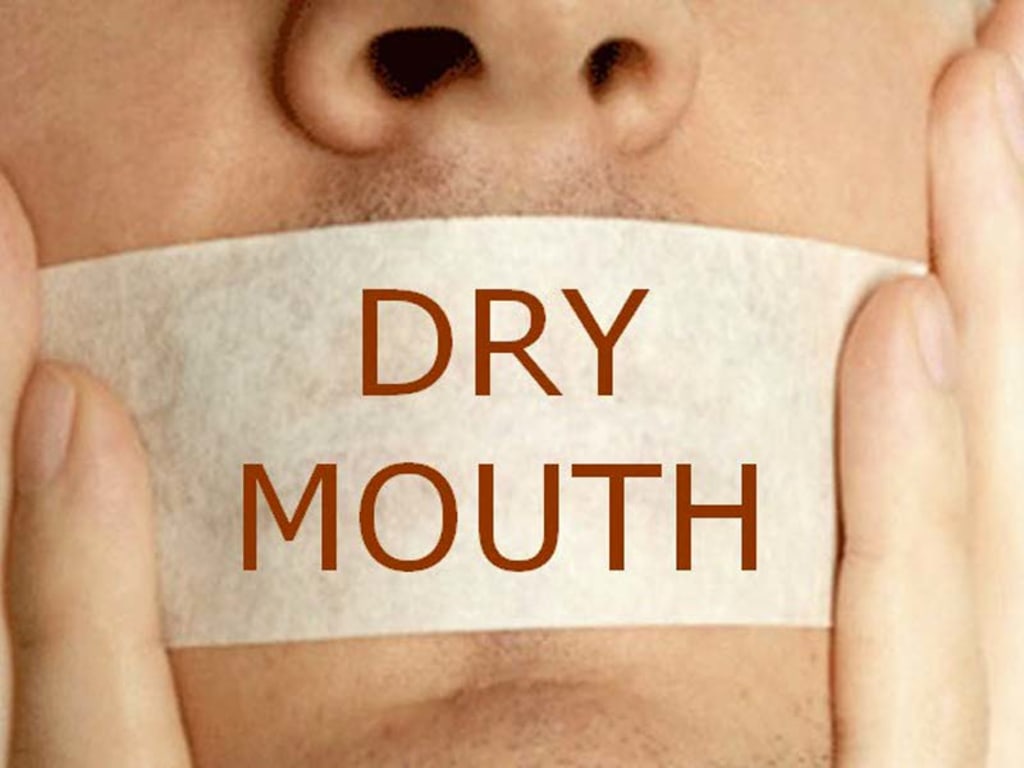
Hey there! Have you ever woken up feeling like your mouth is as dry as the Sahara Desert? Or maybe you’ve noticed that swallowing feels like a chore lately? If so, you’re not alone. Dry mouth—medically known as xerostomia—is something tons of folks deal with, and it’s more than just an annoyance. It can mess with your day-to-day life and even your oral health. Let’s dive into what dry mouth feels like, why it happens, and—most importantly—how to fix it. Trust me, by the end of this, you’ll have a solid game plan to tackle that parched feeling.
What Does Dry Mouth Feel Like?
So, how do you know if you’ve got dry mouth? It’s not just about feeling thirsty. The symptoms can sneak up on you and range from mildly irritating to downright uncomfortable. You might notice your mouth feels sticky or tacky, like there’s not enough saliva to keep things moving. Speaking or swallowing can get tricky, and some people even say their throat feels hoarse or scratchy.
Other telltale signs include cracked lips, a dry tongue that looks rough or red, and even bad breath that just won’t quit. Oh, and if you’re someone who loves a good snack, you might find dry foods like crackers impossible to eat without chugging water. For some, it can lead to a burning sensation or trouble tasting food properly. Basically, it’s your mouth’s way of waving a red flag that something’s off.
Why Is My Mouth So Dry? The Causes
Alright, let’s get to the “why” behind dry mouth. There’s no one-size-fits-all answer here—it’s more like a puzzle with a bunch of possible pieces. One of the biggest culprits? Medications. Tons of common drugs, like antihistamines, antidepressants, and blood pressure meds, list dry mouth as a side effect. If you’ve started a new prescription and noticed your mouth drying up, that could be the link.
Then there’s dehydration. It sounds obvious, but not drinking enough water—or losing too much from sweating, vomiting, or diarrhea—can zap your saliva production. Lifestyle factors play a role too. Smoking, chewing tobacco, or even breathing through your mouth (hello, chronic snorers!) can dry things out fast.
Medical conditions are another piece of the puzzle. Diabetes, Sjögren’s syndrome, and autoimmune diseases can mess with your salivary glands. Radiation therapy for cancer, especially around the head or neck, can damage those glands too. And let’s not forget stress or anxiety—yep, your nerves can literally dry you out. Aging also factors in; as we get older, saliva production can naturally slow down.
Why Should You Care About Dry Mouth?
You might be thinking, “Okay, so my mouth’s dry—big deal.” But here’s the thing: saliva isn’t just there to keep your mouth wet. It’s like your body’s built-in superhero for oral health. It washes away food bits, neutralizes acids, and fights off bacteria. Without enough of it, you’re at higher risk for cavities, gum disease, and even infections like thrush. Plus, it can make eating less enjoyable and talking harder—two things no one wants to deal with long-term.
That’s why figuring this out matters. Whether you’re in Long Beach chatting with a Dentist Long Beach or just doing some research at home, understanding the stakes can push you to take action sooner rather than later.
Solutions to Kick Dry Mouth to the Curb
Good news: you don’t have to live with a desert mouth forever! There are plenty of ways to get that moisture back. Let’s break it down into some practical, do-it-now fixes and longer-term strategies.
Quick Fixes:
- Hydrate, hydrate, hydrate. Aim for at least eight glasses of water a day. Carry a water bottle and sip regularly—it’s a game-changer.
- Chew sugar-free gum or suck on sugar-free candies. This tricks your salivary glands into kicking into gear. Look for ones with xylitol—it’s a bonus for your teeth.
- Ditch the drying culprits. Cut back on caffeine, alcohol, and tobacco. They’re like kryptonite for saliva.
- Use a humidifier. Pop one in your bedroom at night to keep the air moist, especially if you’re a mouth-breather.
Over-the-Counter Helpers:
- Mouthwashes and sprays. Look for products labeled for dry mouth—they’re designed to mimic saliva and keep things comfy.
- Saliva substitutes. These gels or sprays can coat your mouth and give you relief when your glands are slacking.
When to See a Pro:
If the DIY stuff isn’t cutting it, it might be time to talk to someone who knows their stuff—like a Dentist Long Beach if you’re in the area. They can check for underlying issues, like gland problems or medication side effects, and might suggest prescription options. There are meds like pilocarpine or cevimeline that can boost saliva production if your doctor thinks they’re a fit. Plus, they’ll make sure your teeth and gums aren’t taking a hit from the dryness.
Lifestyle Tweaks:
- Eat smart. Go for hydrating foods like cucumbers, watermelon, or celery. Avoid super salty or spicy stuff that can make things worse.
- Brush up on oral hygiene. Use a fluoride toothpaste and floss daily—dry mouth ups your cavity risk, so don’t skip this.
- Breathe through your nose. If allergies or a stuffy nose are forcing mouth-breathing, tackle those too.
A Little Prevention Goes a Long Way
Want to keep dry mouth from coming back? Stay ahead of it. Keep up with your water intake, watch what you eat, and check in with your doctor or dentist if you’re on meds that might be drying you out. Regular dental visits can catch problems early, and a quick chat about your symptoms might uncover a fix you hadn’t thought of.
Wrapping It Up: You’ve Got This!
Dry mouth might feel like a small thing, but it can throw a wrench in your daily routine if you let it fester. The good news? With a little know-how and some simple tweaks, you can get back to feeling like yourself—minus the sandpaper tongue. Whether it’s sipping more water, popping some gum, or getting expert advice, there’s a solution out there for you. So, next time your mouth feels like it’s staging a drought, you’ll know exactly what to do. Here’s to happier, healthier days ahead!
About the Creator
Enjoyed the story? Support the Creator.
Subscribe for free to receive all their stories in your feed.
Comments
There are no comments for this story
Be the first to respond and start the conversation.