
Dropshipping for Beginners: Start Your Online Business Today
Start your online business today with our beginner’s guide to dropshipping—no inventory, just profits!

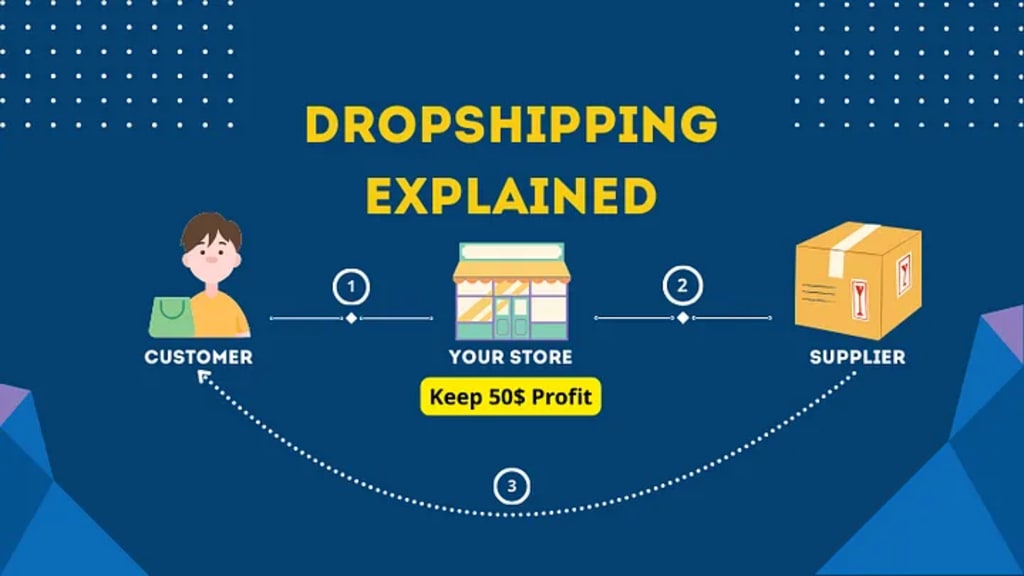
In recent years, dropshipping has emerged as a popular way for entrepreneurs to start their own online businesses with minimal upfront investment. By eliminating the need to stock inventory or handle shipping, dropshipping allows you to focus on marketing and sales. If you’re considering diving into this business model, this guide will walk you through the essential steps to get started.
How to Start Dropshipping: A Step-by-Step Guide
Dropshipping is a retail fulfillment method where a store doesn’t keep the products it sells in stock. Instead, when a store sells a product, it purchases the item from a third party and has it shipped directly to the customer. This means you never have to handle the product, allowing you to focus on growing your business.
Why Choose Dropshipping?📦
- Low Startup Costs: You don’t need to invest heavily in inventory or storage.
- Flexibility: You can run your business from anywhere with an internet connection.
- Wide Product Selection: Access to a vast array of products without the need for upfront purchases.
- Scalability: Easily scale your business without the constraints of physical inventory.
Step 1: Choose a Niche 🎯
Identifying a niche is crucial for your dropshipping success. Consider the following when choosing your niche:
1. Identify Your Interests and Passions
Start by listing your interests and hobbies. Building a business around something you are passionate about will keep you motivated and engaged.
2. Research Market Trends
Use tools like Google Trends, social media, and e-commerce platforms (like Amazon or eBay) to identify what products are gaining popularity. This will help you find a niche that has demand.
3. Analyze Your Competition
Once you have a few niches in mind, research your competition. Use tools like SEMrush or Ahrefs to analyze competitors’ websites, product offerings, and marketing strategies. Look for gaps in the market where you can differentiate yourself.
4. Test Your Ideas
Before fully committing to a niche, test your ideas with a small audience. Use social media ads or create a landing page to gauge interest in your selected products.
Choosing the right niche is a foundational step in building a successful dropshipping business. By aligning your interests with market trends, analyzing competition, evaluating profit margins, and testing your ideas, you can identify a niche that not only excites you but also has the potential for profitability.
Step 2: Research Suppliers 🤝
Finding reliable suppliers is a critical step in the dropshipping process. Your choice of suppliers can directly affect the quality of your products, shipping times, and customer satisfaction. Here are some key options to consider when researching suppliers:
1. AliExpress
One of the largest online marketplaces, AliExpress connects buyers with manufacturers and suppliers primarily in China. It’s popular among dropshippers for its vast selection of products and ease of use.
- Shipping locations: AliExpress suppliers ship to 220 countries, including the US. Packages sent with standard shipping can take between 15 and 45 business days to arrive. Premium shipping options have an estimated delivery time of seven to 15 business days.
- Product Selection: There are more than 100 million products on AliExpress, in categories such as fashion, toys, consumer electronics, skin care, jewelry, furniture, and automotive parts.
- Recommended for: Beginners and veteran ecommerce entrepreneurs who dropship with AliExpress. Use the platform for market research and to build relationships with suppliers.
2. DSers
DSers is an official AliExpress dropshipping partner that allows users to manage their orders more efficiently. It offers a streamlined process for placing bulk orders and managing multiple suppliers.
- Shipping locations: Shipping locations and delivery times are consistent with those offered by AliExpress. This includes delivery to hundreds of countries with varying shipping durations.
- Product Selection: Through DSers, users can access AliExpress’s extensive product catalog with enhanced supplier information.
- Recommended for: DSers is recommended for ecommerce store owners who want an enhanced way to compare AliExpress dropshipping suppliers and efficiently process orders.
3. Alibaba
Alibaba is a leading global wholesale marketplace that connects suppliers, primarily manufacturers, with businesses. It’s ideal for those looking to purchase products in bulk and establish long-term supplier relationships.
- Shipping locations: Alibaba dropshipping can take time, depending on where you live. You can expect to wait as much as six weeks for deliveries. To cut costs, you can choose to ship by freight or air. However, you should do your research and plan accordingly.
- Product Selection: Alibaba has more than 2.8 million suppliers and over 5,900 product categories.
- Recommended for: Alibaba is for retailers who use dropshipping alongside other product sourcing methods such as private label manufacturing.
4. Zendrop
Zendrop is a dropshipping platform that focuses on providing fast shipping and high-quality products. It connects retailers with suppliers primarily based in the U.S. and offers a more curated selection of items.
- Shipping locations: Zendrop stores products in the US and China, with global shipping.
- Product Selection: Zendrop offers automotive, baby products, clothing, electronics, beauty items, home goods, garden essentials, pet products, and more popular categories.
- Recommended for: The supplier is for Shopify users aiming to dropship branded or customized products quickly from the US.
5. SaleHoo
SaleHoo is a wholesale directory that provides access to verified suppliers. It’s a good option for finding reliable suppliers without the risk of scams.
- Shipping locations: SaleHoo serves the US, UK, Australian, and New Zealand markets.
- Product Selection: Like DSers, SaleHoo’s inventory source is AliExpress. Find vetted dropshipping suppliers in a variety of niches, then import products directly into your Shopify store.
- Recommended for: SaleHoo is for anyone who needs a directory and research tool for AliExpress that integrates seamlessly with Shopify (and is comfortable paying an annual membership).
Tips for Choosing Suppliers
- Research Reviews: Look for reviews or testimonials from other dropshippers to gauge supplier reliability.
- Order Samples: Consider ordering samples to assess product quality before committing to a supplier.
- Communicate: Reach out to suppliers with questions to test their responsiveness and customer service.
- Check Shipping Times: Understand shipping times and policies to set realistic expectations for your customers.
By thoroughly researching and selecting the right suppliers for your dropshipping business, you can enhance your product offerings, improve customer satisfaction, and set the foundation for a successful e-commerce venture.
Step 3: Set Up Your Online Store 🛒
Choosing the right e-commerce platform is crucial to your dropshipping success. Here’s a detailed look at some of the most popular platforms.
1. Shopify
Shopify is one of the leading e-commerce platforms designed for businesses of all sizes. It’s particularly popular among dropshippers due to its user-friendly interface and extensive app ecosystem.
Key Features:
- Ease of Use: User-friendly drag-and-drop interface with no coding required.
- Scalability: Designed to grow with your business, whether you’re just starting or running a large enterprise.
- Store Management: Inventory management, order processing, and customer support tools.
- Themes: Hundreds of free and premium themes designed specifically for e-commerce.
- Payment Options: Shopify Payments (integrated payment gateway), plus third-party gateways.
- SEO Tools: Built-in SEO features to help your store rank on search engines.
- Mobile App: Manage your store on the go with the mobile app.
- App Store: Access to thousands of apps to extend functionality (e.g., marketing, accounting, shipping).
2. Hostinger
Hostinger is primarily known for its web hosting services but also offers e-commerce hosting plans that can be paired with platforms like WooCommerce.
Key Features:
- Affordable Pricing: Known for its competitive pricing, particularly on hosting plans.
- Hosting Options: Offers shared, VPS, and cloud hosting options, allowing for customization.
- Ease of Use: A user-friendly control panel (hPanel) and one-click installers for CMS like WordPress and WooCommerce.
- E-Commerce Tools: Full support for WooCommerce and other open-source e-commerce tools.
- Free SSL & Security: Secure your website with SSL certificates, free on most plans.
- Performance: Fast loading times, optimized for e-commerce performance with solid uptime.
3. WooCommerce
WooCommerce is a free WordPress plugin that turns a standard website into a fully functional e-commerce store. It offers extensive customization and flexibility.
Key Features:
- Full Customization: Since it’s open-source, you can modify the code to meet your exact needs.
- Flexibility: Wide range of themes and plugins to extend functionality.
- Integrations: Works with thousands of WordPress plugins for marketing, SEO, accounting, etc.
- Payment Gateways: Supports PayPal, Stripe, and other major payment methods.
- Community: Strong community with plenty of tutorials and support forums.
4. BigCommerce
BigCommerce is a robust e-commerce platform designed for businesses looking to grow quickly. It offers a range of built-in features and tools.
Key Features:
- Multi-Channel Selling: Easily sell on platforms like Amazon, eBay, and social media (Facebook, Instagram).
- Built-in Features: Includes advanced SEO tools, multi-currency support, and built-in payment integrations.
- Scalability: Good for businesses with a large inventory and complex sales requirements.
- B2B Capabilities: Supports B2B and wholesale selling.
- Mobile Responsive: Built-in mobile optimization for storefronts.
5. Wix
Wix is a website builder that also provides e-commerce capabilities. It’s known for its drag-and-drop interface.
Key Features:
- Drag-and-Drop Builder: Extremely user-friendly with a variety of templates.
- Built-in E-Commerce Tools: Manage products, payments, orders, and customer interactions all from the dashboard.
- Design Flexibility: Hundreds of design templates and a high degree of customization.
- App Market: Add extra functionality with Wix’s extensive app marketplace.
- SEO Tools: Wix offers built-in SEO features to help your store rank.
6. Squarespace
Squarespace is known for its stunning design templates and is a great option for creative businesses looking for aesthetic appeal.
Key Features:
- Design-First: Beautiful, responsive templates that cater to high-design websites.
- E-Commerce Management: Supports inventory management, order processing, and product variations.
- Integrated Tools: Offers tools for marketing, SEO, and analytics.
- Mobile Optimization: Templates are designed to be mobile-responsive by default.
Each of these platforms has its own set of strengths and weaknesses, so the right choice depends on your specific business needs.
Shopify and BigCommerce are best for growing businesses that need advanced features and scalability.
Step 5: Market Your Store 📣
Effective marketing is essential for attracting customers to your dropshipping store. Here are some proven strategies along with examples for each:
1. Social Media Marketing
Utilize social media platforms to showcase your products, engage with your audience, and build brand awareness.
- Instagram: Create an Instagram page showcasing product photos and lifestyle images. Use engaging captions and hashtags like #dropshipping or #onlineshop to reach a broader audience. Collaborate with influencers to promote your products through sponsored posts or giveaways.
- Facebook Ads: Set up targeted ads on Facebook to reach specific demographics. For example, if you’re selling eco-friendly products, you can target audiences interested in sustainability.
- TikTok: Leverage trending challenges or create short videos demonstrating your products in action. For instance, if you sell kitchen gadgets, post quick recipe videos using your products.
2. Email Marketing
Build an email list to communicate directly with your customers and send them updates, promotions, and valuable content.
- Newsletter: Create a monthly newsletter sharing product launches, exclusive discounts, and industry news. For instance, if you launch a new product line, announce it to your subscribers first to encourage early sales.
- Abandoned Cart Emails: Set up automated emails to remind customers of items left in their carts. For example, if a customer adds a backpack to their cart but doesn’t purchase, send an email with a discount code to incentivize the sale.
- Welcome Series: Develop a welcome email series for new subscribers that introduces your brand, shares bestsellers, and offers a discount on their first purchase.
3. Content Marketing
Create valuable content that attracts and engages your target audience while subtly promoting your products.
- Blog Posts: Write blog articles relevant to your niche. For instance, if you sell fitness equipment, create posts about workout tips, home gym setups, or nutrition advice. This positions your store as a go-to resource for fitness enthusiasts.
- How-To Guides: Develop comprehensive guides that incorporate your products. For example, if you sell skincare products, create a guide on building a skincare routine and include links to your products.
- Videos: Produce video content demonstrating your products. For example, if you sell kitchen appliances, create video tutorials showing how to use each product effectively.
4. Paid Advertising
Invest in paid ads to increase visibility and drive traffic to your store.
- Google Ads: Set up targeted Google Ads for specific keywords related to your products. If you sell pet supplies, target keywords like “best dog toys” or “cat scratching posts” to attract customers searching for those items.
- Retargeting Ads: Use retargeting ads on platforms like Facebook to reach customers who have visited your site but didn’t purchase. For instance, if a customer views a product but leaves the site, show them ads featuring that product to remind them to come back.
- Pinterest Ads: Create visually appealing pins for your products and promote them through Pinterest Ads. For example, if you sell home decor, showcase styled rooms featuring your products to inspire potential buyers.
5. Influencer Marketing
Collaborate with influencers who can promote your products to their followers.
- Product Reviews: Send free products to influencers in your niche in exchange for a review. For instance, if you sell fashion accessories, partner with fashion bloggers to showcase your products in their outfits.
- Giveaways: Organize giveaways with influencers to generate buzz. For example, collaborate with a beauty influencer to give away a set of your skincare products to their audience, encouraging participation and follows.
- Affiliate Programs: Set up an affiliate program where influencers earn a commission for every sale made through their unique referral link. For example, fitness influencers can promote your workout gear and earn a percentage for every purchase made through their links.
As orders come in, focus on customer service and fulfillment. Ensure that:
- Customer Support: Offer timely support via email or chat to address customer inquiries.
- Order Tracking: Provide customers with tracking information for their orders.
- Analytics: Use tools like Google Analytics to track performance and optimize your marketing efforts.
Conclusion🚀
Starting a dropshipping business can be a rewarding venture if approached with the right knowledge and strategy. By following these steps and leveraging the right tools, you can build a successful online store that not only generates income but also allows you to achieve your entrepreneurial dreams.
About the Creator
Nicholas Connor
A passionate investor and finance enthusiast dedicated to exploring the intricacies of the financial world. My mission is to help you become better with your money.
Enjoyed the story? Support the Creator.
Subscribe for free to receive all their stories in your feed.
Comments
There are no comments for this story
Be the first to respond and start the conversation.