
Double Navel Piercing vs. Single: Which One Is Right for You?
Choosing between a single and a double navel piercing involves more than a visual preference.

Choosing between a single and a double navel piercing involves more than a visual preference. Anatomy eligibility, healing demand, lifestyle impact, and total cost all shape a decision that commits your body for the better part of a year. This guide compares both options directly across every factor that matters, so the right call is clear before you walk into the studio.
A single navel piercing places one curved barbell at the upper belly button rim and heals in six to nine months. A double navel piercing adds a second placement, most commonly at the lower rim, extends the healing commitment to six to twelve months per site, and requires more qualifying anatomy. Both use 14G implant-grade titanium as starter jewelry.
The Core Difference Between a Single and Double Navel Piercing
A single navel piercing and a double are not the same procedure applied twice. The second placement changes anatomy requirements, extends the healing timeline, increases aftercare effort, and roughly doubles the cost. Understanding the structural gap between the two is the only solid foundation for this decision.
A standard single piercing passes through the upper rim of the belly button, the most anatomically accessible site and the one that works across the widest range of navel shapes. A double navel piercing most commonly adds a placement at the lower rim, though double upper and stacked vertical configurations also exist depending on available tissue. Each placement is fully independent, with its own entry and exit points, its own jewelry, and its own healing channel from day one.
The healed visual outcome differs significantly between the two. A healed single creates a clean, minimal focal point at the midriff. A double frames the belly button with jewelry above and below, producing a layered, intentional look that reads as a deliberate style choice rather than a subtle accent. Reviewing healed examples of both configurations before booking is a practical and worthwhile step in the research process.
Side-by-Side Comparison
The table below compares both options across the eight criteria most likely to influence the decision. Each factor is addressed in detail in the sections that follow.
Factor
Single Navel
Double Navel
Placements
1
2
Healing time
6-9 months
6-12 months per site
Pain level
Moderate
Moderate, applied twice
Anatomy required
Defined upper rim
Defined upper and lower rim
Aftercare effort
Low
Medium to high
Rejection risk
Low to medium
Medium
Best suited for
First-timers
Experienced navel piercers
The double navel piercing is not dramatically more painful than a single, but every other dimension widens the gap considerably. Healing is longer, aftercare more demanding, anatomy requirements stricter, and cost roughly double. For most first-timers, the single is the more manageable and forgiving starting point.
Anatomy Check: Can Your Navel Support Both?
Of all the factors separating a single from a double navel piercing, anatomy is the only one entirely outside your control. Aesthetic intent and preparation cannot change what a piercer can safely work with, and an honest anatomy assessment should happen before any other part of the decision is finalized.
What Qualifies for a Single
A single navel piercing requires a defined upper rim with enough tissue depth for a curved barbell to rest securely without sitting close to the surface. The rim needs a clear pinch point the piercer can clamp and needle through cleanly. This applies to a broad range of navel shapes, which is why single piercings are accessible across a wide variety of clients.
Additional Requirements for a Double
A double adds a second anatomy check at the lower rim. That tissue needs the same definition and depth as the upper, and many navels that qualify for a single do not carry that structure below. Flat lower rims, shallow tissue, or surface changes from weight fluctuation, pregnancy, or prior abdominal surgery can rule out the lower placement entirely while a single remains viable.
If the lower rim does not qualify, alternatives include a double upper configuration, a stacked vertical arrangement, or a well-chosen single fitted with statement jewelry. A correctly placed single on suitable anatomy will consistently outperform a double navel piercing forced onto tissue that cannot support it.
Pain, Healing, and Lifestyle: The Real Commitment Gap
The practical difference between the two options shows up most clearly not during the appointment but in the months that follow. The healing window is where the gap opens widest, and where most people underestimate what a double actually demands.
Pain Level Compared
Navel piercings sit in the moderate range on most pain scales, and the second placement in a double navel piercing does not change that rating. It is the same sensation applied at a second site within the same session. First-timers should account for the cumulative effect of leaving with two fresh placements simultaneously, but the individual experience at each site does not intensify because of the other.
Healing and Lifestyle Factors
A single navel piercing heals in six to nine months with consistent aftercare. A double runs six to twelve months per site with both channels healing at the same time, and one will often progress faster than the other. The exterior closes before the internal tissue is complete at both locations, and neither placement should be considered healed without direct confirmation from a piercer.
Lifestyle creates an additional filter. High-waisted clothing, contact sports, swimming, and jobs requiring sustained bending or heavy lifting all generate friction at the navel site. Managing one healing placement under those conditions is workable. Managing two simultaneously with the same pressures increases the risk of irritation, migration, and delayed healing at both sites. If regular mechanical pressure at the midsection is a given in your daily routine, a single is the more realistic path to a clean outcome.
Who Should Start with a Single and Who Is Ready for a Double
The decision becomes straightforward when anatomy, lifestyle, experience, and budget are assessed together rather than each factor in isolation.
Start with a Single If...
A single is the right starting point for anyone getting their first navel piercing, regardless of long-term intentions toward a double. It gives the body an opportunity to demonstrate how it responds to navel tissue healing before the commitment doubles. It also suits clients whose upper rim is confirmed but lower rim is uncertain, those with active physical routines that will stress the healing window, and anyone prioritizing quality materials over splitting the budget across two simultaneous placements.
Go for a Double If...
A double navel piercing suits clients who have already healed a single successfully and had both placement sites confirmed by a piercer during a dedicated consultation. Experience with the aftercare routine carries real value: clients who have completed one successful navel healing bring fewer of the habits that derail a second site. A clear aesthetic goal and realistic expectations for the full healing window complete the profile.
Jewelry and Aftercare: Where the Two Options Diverge
The aftercare protocol for a double navel piercing mirrors a single exactly, applied to both placements at the same frequency. What changes is the margin for error, the daily discipline required to maintain two simultaneous healing channels, and the weight that studio equipment quality carries when two placements open in the same session.
Starter Jewelry Rules
Both configurations start with identical specifications: a 14G curved barbell in implant-grade titanium (ASTM F136) or solid 14k gold at 7/16 inch to allow for initial swelling. Dangle jewelry, rings, and plated metals are inappropriate at either placement during healing, and this applies without exception to both a single and a double navel piercing.
The Compounded Aftercare Reality
Managing a double in practice means two sites cleaned twice daily, two pieces of jewelry to protect from snagging, and two contact points with clothing to account for every time you get dressed. The protocol is identical at each site but the compounded daily effort is one of the most common reasons clients find a double more demanding than anticipated.
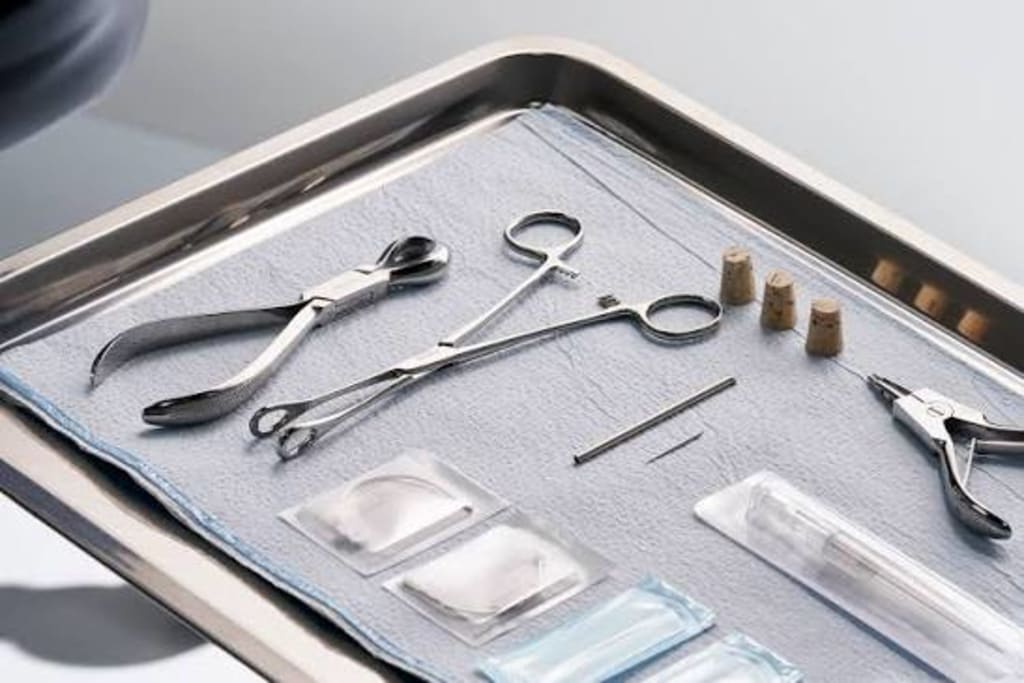
The quality of the studio's instruments matters more when two channels open simultaneously. Suppliers like Obsidian Needle, which provides hollow needles, clamps, and piercing supplies to professional piercers and studios at the wholesale level, equip practitioners with clinical-grade tools for both placements in a double session. The foundation those instruments create on day one shapes the healing trajectory at both sites across the months that follow, and for a double navel piercing where two channels open together, that starting quality carries more weight than it does in a single.
The right choice between a single and a double navel piercing becomes clear when anatomy, lifestyle, experience, and budget are assessed honestly together. A single placed well on qualified anatomy will always outperform a double applied to conditions that cannot support it. Book a consultation with a licensed piercer, get a frank anatomy read, and let the findings drive the final decision.
About the Creator
Enjoyed the story? Support the Creator.
Subscribe for free to receive all their stories in your feed.
Comments
There are no comments for this story
Be the first to respond and start the conversation.