
Donald Trump Threatens to Revoke Harvard University's Tax-Exempt Status: Here's What It Means
Trump sparks fresh debate by accusing Harvard of promoting anti-American views, intensifying concerns over political interference in the education system.
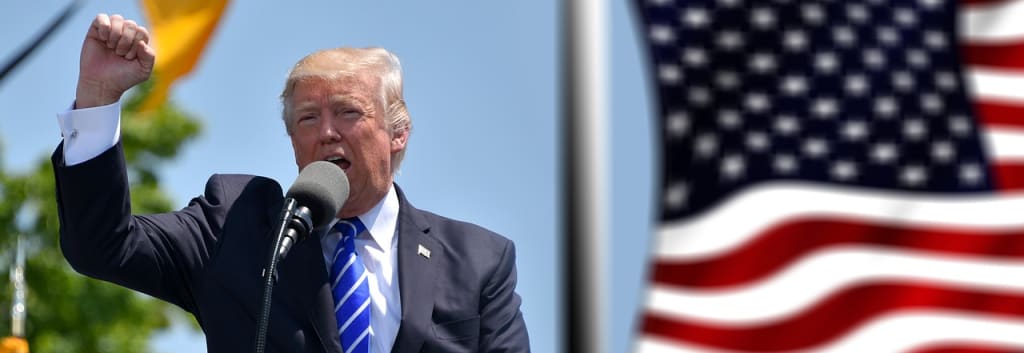
Donald Trump Says His Administration Will Revoke Harvard’s Tax-Exempt Status—Here's Why Former U.S. President Donald Trump has stirred controversy once again, this time by announcing plans to revoke Harvard University’s tax-exempt status if he returns to the White House. During a recent campaign speech, Trump accused the Ivy League institution of promoting "anti-American" ideologies and said, “We are going to be taking away Harvard’s tax-exempt status.” The bold statement has sparked a national debate on academic freedom, political influence in education, and the role of universities in shaping societal values. In this article, we’ll explore the background of Trump's comment, the potential implications of revoking Harvard’s tax-exempt status, and what it could mean for other educational institutions in the United States. Why Trump Is Targeting Harvard Donald Trump has long criticized elite academic institutions, often accusing them of left-wing bias. According to Trump, Harvard and similar universities are becoming breeding grounds for radical ideas that are "tearing America apart." The former president claims that many top universities, including Harvard, receive billions of dollars in federal funding and tax breaks, yet fail to promote values aligned with traditional American principles. “We’re not going to continue to subsidize institutions that hate our country,” Trump said during his address. What Is Tax-Exempt Status? In the U.S., educational institutions like Harvard are classified as nonprofit organizations, allowing them to be exempt from federal income taxes under Section 501(c)(3) of the Internal Revenue Code. This status enables universities to receive donations, grants, and endowments tax-free, as long as they adhere to certain conditions—primarily remaining non-political and operating for educational purposes. Revoking this status would mean that Harvard could face millions in tax liabilities annually. It would also discourage donors who currently receive tax deductions for their contributions. Is It Possible to Remove Tax-Exempt Status? While a president cannot unilaterally revoke a university’s tax-exempt status, the Internal Revenue Service (IRS) can do so if an institution violates the rules set under the tax code. However, Congress or the Department of Education could potentially influence policy or initiate investigations. Trump has proposed that if elected again in 2024, his administration will use all available legal tools to scrutinize universities like Harvard for “anti-American” behavior or political indoctrination. Critics argue that such actions would be politically motivated and could set a dangerous precedent for academic censorship. Potential Impact on Higher Education If Harvard’s tax-exempt status were to be removed, it could lead to a ripple effect across the higher education sector. Other elite universities might also come under scrutiny, especially those perceived to lean left politically. This move could also discourage academic institutions from engaging in controversial research or public discourse for fear of political retaliation. On the other hand, supporters of Trump’s proposal believe it would restore balance in educational institutions and stop taxpayer money from funding what they see as biased ideologies. Public Reaction The announcement has drawn mixed reactions across the political spectrum. Conservatives have applauded Trump for taking a stand against what they view as liberal dominance in higher education. Meanwhile, educators, university officials, and civil liberties groups have condemned the statement, calling it an attack on academic freedom. Harvard University has not released an official statement in response to Trump’s comments, but several faculty members and students have voiced concerns over the implications for free speech and independent research. --- Conclusion Donald Trump’s proposal to revoke Harvard’s tax-exempt status is more than just a political soundbite—it’s a bold challenge to the structure of American higher education. Whether or not it materializes, it has certainly ignited an important conversation about the role of universities, political influence, and taxpayer funding.
About the Creator
Enjoyed the story? Support the Creator.
Subscribe for free to receive all their stories in your feed.
Comments
There are no comments for this story
Be the first to respond and start the conversation.